
Water testing has been temporarily increased to once a month at the Oceanside Harbor after someone reported seeing a suspicious liquid dumped from a boat.
“The increased testing was prompted by a recent complaint about a possible sewage discharge in the harbor,” said Harbor Division Manager Joe Ravitch in an email Thursday.
“While we’ve received occasional concerns over time, none have been substantiated,” Ravitch said. “This was a good opportunity to take a closer look and make sure we had current data.”
Water samples taken just before the March 28 Ironman competition proved negative, he said. The triathlon includes a 1.2-mile swim in the harbor.
“We conducted targeted sampling at the areas identified in the complaint and other representative sites,” Ravitch said. “The results came back clean. There was either no detection of enterococci or very low levels, well below state thresholds for recreational waters.”
Testing will continue monthly for the next few months, then switch to quarterly unless there are additional reports, he said.
“The main takeaway is that the harbor tested clean, and this increased testing is a proactive step to confirm water quality and maintain public confidence,” he said.
The harbor’s initial test cannot distinguish between fecal matter from humans and from marine life such as the sea lions in the harbor. If any questionable materials show up, additional and more costly testing is required to determine whether it is from a human source.
“Routine vessel operations that produce incidental clean water (like condensation) are not a concern,” Ravitch said. “We do not ban biodegradable soap from being used to wash a boat.”
Discolored water or a smell of sewage are the biggest indicators of illegal dumping, Ravitch said, in a presentation at this month’s meeting of the city’s Harbor and Beaches Advisory Committee. However, it can be difficult to penalize someone unless they are caught in the act.
Boaters can pump out their bilge and holding tanks at no charge at one of two facilities in the harbor.
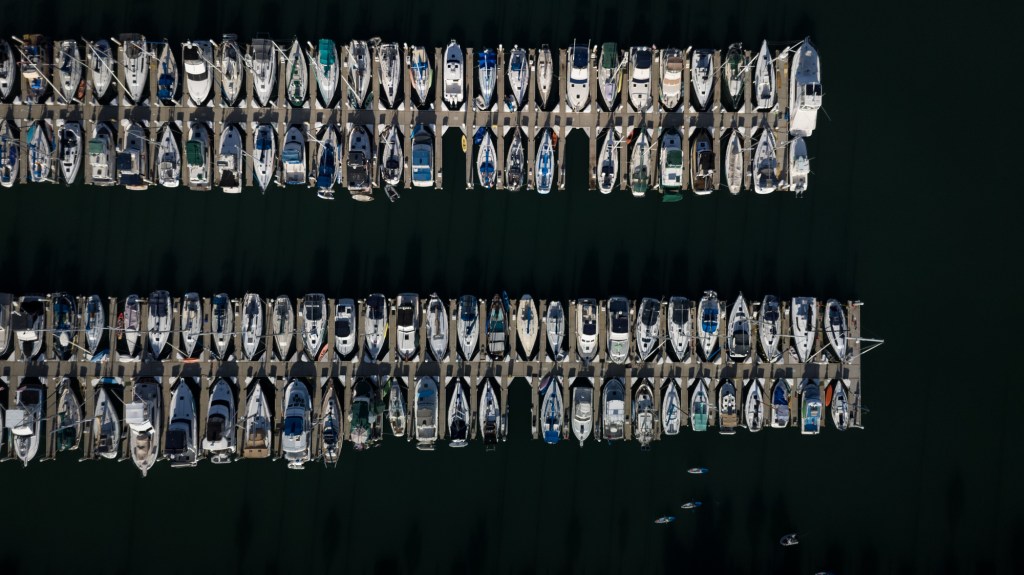
Vessels docked at the harbor’s roughly 900 slips are inspected at least every three years, Ravitch said. Boats with people living on board are inspected annually. The inspection includes placing a dye into toilets and holding tanks to see if any of the dye turns up in the water around the boat, indicating a leak.
“The real telltale sign is what the (Environmental Protection Agency) recognizes, a measure of fecal material in the water,” he said.
Dumping bilge water, which collects in the bottom of boats, in the marina is prohibited because it often contains grease, engine oil or fuel. Anybody who sees any sort of spill or leak in progress should call 911 and the proper authorities will be alerted, Ravitch said.
“A call to 911 will get things in motion right away,” he said. “The enforcement tools we have are numerous.”
Enforcement may begin with a warning letter and can include required participation in an education program. If offenses continue after an initial 30-day notice, the boater could be required to leave the marina.