
SF Climate Week wrapped up Sunday after nine days of events advocating for climate solutions featuring speakers such as Gov. Gavin Newsom, Mayor Daniel Lurie and, of course, former Vice President Al Gore.
I was surprised to see a workshop titled “Resilient SR 37 Program — An Innovative Approach to Coastal Resilience.” I’m the executive director of Transform, an organization advocating for California to stop highway expansion as part of our campaign for a shift to climate-friendly, people-centric transportation.
Transform campaigns against the widening of state Route 37. Construction of the proposed new lanes will plow through sensitive habitat, killing endangered species such as the salt marsh harvest mouse and the California clapper rail. In fact, just last year, the project successfully pushed a loophole through the California Legislature to ignore any harm to protected species during construction. So maybe not the best project you want to feature in Climate Week.
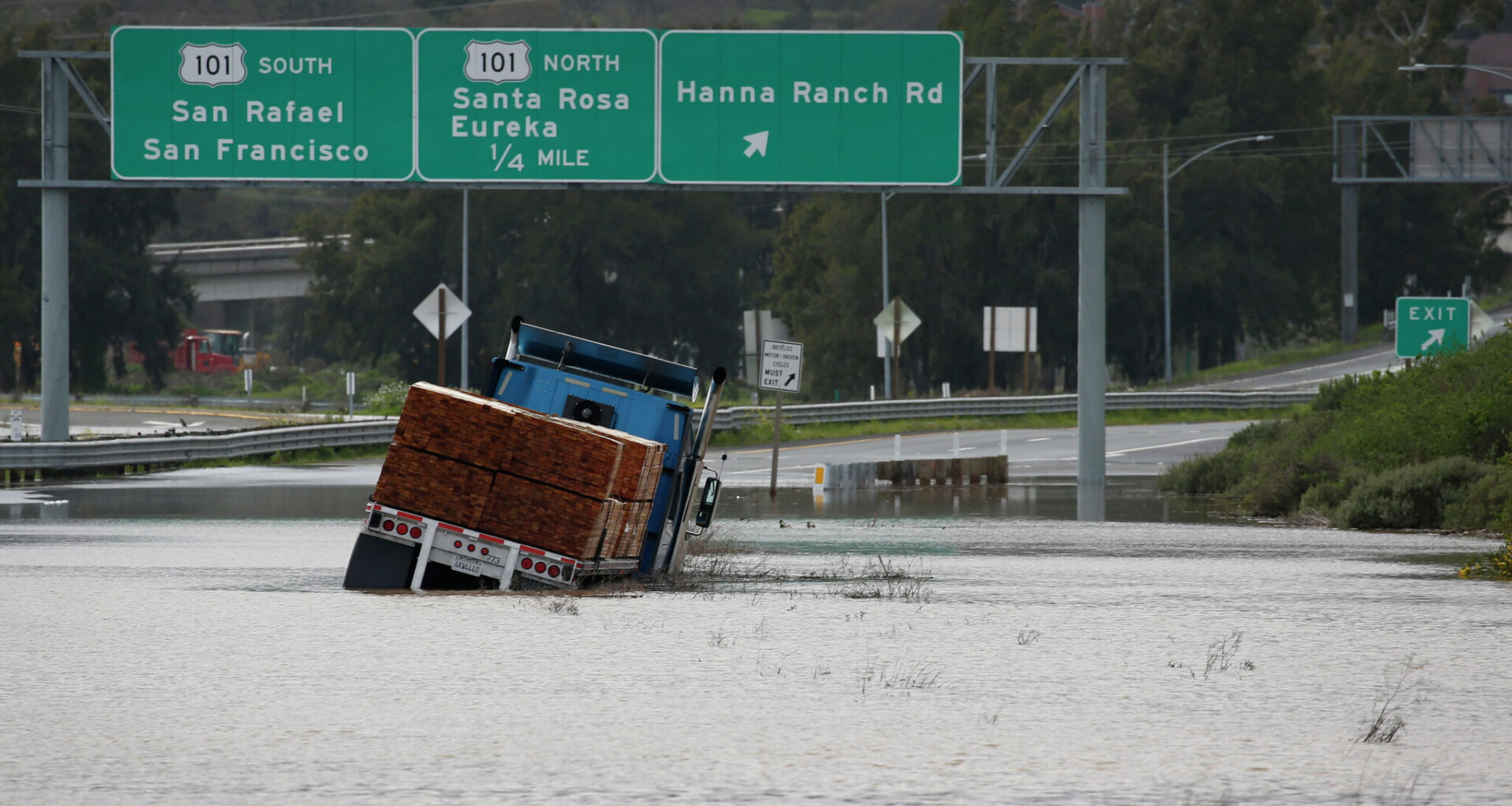
The irony is that the interim state route project, slated to cost over $500 million, will be underwater within two decades of completion, due to sea-level rise it helped cause.
In fairness, there is a long-term plan for the corridor that protects wetlands and is resilient to sea-level rise. What isn’t made clear is that the long-term project would cost over $5 billion, and the agency hasn’t said how it would fund it. So when the SF Climate Week event touts the 37 project as “the first major attempt by transportation and environmental resource/regulatory agencies in the Bay Area to align planning goals, co-develop projects and reconcile their disparate processes,” I think that’s just a thought experiment. Adding insult to injury, most of the $500 million “interim” project has to be torn down, if it’s not underwater already, to build the long-term project.
But let’s get back to the wetlands. We need wetlands restoration around the bay. They are an effective tool to mitigate tidal surges and flooding, which continue to increase in frequency because of climate change. However, we don’t need to expand a highway to protect wetlands. In fact, we could save money and the environment by not expanding state Route 37 and instead investing in real climate solutions, like affordable housing near transit.
Our pro-highway mentality has driven us to the brink of climate catastrophe. So why is SF Climate Week celebrating it?
Zack Deutsch-Gross is the executive director for Transform. Born and raised in the Bay Area, Deutsch-Gross holds a master of public policy from UC Berkeley and has worked extensively on the front lines of climate and mobility justice.