
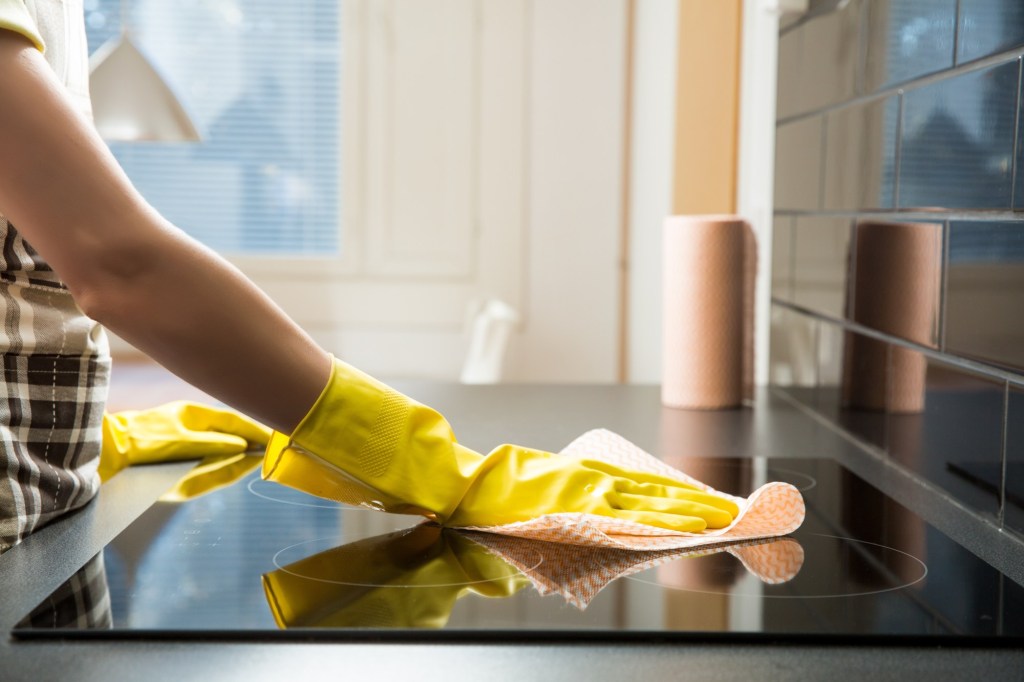
When it comes time for the annual tradition of spring cleaning, each year, new products, technology and strategy trends come along, but the objective remains the same: remove harmful substances and purify the home.
One of the trends for 2026 is a term called “house burping,” an action involving “airing out” the home by opening windows for fresh air to circulate and push out any elements that can harm the body’s respiratory system, such as carbon dioxide, humidity and mold, according to Dr. Asha V. Devereaux, a pulmonologist at Sharp Coronado Hospital who specializes in the respiratory system.
Burping the home is an American version of the German word “Lüften,” which means to “air out” or “ventilate” in spurts for several minutes, a common agreement with landlords and tenants in Germany, according to coverage in the New York Times, Today Show, Washington Post and other national media outlets trying to capture the spirit of what has also been a subject of conversation on social media platforms.
But “Lüften” also works in San Diego, and it is one of the many ways locals can keep their homes cleaner and healthier, not only during the spring-cleaning months but all year long, according to a local doctors. Here are their other suggestions for San Diego County residents.
Air quality
The air quality in San Diego County can play a role in when locals should be cleaning their homes and opening windows, according to Dr. Christine James, an allergist and assistant professor of medicine at UC San Diego Health.
The Asthma and Allergy Foundation of America released a report this year showing San Diego County ranks as the second-worst metropolitan area in the U.S. for people who suffer from tree, grass and weed pollen allergies.
James said if the county has a strong pollen count or if Santa Ana winds are high on a particular day, windows should remain closed to not allow particulates that can affect our respiratory system to enter the home.
“And then, of course, during our wildfire seasons, we have to be more cognizant of those Air Quality Index days and especially when the air quality is not great, you want to make sure that you’re not bringing smoke into the home,” James said.
Where locals reside in the county also plays a factor in air quality, Devereaux said.
“So many people with allergies feel better when they are located near water,” Devereaux said. “The flip side is we think mountains are areas with fresh, clean and cool air, but they’re also heavily covered with grass, trees and pollens. And people may be allergic to those items and so that may not be a healthy environment for them.”
Devereaux also said residents in Imperial Beach and the South Bay should be very careful opening up their windows because of the proximity to sewage-linked bacteria and toxic chemicals in the Tijuana River, which harm the air quality.
“We’ve been advising folks to close their windows and use air purifiers, if you live in that area, because the bacterial counts are high,” Devereaux said.
People with allergies should wear protection over their eyes, mouth and hands when cleaning their home to help avoid dust particles getting into the body, Devereaux said.
Both James and Devereaux said people should look at the Air Quality Index in their neighborhood for the most accurate information on how safe the air is outside, before opening the windows.
Cleaning products
When it comes to cleaning floors, countertops and furniture in the home, James said people should use cleaning products that do not have any volatile organic compounds, which are industrial solvents such as trichloroethylene, methyl tert-butyl and chloroform, according to the U.S. Environmental Protection Agency.
“If your products have high amounts of volatile organic compounds, those can be pretty irritating, especially to the respiratory system,” James said. “It’s also recommended to open your windows when cleaning and to make sure your air filters in your home are running properly.”
Devereaux said baking soda and vinegar are great products to clean with because they are safe.
“They don’t have the toxicity of certain cleaning products,” Devereaux said. “I mean, it does have odor, but it doesn’t cause injury. Also, be careful trying to then mix baking soda or nontoxic products with bleach because that turns something that was benign into something toxic. So if you’re gonna dilute the vinegar with something, use water, and then you can mop your floors.”
For spring cleaning outside the home, Devereaux said be aware of pesticides and insecticides being used to kill pests, inspects and weeds.
“They can trigger respiratory issues as well as dermatitis or skin infections or skin irritation, so it’s important to keep that in mind,” Devereaux said. “And if you have children or pets in the home, those products can affect them, so to keep those items up and away from small people, so that accidental ingestion doesn’t occur.”
The Environmental Protection Agency lists products that meet its Safer Choice requirements for cleaning and can be found at epa.gov/saferchoice.
Cleaning and washing
James and Devereaux said there is no magic number to say how often a person should be cleaning their home since there are several factors, such as the type of flooring and window coverings. But there are minimal suggestions.
“Bed and pillow sheets should be washed in hot water at least once a week to eliminate the dust mites that people are allergic to,” Devereaux said. “If you can put covering on the pillows that are hypoallergenic, that’s a good thing, and pillows should be changed every two years.”
James said to use a vacuum with a certified HEPA filter at least once a week to clean the carpet.
For dusting, James said to use microfiber clothes that trap dust and do not just spread it around like a paper towel would.
Devereaux also said homeowners and renters should be cleaning other parts of their residences at least once a week to minimize dust accumulation and allergens.
Cooking
In the kitchen, people should also be aware of the air they breathe when using gas stoves, James said.
“They can produce nitrogen dioxide, which can be harmful to our health,” James said. “So we will tell patients, if they do have a gas stove, to make sure that if they have a hood over their stove to run that vent. And then also, it is helpful to keep your windows open 15 to 30 minutes after you’re done cooking. Getting that cross ventilation is really important as well.”