
California’s ever-growing fleet of driverless taxis will now be held accountable to the same traffic rules as human motorists, the state’s Department of Motor Vehicles announced Tuesday.
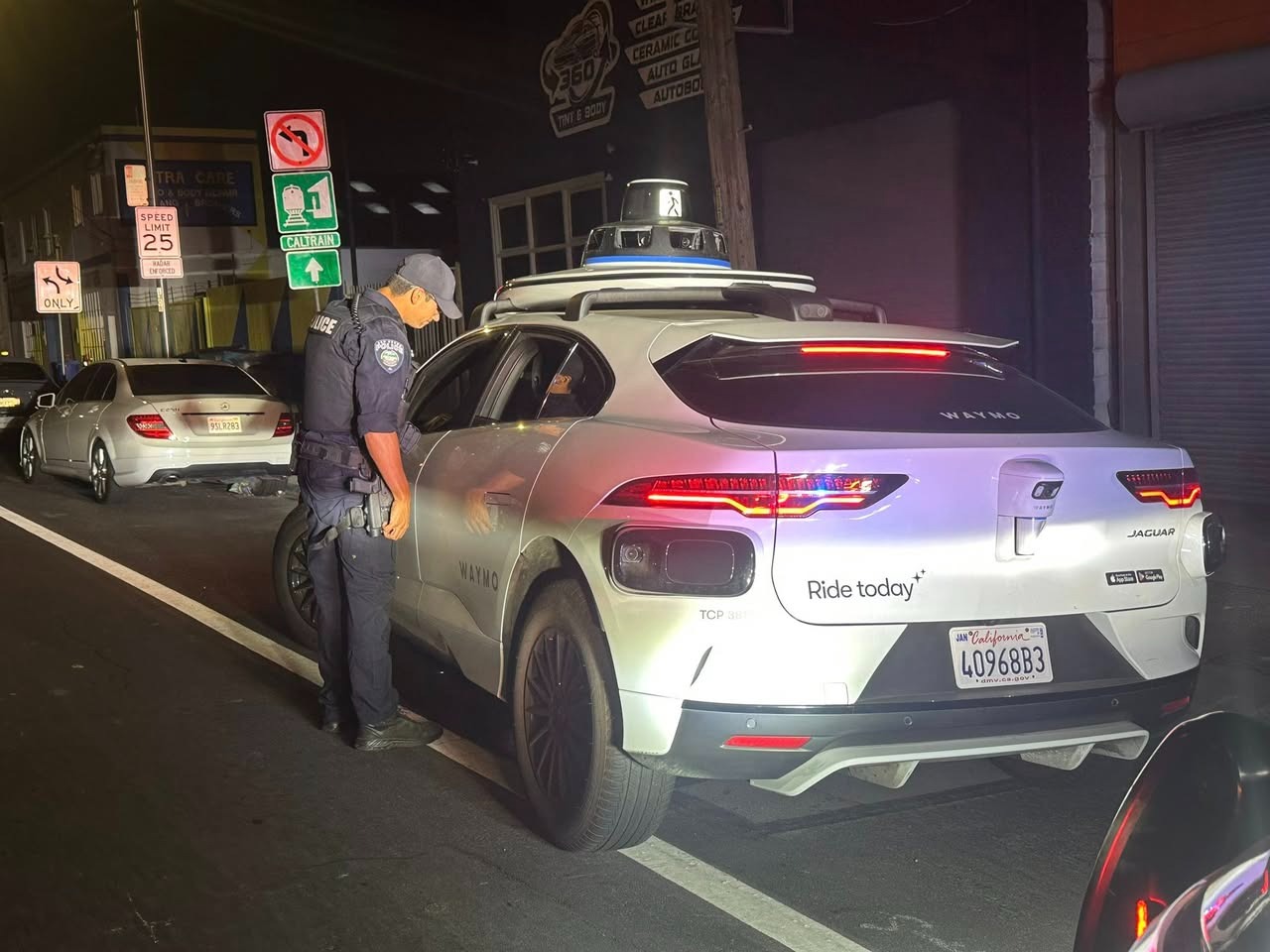
Before now, the damage to driverless car companies when their vehicles ran afoul of traffic laws has largely been reputational. When a San Bruno police officer pulled over a Waymo robotaxis after it made an illegal U-turn in September, his hands were tied: “our citation books don’t have a box for ‘robot,’” the department later explained.
But under a slate of new autonomous vehicle rules, which the DMV said were “the most comprehensive” in the country, police will be able to ticket the companies that own autonomous vehicles if their cars commit traffic violations. Manufacturers can also face penalties if their cars drive through the scenes of emergencies.
“California continues to lead the nation in the development and adoption of AV technology, and these updated regulations further demonstrate the state’s commitment to public safety,” DMV Director Steve Gordon said in a statement. “These updates support the growth of the AV industry by enhancing public safety and transparency while adding additional accountability for AV manufacturers.”
After the San Bruno incident last fall, the police department contacted Waymo’s parent company, Alphabet, but was unable to write a formal citation. The new rule would change that, allowing officers to issue a “Notice of AV Noncompliance.”
The DMV also claimed the authority to set operational restrictions on fleet size, location, car speed and weather restrictions “when necessary for public safety.” That rule could help avoid a repeat of the chaos when Waymo robotaxis stalled almost 1,600 times during widespread San Francisco blackouts last December, unable to cross intersections without working stoplights.
Under the new rules, local emergency response officials can also set “emergency geofencing directives,” requiring driverless cars to leave specified areas within two minutes, clearing the way for emergency personnel. Driverless car companies must also respond to first responder calls within 30 seconds, the DMV said, with companies that break these rules subject to permit restrictions or suspension.
The rules also open a new avenue for driverless trucks on California roads, allowing manufacturers to apply for permits to test heavy-duty vehicles.