
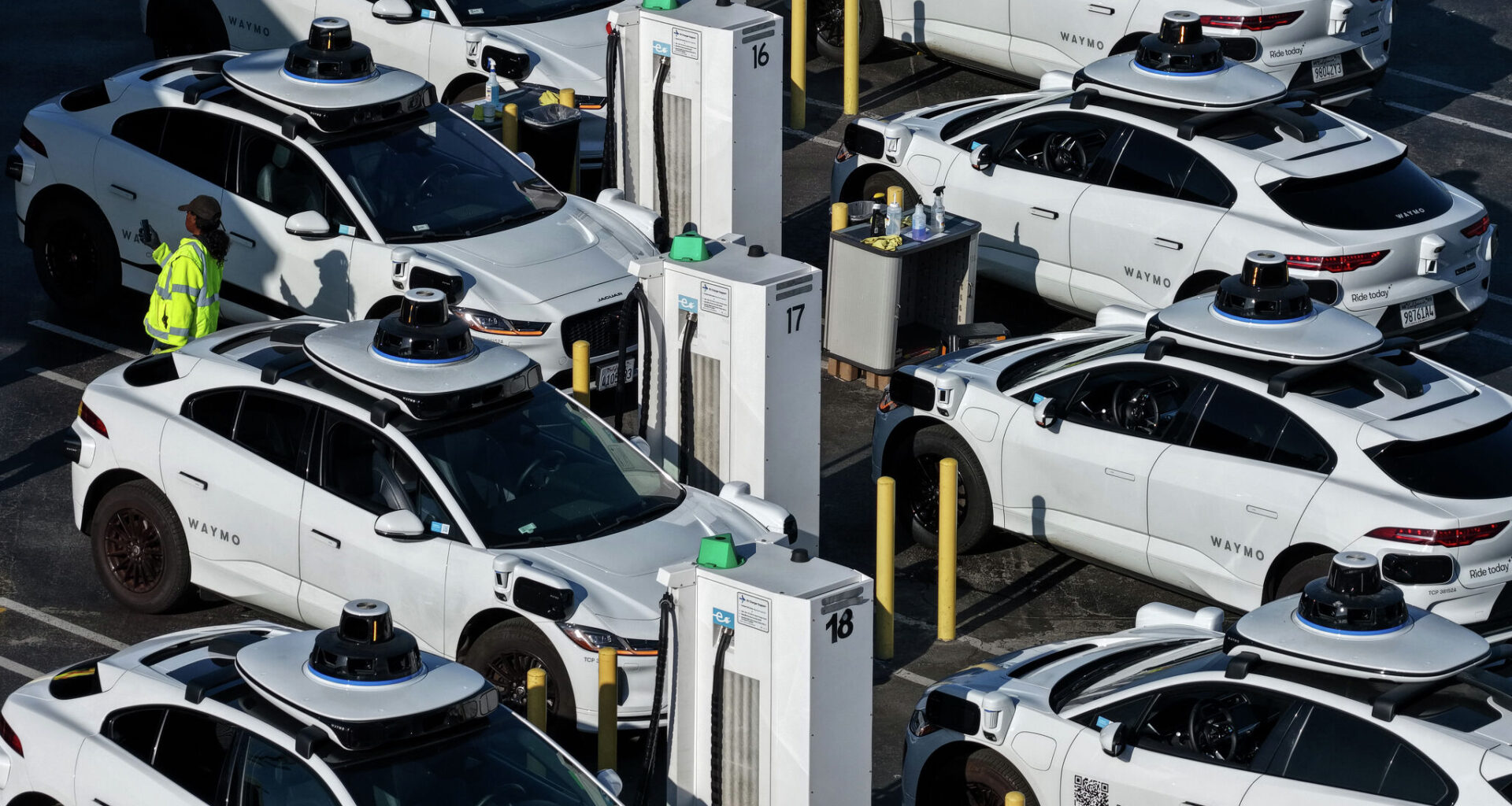
The DMV this week announced a process to formally ticket autonomous vehicle companies, including Waymo, for traffic violations under sweeping new rules adopted by California regulators.
In the event that a self-driving vehicle breaks traffic laws, law enforcement agencies can issue notices of noncompliance starting July 1, 2026.
“When a notice is issued, DMV will investigate the matter and determine what remediation, if any, is required,” DMV spokesperson Jonathan Groveman told SFGATE in an email. “If the manufacturer is unable to remediate the issue, the Department may restrict, suspend, or revoke the manufacturer’s operating permit.”
The new enforcement process is part of a broader overhaul of the state’s autonomous vehicle framework that expands both oversight and industry access.
“California continues to lead the nation in the development and adoption of AV technology, and these updated regulations further demonstrate the state’s commitment to public safety,” DMV Director Steve Gordon said in a statement announcing the new rules. “These updates support the growth of the AV industry by enhancing public safety and transparency while adding additional accountability for AV manufacturers.”
Under the updated rules, AV companies must move through a staged permitting process, beginning with testing that includes a human safety driver and advancing to fully driverless before applying to deploy commercially. Regulators now require companies to log tens of thousands of miles in testing — 50,000 miles for passenger vehicles and 500,000 miles for heavier-duty systems — and submit detailed safety cases evaluating their vehicles.
Regulators also expanded what companies must report to the state, requiring disclosures on system failures, sudden stops and other safety-related events, along with more detailed collision data and total miles driven.
The changes give first responders and local officials more direct control over how autonomous vehicles behave during emergencies. Companies must maintain two-way communication systems capable of responding within 30 seconds and ensure vehicles can be overridden manually when needed.
In active incidents, emergency personnel can force AVs to clear an area within minutes using digital geofencing orders. Vehicles that fail to comply could face permit restrictions or suspension.