
Split in California Legislature on newly-proposed changes to the cap-and-invest program, a significant part of the state’s transition to clean energy
SACRAMENTO, Calif. — California legislators are increasingly divided over how to balance climate policy with rising fuel costs, as debates intensify over changes to a major clean energy program.
State energy leaders are considering amendments to California’s cap-and-invest program, which was recently extended through 2045 by the governor and Legislature. The program allows polluters to buy credits, known as allowances, to continue operating, while a chunk of the revenue is returned to consumers through rebates.
“We all want clean energy. We all want long-term stability,” said state Senator Suzette Martinez Valladares, a Republican from Santa Clarita. “But families are hurting right now. They’re hurting to pay for gas, they’re hurting to pay for groceries.”
Valladares said increasing in-state drilling and refining would help make California energy independent and ease costs for residents. She and the bipartisan Problem Solvers Caucus recently sent a letter to state energy leaders raising concerns about the uncertain future of the state’s fuel supply.
“And what I understand my colleagues are asking for… is pretty much asking to stay the course,” Valladares said, of fellow legislators continuing to push for the state’s current climate agenda. “And the course we’re on is not working when it comes to affordability for California families.”
State Senator Henry Stern, a Democrat from Los Angeles, is of the mindset that energy independence should come from accelerating the transition to clean energy and reducing reliance on foreign oil imports.
“This is about foreign wars and what ships decide to do, do they take a turn and go back to Korea or China to sell that gasoline or come to our ports, so I just want us as independent from that as possible,” Stern said.
Stern and more than 20 other lawmakers also sent a letter to state energy leaders arguing that “speeding progress toward the state’s 2030 emissions target” — 40% below 1990 levels — would “provide lasting relief for the pain at the pump.”
“The Problem Solvers aren’t wrong to be raising the alarm about all these issues,” Stern said, acknowledging the differing beliefs of his colleagues.
Despite their differences, lawmakers broadly agree on the goal of energy independence, particularly amid global uncertainty such as the war in Iran. The divide lies in how to achieve it.
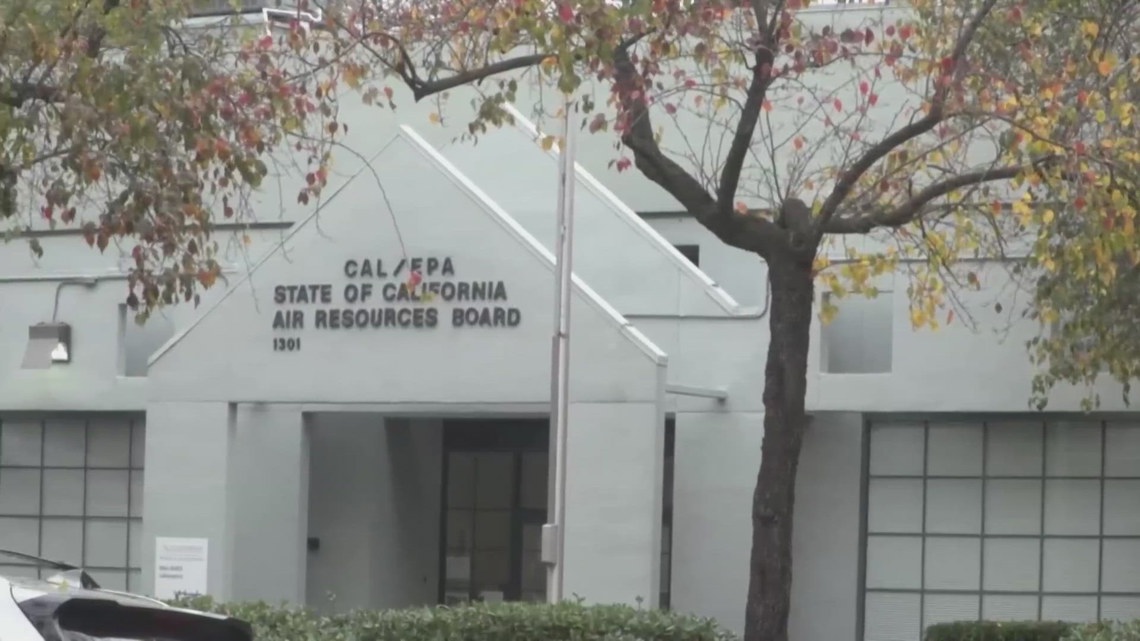
Driving the debate are proposed amendments from the California Air Resources Board to the cap-and-invest program. Earlier proposals in January included reducing the number of pollution permits, a move that would likely increase costs for industry.
The proposal sparked strong backlash from California’s remaining refineries, with multiple companies threatening to leave the state.
“Cost goes up for industry, and cost goes up for working people,” Valladares said, on why she opposed the amendments.
In response, the board revised its proposal. About 118 million permits that were set to be eliminated would now instead be placed into a reserve fund. Businesses could access those permits if they invest in efforts to reduce emissions.
“We must support the ability to do business in California while still delivering statutorily required emissions reductions,” said Rajinder Sahota of the California Air Resources Board, in a media briefing explaining the updated changes.
Stern said he supports the general framework of the revised proposal.
“Hey, if you’re making the investments, we’ll be there to match you to decarbonize,” Stern said. “We’re not going to let this happen elsewhere. We want the investment in this state. So, I actually think the bones of the deal are good.”
Valladares stated she and the Problem Solvers Caucus applauded the new amendments for taking a step in the right direction.
Still, concerns remain — especially from environmental advocacy groups — that the updated changes could lead to prolonged reliance on fossil fuels and jeopardize the state’s goals of cutting emissions by 2030 and reaching carbon neutrality by 2045.
“I just worry if we change the rules of the game right in the middle of it, that that’s going to throw a lot of people off,” Stern said when asked why he wouldn’t support flexibility on the timeline of those goals.
Western States Petroleum Association, a Sacramento-based lobbying group for the oil and gas industry, said in response to the newly proposed amendments, “It is clear that in-state refining capacity is more important than ever to California’s economy. Regulations that last for just four years do little to provide the certainty refiners need to plan for the future and justify continued investments in this state.”
WSPA, referring to the timeline set by CARB in its new plan. The agency declined to set a concrete plan past 2030 — for now — acknowledging market conditions change swiftly and in real time.
It’s flexibility other Democratic legislators have voiced support for, including Assembly Transportation Committee Chair Lori Wilson and Majority Leader Cecilia Aguiar-Curry.
And, some Democratic lawmakers who voted just last year to renew the cap-and-invest program are now urging regulators to slow down.
In a joint letter, several Assembly Democrats warned that an energy transition moving faster than infrastructure development could create supply shortages and market instability.
These legislators now say the state may need to reconsider the timeline for its climate goals if energy costs continue rising.
“I don’t want to leave anybody behind in these goals,” Wilson said. “So if they need to be adjusted, I’m happy to have that conversation in the Legislature.”
Aguiar-Curry agreed, noting that while she’s flexible on the timeline, more conversations must be had.
The public comment period for the proposed amendments has been extended to May 4. The board is expected to formally consider the proposal May 28. And CARB Chair Lauren Sanchez will be testifying during a Senate Environmental Quality Committee hearing next week.
The outcome of the debate could shape both California’s energy future and what drivers pay at the pump.
Watch more: Break-ins, drugs, violence: Stockton church seeks action over encampment issues
ABC10: Watch, Download, Read












1
/
12