
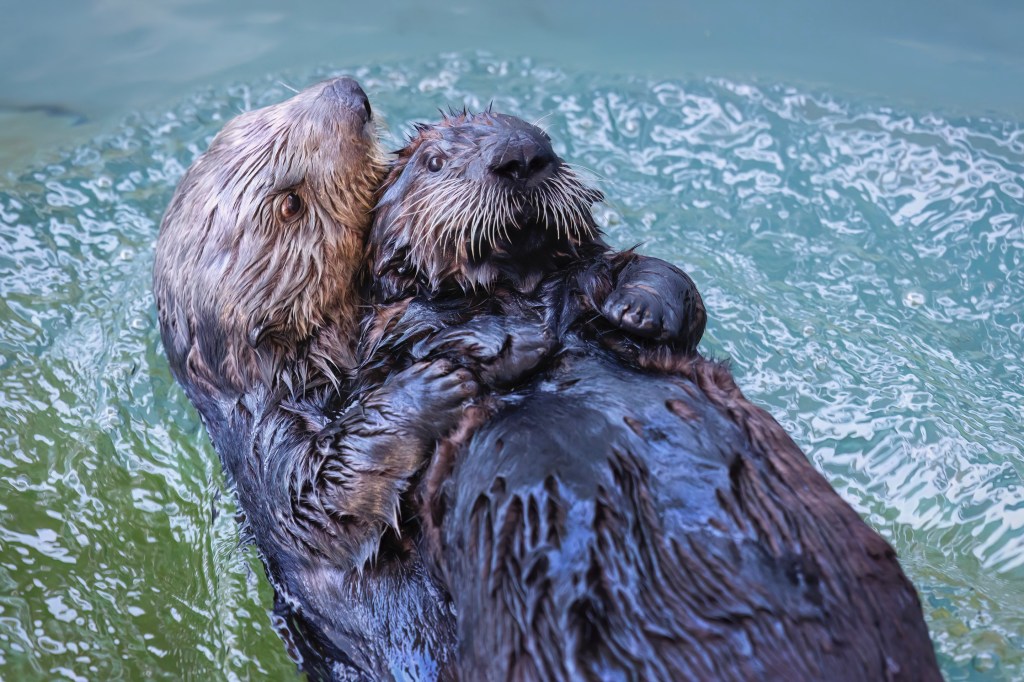
Two new sea otters, one female adult and one pup, have moved into the Aquarium of the Pacific.
The duo made their debut at the Long Beach aquarium on Friday, April 29, and the public can get a look at the newest residents in the facility’s Sea Otter Habitat.
The adult female otter, named Rey, is about 2.5 years old and came to Long Beach from a different Association of Zoos and Aquariums-accredited organization. Sunny, the pup, was found orphaned without her mother in Asilomar State Beach, in Central California, at just around 2.5 weeks old, the aquarium said.
Rey was rescued by the Monterey Bay Aquarium, where she was provided care to stabilize her health. The U.S. Fish and Wildlife Service later deemed the pup unsuitable for release back into the wild — and shortly after, she was transferred to the Aquarium of the Pacific.
Once in Long Beach, Sunny was introduced to the adult otter, Rey — who arrived in Long Beach in March — and the pair quickly bonded, according to the aquarium.
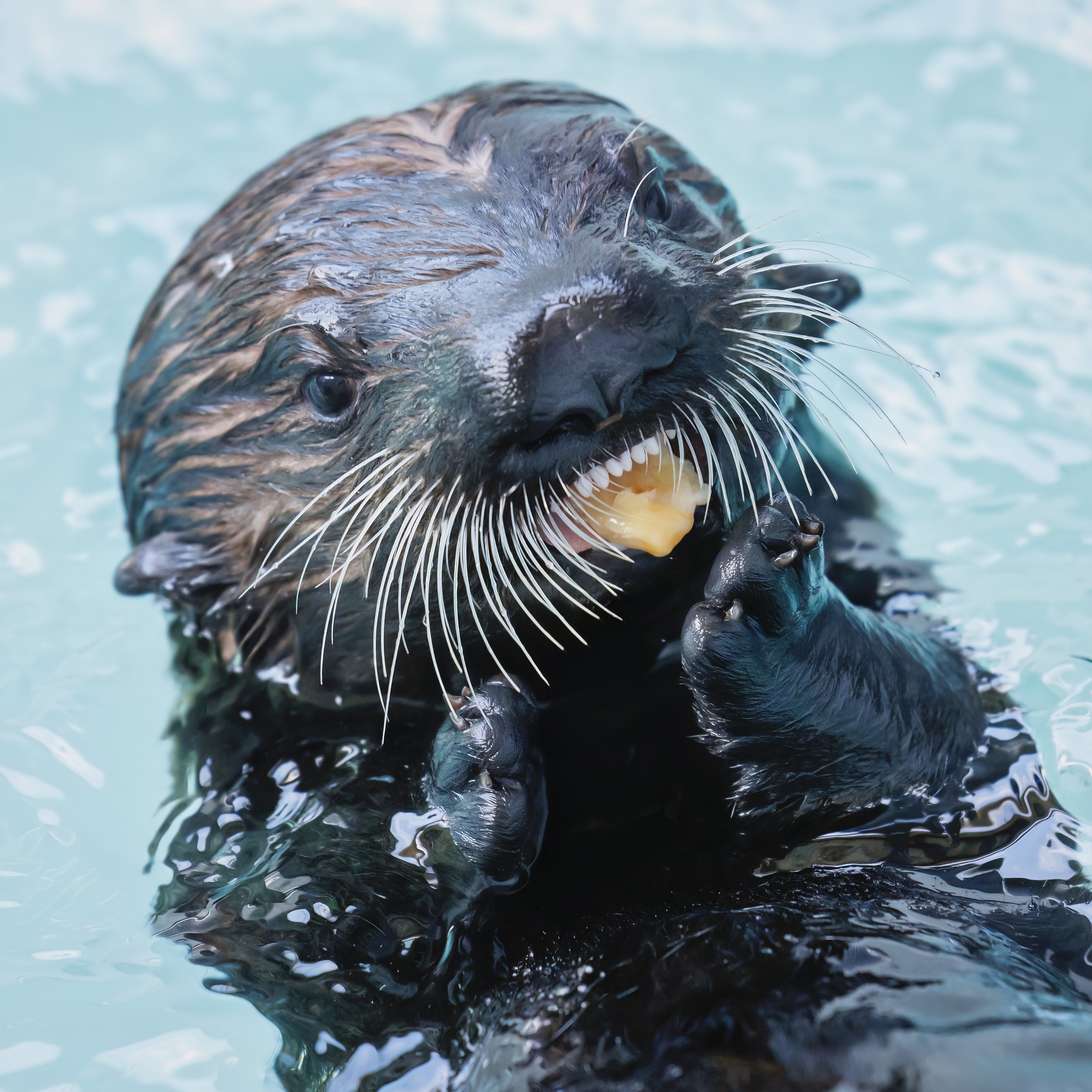
A new sea otter pup, named Sunny, arrives at Aquarium of the Pacific on Thursday, March 12, 2026 in Long Beach. (Photo courtesy Robin Riggs/Aquarium of the Pacific).
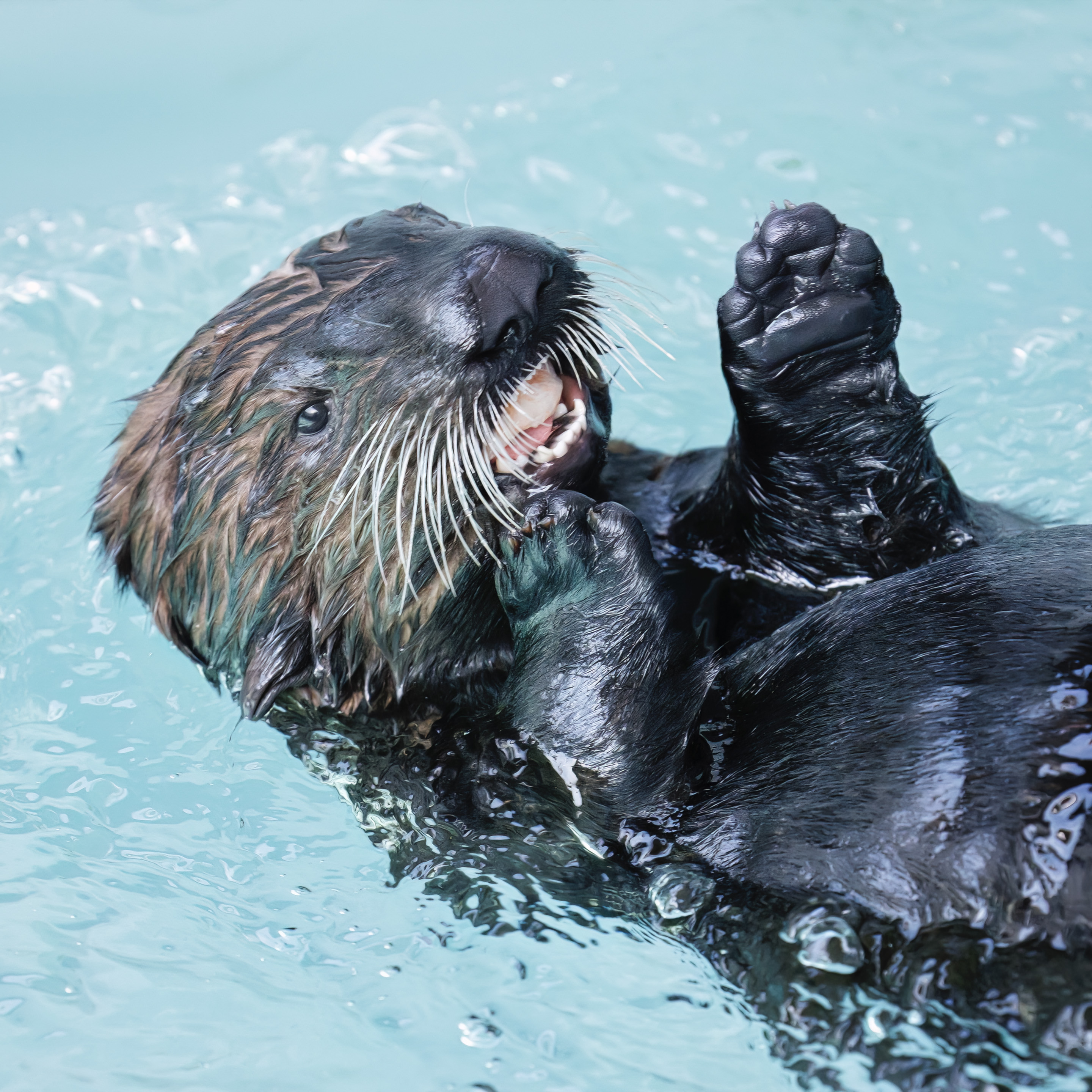
A new sea otter pup, named Sunny, arrives at Aquarium of the Pacific on Thursday, March 12, 2026 in Long Beach. (Photo courtesy Robin Riggs/Aquarium of the Pacific).
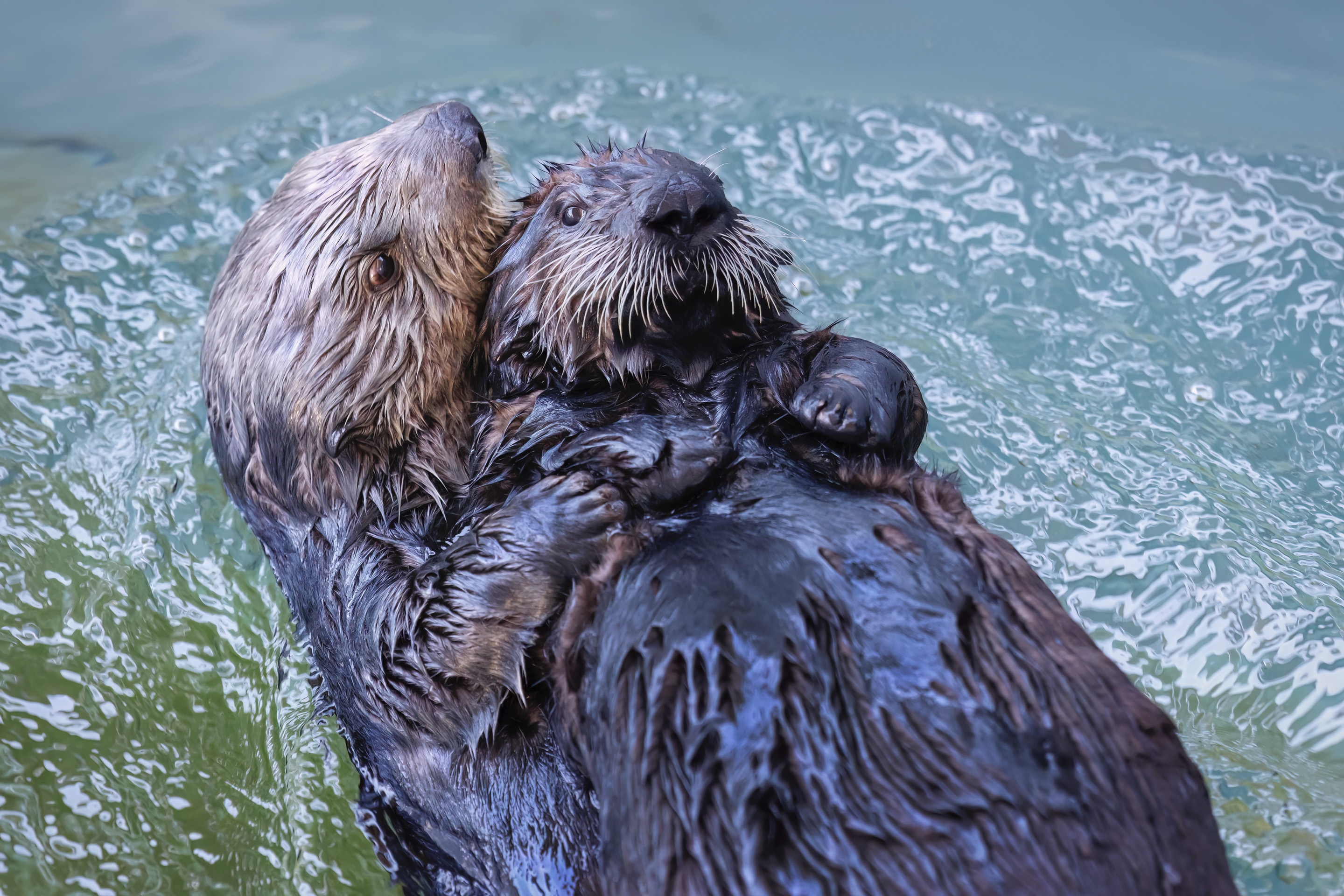
A new sea otter pup, named Sunny with adult otter Rey at Aquarium of the Pacific on Thursday, March 12, 2026 in Long Beach. (Photo courtesy Robin Riggs/Aquarium of the Pacific).
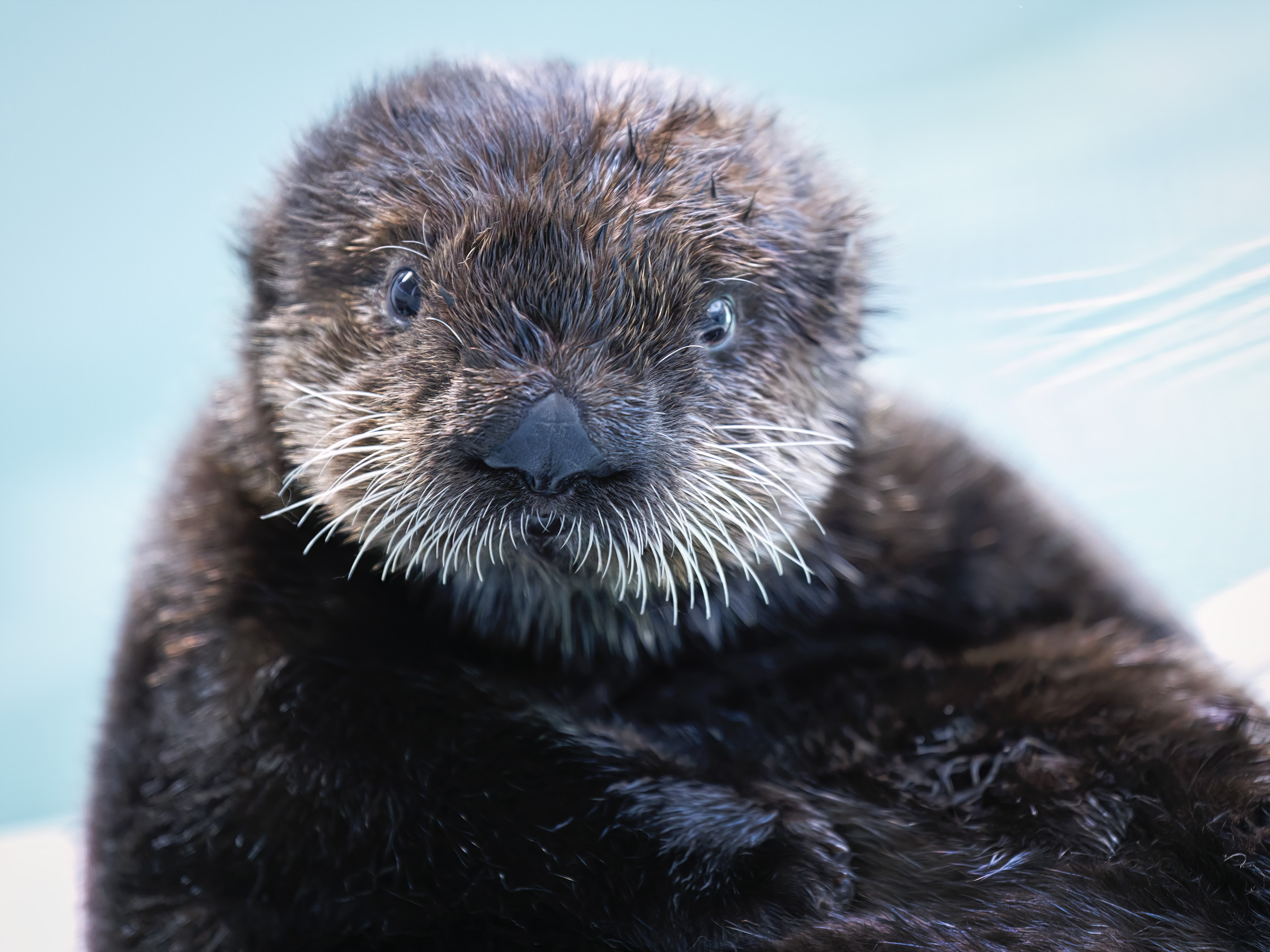
A new sea otter pup, named Sunny, arrives at Aquarium of the Pacific on Thursday, March 12, 2026 in Long Beach. (Photo courtesy Robin Riggs/Aquarium of the Pacific).

A new sea otter “Rey” arrives at Aquarium of the Pacific on Thursday, March 12, 2026 in Long Beach. (Photo courtesy of Aquarium of the Pacific).
Show Caption
1 of 5
A new sea otter pup, named Sunny, arrives at Aquarium of the Pacific on Thursday, March 12, 2026 in Long Beach. (Photo courtesy Robin Riggs/Aquarium of the Pacific).
“Our hope is that once they reach the age of maturity, both otters will become surrogate mothers,” said Megan Smylie, the aquarium’s sea otter program manager, “so that more orphaned pups have the chance to return to the ocean.”
The Aquarium of the Pacific officially signed on to the Monterey Bay Aquarium’s Sea Otter Surrogacy Program in 2020, and has taken myriad steps to increase its capacity to care for the creatures — including building a behind-the-scenes sea otter care facility.
As part of the program, the aquarium’s adult female sea otters act as surrogate mothers to rescued orphaned pups, with the hopes that the pups can eventually be released back into the wild.
Otter pups don’t inherently know how to survive in the wild, so it’s crucial that they’re paired with an adult otter that can teach them the essentials, such as foraging, socializing and how to keep themselves alive generally.
Each otter pup is different, aquarium officials said previously, but it will typically takes nine to 14 months for their surrogate mothers to teach them all the necessary skills before they’re deemed eligible to go back into the wild.
The Aquarium of the Pacific can accommodate around four rescued sea otter pups at its facility each year, and the surrogacy program is a crucial component of its efforts to bolster the population of otters in the wild after they were hunted to near extinction for their fur throughout the 19th and early 20th centuries.
By the early 1900s, there were just 50 sea otters left on the California coast, aquarium officials said previously. Now a protected species, otters have rebounded — with about 3,000 of them on the coast.
The chief issue currently, though, is the impacts of human activity on the ocean and its inhabitants, according to the Aquarium of the Pacific’s website.
“Disease-causing pathogens that originate on land can reach the marine environment through storm sewers, sewage outflow, surface run-off and polluted waterways,” the aquarium’s website says. “Once in the marine environment, sea otters can ingest these pathogens and harmful toxins by way of their food.”
Oil spills are particularly harmful to sea otters — because the oil coats their dense fur and destroys their ability to waterproof and insulate themselves.
“The otter ends up freezing to death or being poisoned from ingesting the oil while trying to clean its fur,” the aquarium’s website says. “California’s sea otters are concentrated in a relatively small area, and a major oil spill off the central coast could wipe out the entire population.”
Overfishing — which leads to food scarcity for otters — climate change and subsequent ocean acidification also pose serious threats to the health and well-being of the California otters that are left.
With the Sea Otter Surrogacy Program, however, the Aquarium of the Pacific and partner organizations are making slow, but steady, progress to help California’s otter population remain stable.
“Every sea otter back in the ocean can make a difference,” Smylie said. “It is our hope that the rescued sea otters who go through surrogacy here will play a role in continuing to expand that population.”