
California Senate Transportation Chair says high-speed rail project must happen | California Politics 360
Senator Dave Cortese, thank you so much for making time for us. Yeah, thank you. Appreciate the opportunity. I first want to just start with the California High Speed rail business plan that’s in its draft form right now, but what do you think happened there given that the board held off on voting on it this week? Uh, the draft plan, um, was really just supposed to be sunshine and as an informational hearing item. And then, of course, uh, I think as you’re alluding to, Um, we were advised, you know, just like everybody else that the board itself, the High-Speed Rail board, um, as opposed to my committee, um, was gonna take *** little bit more time, uh, to finish wrapping up and incorporating public comment into the report. Um, evidently, there’s been *** lot of public comment. It makes some sense to me. We’ll see when the final report comes out what that actually looks like, uh, because I’ll have to document all that. Uh, but I think as we’ve gotten so active with the construction in the Central Valley, um, that it’s become *** thing. I mean, people. It’s, it’s an actual project that people would comment on. Uh, and also, I don’t know if they’re incorporating comment from Los Angeles on the environmental clearance for down there between Anaheim and LA, but that could be part of it. So I only have the short answer, which is, you know, public comment has come in right up to the date of the board meeting, and I was told. And you know, I asked that the timeline be kept, but I was told that. We’d have the final report in 30 days. But it needs to be 30 days. We need to get the report. There’s no reason to have *** slippage there. There are *** couple of things that need to be further clarified in the report. I think that the OIG pointed out that it should be explained *** little bit more clearly in terms of. What their commitments have been or not, you know, in terms of station locations and things like that, that’s easy stuff to fix, right? Well, I mean, but it just, I think from the office of the Inspector General, the independent look on this project, I mean, he said that basically they have this plan to move stations, shorten track, make it *** single track, but they’re not being up front. About it in this plan and so that would allow them to skirt accountability, transparency when you all have *** job to do to ensure this project gets done. I mean, are you, do you have, do you share the concerns of the inspector general? No. And you know, I told the Inspector general during our informational hearing, I asked him, Do you have evidence. In the in the high speed rail report that they’ve committed to station locations or that they’re negotiating them and intend to negotiate them without statutory approval, any changes, there’s bills right now that are already moving that have moved out of our committee, for example, to amend the old SB 198, which is the legislation they’re talking about that restricts some of the new investments, so he knows that he was *** recipient of. *** letter from me with 7 different things, he being the inspector general, weeks ago, actually *** couple of months ago, and we asked if at all possible, get that information back to us by mid February because we want to be ready, we want to know where there needs to be statutory changes. The letter was asking him. Asking the Inspector General in these seven areas, should we be pursuing statutory changes and is it prudent to do it, and we’ve got very limited response back from him. So my request to him during our informational hearing was, we need you to be constructive. We need you to tell us not just. Oh my God, they don’t have statutory approval yet for moving stations around, but lay out specifically when that needs to be done, what the timeline is for it, so over here on our side of things, on the legislative side, we can make sure that we have. Endorsement and direction for doing those things as well as just the timeline, but the whole point, I mean, I think the whole point of this plan is for the high speed rail to essentially get funding or some sort of commitment from the legislature and governor in the upcoming year as it tries to get this project moving forward, but I mean this plan relies on You know, as has been flagged in your committee, significant law changes, significant project changes. I mean, is this plan actually realistic given the public’s temperature just on the project itself right now? Oh, it has to be realistic. I mean, we have, you know, miles of construction, completed. Like it has to happen or the plan itself should be realistic. The project has to happen. The project has to be completed. I mean, it’s, you know, there’s significant construction activity that’s already been completed and there’s thousands of jobs. There’s people out there working right now. I don’t know if you’ve had *** chance to go out and look at the project, but. There’s in, in one particular location outside Visalia, there’s 1.5 mile of viaduct already built, you know, all that, everything’s done. It’s rail that’s, you know, above ground, above grade. Um, Nobody’s gonna walk away from that and just leave that there as if it’s, you know, some ancient monument or something like that. It’s, you know, we are way too far, way too deep in the water, and have made, you know, commitments to those local communities and come in and Um, acquired property and, and, and done construction to, to turn around. It would be like turning around halfway through *** highway project, for example. You just don’t do that. Do we need to continue, besides the cap and invest commitment that we made last year, last session of *** billion dollars per year, um, do we need to make further commitments. From the state coffers, probably. Uh, the biggest issue that we need to accomplish now is the economic development side of this project, which hasn’t, it just wasn’t furthered. I got here 515, *** little less than 5.5 years ago. And nobody in all the years that this project has been underway had put together. Private partnerships, leases, investments in the mega malls that go over the stations. Nobody until just recently has engaged the local governments, for example, Bakersfield, Fresno, Merced, and everybody in between about how their general plans are going to be built out, how they are going to benefit from high-speed rail, how they’re going to integrate. Those economic development opportunities with developers in their areas, it’s, it’s actually kind of strange that that hasn’t happened yet. I’m more concerned about that than I do, you know, sort of the fluctuating costs and inflationary costs with the train project itself that we would be this far along and not really have *** good understanding as to who our partners are going to be. You know what the design in the commercial and residential real estate is going to look like for *** half *** mile on each side of of this rail for 400 miles from Los Angeles to San Francisco. That information is just not available anywhere yet. And, and it seems like people get that now. Hey, look, if we’re going to do the largest economic development project in North America, we should be looking at what kind of economic development is it going to throw off and how, how much of that. You know, can be leveraged, if you will, to, you know, to help pay for the rail itself, but circling back to the original question, the draft plan that was presented to you that, I mean, seeks to tell utilities to get out of the way, seeks to, I mean, propose to take away *** lot of local government funds, I mean, is this plan realistic to you? It’s becoming more and more realistic. I don’t have any problem with them being high-speed rail, um, you know, working with local governments to try to nail down exactly where those stations should go. I don’t think we should just accept what somebody was thinking 6 or 7 years ago, for example. I don’t know if you. Have much opportunity to get to beautiful downtown Bakersfield, but they’ve done *** lot of redevelopment around their commuter train, you know, around their Amtrak station right there in, in, it’s, it’s in the downtown and the proposal that exists up to this point is to come in and put. *** mile of high-speed rail, *** gigantic mall that is probably 2 times bigger than all of the retail in Bakersfield right now, basically tear up and supplant and make downtown Bakersfield disappear, and put *** high-speed rail station there. So the idea that the locals are saying, oh my God, this is actually coming now. This is no longer the project that’s not happening. This is *** project that’s happening. We have to start thinking about. Where should this go? Should we be protecting our downtown businesses? Should we be protecting our underground utility systems in these areas? Uh, all that, you know, makes sense to me. When you ask me the question, does this plan make sense? It’s starting to make sense and it’s starting to make me feel better, uh, that the High-Speed Rail Administration is going and having these conversations with folks and saying, where can we coexist? You know, where is the best place for us, you know, to locate. These massive improvements that we’re going to be putting in, so it’s Has positive economic impact but also is least disruptive to the economy that you have right now. Um, that’s, you know, that’s where this needs to go in terms of day to day negotiations with the locals, but And, you know, the draft plan will always be ***, *** bit of *** living document, you know, it’ll always have draft elements to it, even when they put this year’s um board vote on it and say it’s final now. It’s still going to have these moving parts that are being negotiated, and I’m satisfied that for now the negotiations are happening. The original vision of the project LA to San Francisco, this draft plan says that could cost between $126 billion to $231 billion depending on the circumstances. And there is no funding identified for that. I mean, I know Mr. Choudhury has said that there have been talks with private investors, but do you, do you actually like, do you believe that because he’s been saying that for almost *** year and this draft plan includes no private money. Yes, I think it’s really important based on what we see in the report and what Mr. Chaudhry says to us, not just in committee, but what he says to me directly, that we figure out *** way. To finance the next leg of this project, which is basically Merced to Santa Clara County, the other option is Bakersfield to Palmdale. Basically one of those two needs to happen next in order to really finalize the private, what we call P3, the private sector attraction to the project. Nobody. Think, think of some massive national or regional mall builder, you know, the DeBartolo family or somebody like that. They’re just not going to come in and sign *** contract or even leases on, you know, *** mall sitting above *** train station that we haven’t figured out the rest of the public money for yet. So it has to be today’s deal. That’s how real estate people talk and The section from Merced to Santa Clara County where there’s huge ridership opportunity and the section from Bakersfield to Palmdale where again there’s huge ridership opportunity, um, the funding is not figured out yet, so it’s *** little bit of *** chicken in the egg which comes first, and I think I think we do have our high-speed rail has very, very serious private sector investors wanting to come in and take advantage of those opportunities, but they have every right to say. Let’s see the rest of the state’s skin in the game so we know this is really going to happen and it’s going to happen in *** way that’s going to drive ridership. The beautiful thing about the Central Valley is we’re in *** greenfield development area. There’s not *** lot of obstacles other than downtown Merced and downtown Bakersfield, for example. The rest of it has been clear sailing. It’s easy to put *** mile long aqueduct or viaduct, I’m sorry, *** 1 mile long viaduct in. In the central valley because there’s not *** lot of obstacles in the way. Um The bad part about the Central Valley is there’s not *** lot of ridership. We all know that there’s going to be some. We have major universities in those cities. We have emerging populations and emerging economies, but to really take it to the next level and provide enough ridership to justify high speed rail, that won’t come from the Central Valley alone. It’s got to come from Silicon Valley, the Bay Area. It’s got to come from Los Angeles. So that’s that’s the next. That’s the next piece. We can’t do that in *** leap of faith. We’ve got to have *** plan that ties together private investment and I believe some more public investment to get at least one of those next major transit stops in *** major urban area to connect up to this line, and then people will really start coming to the table. Do you have confidence in Ian Chowdhury to get that done? I do. I do because his track record is as *** builder of these kinds of projects. Here’s *** person that came into *** state project, *** public entity project from *** private sector background. I did that some years ago as *** 45 year old younger man. I came from *** private sector development background to be *** full-time elected official, so I can kind of understand. There’s value added in having *** human being who worked for Bechtel and worked for other global builders and developers who understands the basics, literally the nuts and bolts of putting together the economic development side of this and the public-private partnerships that are going to have to satisfy. Really both sides. The governor’s office and the legislature are on one side of this, and the private sector. You know, potential developers. We’re in *** tangle with them right now, and I think he’s highly qualified, uh, you know, to guide negotiations through, but he can’t do it without money. And I, I appreciate the fact that Mr. Choudhury came to our hearing. Um, recently and said, um, I can’t, I can’t get beyond. Merced You know, with the public financing that I have right now. Even with good private sector partners, so he’s been clear about that. So it’s up to the rest of us to help him. It would have been. Plausible to have *** longer cap and invest period than 20 years that would have helped us get to Santa Clara County because the billion dollars *** year would have been amortized out for another 4 or 5 years. There’s been creative thinking like that. There hasn’t been the political consensus to do things like that yet, but there will have to be. You know, sort of this consensus on the legislative side as well as the attractiveness that we’re creating with ridership for the private sector side. I think he’s, I think he’s poised as poised as anyone to pull that off. It’s not ***, you know, it’s, it’s not mission impossible, but it’s not an easy task. He has *** tough job, which I think everyone has acknowledged because of what he’s inherited. He said in your committee that he wanted to be transparent, and I mean part of that is. Engaging with the public and you know earlier this week we tried to speak with him about the business plan. We’ve actually been trying to do an interview with Mr. Chowdhury for several months. Those are requests that have been rejected. And then he wanted to limit questions in this interview about the business plan earlier this week because he wanted to avoid talking about personal matters that put him on administrative leave and launched *** state investigation into him. Now he’s been cleared, but is that like is that appropriate behavior to you? I mean, I can’t speak for him, but I can continue to urge him and demand of him increased transparency, you know, around his work and particularly around the project, so. You know, I, I, we try in, in my own capacity to be as available and as transparent as we can be. That’s why I’m here today. We’ll continue to try to urge him to be the same way, and you know I can’t speak for him obviously or his, his schedule or how he takes interviews. But I think you probably heard me at the informational hearing that we had. Demand of him the utmost transparency and keeping commitments in terms of when they get their follow-up work done. 30 days means 30 days. It doesn’t mean 6 months, and we should be all on the same page in that respect. You know, the High Speed Rail Authority and Mr. Chaudhry are telling us that delays. You are really the Achilles’ heel of this project and it makes sense. We have inflation, we have cost increases. Every time you delay, it costs more money to try to finish the project. All the more reason for high-speed rail to be transparent and forthcoming and very much committed to their own deadlines with the legislature. So I’ll keep doing my part and hopefully. He’ll continue to respond, but so far we’re making some progress. We appreciate you giving us the time today. I just have *** couple, just two more questions for you. Just first, um, something that’s not entirely clear, and I don’t just from your perspective, what happened with the lawsuit between the state and federal government? Why did California ultimately drop it when it was trying to get those federal funds? I, I think. Mr. Chaudry partially responded to that, you know, partially explained it in, in public, in committee the other day. Um, my understanding, and of course the AG’s office was, was really the driver of whether or not to continue the lawsuit or not, had been, it had been put in the hands of, of Mr. Bonte at the AG’s office on behalf of the state and high-speed rail, of course, um, and, and our own attorneys decided, as I understand it, that Although there’s 2.5 more years with the Trump administration to go, it would probably take him longer than that to litigate the matter to conclusion, to get *** disposition on the case, and it’s *** political issue, and I think that’s what Mr. Chaudhury was saying and his staff was saying later. Look, we’ve had situations in the past where the first Trump administration where they froze or held money. Um, we were able to go back to *** friendlier administration just *** few years later and get it reappropriated or reallocated. Um, I Ordinarily I would say if you thought you could win the lawsuit and you could do it in short order, that would be the better way to go. If you’re going to end up litigating for 2 or 3 years, which sounded like what was going to happen, I think there’s *** good argument for just waiting to see if the political tides change, if we end up with *** Democratic administration and we get right back to. Uh, *** full funding agreement, you know, from the federal government, the easy way just by doing it, you know, through *** reapplication process, um. But who knows how that lawsuit would have ended up. It would have been interesting, very interesting litigation on whether the federal government was. Too far into the contractual process and the commitment process to reverse prior congressional action, which would do you wish the state, do you wish the attorney general would have just tried though? If I was attorney general, I would have kept going, but Yeah, it’s, uh, I don’t, I don’t want to second-guess the Attorney general. You know, I’m, I’m pretty zealous about high-speed rail and I’m an attorney and I’m pretty aggressive. Um. You know, so I, I, I would have liked to have seen it through, um, but I’m not going to second guess people who are paid to make those decisions. I’m paid to be *** legislator right now, not an attorney. Well, as I mean, from your legal perspective, I know this was also slightly discussed in your hearing. Are you worried at all that the legislature, that California’s government in general, could be found liable or sued for not fulfilling the voters’ wishes in 2008 for LA to San Francisco? I don’t. That question came up in committee also, and I listened. You know, attentively to the responses and even our legislative analyst who was pretty Critical of some of the aspects of this year’s Per this year’s plan. Um You indicated that there’s probably enough alignment with the original intent in the legislation so far that That would not be an issue. That would not be there’s not legal vulnerability there, I think is the way she put it. I tend to feel the same way, but you never know. I mean, obviously there’s hardly been *** referendum in the history of California that hasn’t been legally challenged at some point. And even though I think *** bare majority of the public seems to still be in favor of high-speed rail, it certainly has plenty of detractors. So all it would take is somebody to Try to test that legally and Again, You know, it would create *** lawyer’s world and we’d see what happens, but I don’t. I, I wouldn’t Be As zealous about the project myself if I thought it had those kind of vulnerabilities, if I thought there was just Uh, *** possibility of somebody just sweeping the entire project off the table. Uh, I just don’t see that happening. Senator Cortese, thank you so much for your time. OK, thank you.
California Senate Transportation Chair says high-speed rail project must happen | California Politics 360

Updated: 8:25 AM PDT May 3, 2026
As California’s High-Speed Rail Authority faces skepticism and a delayed vote on its latest business plan, the leader of the California State Senate’s Transportation Committee says the project must move forward. State Sen. Dave Cortese, D-San Jose, made the remarks in an interview on California Politics 360. The conversation with Cortese centered around issues with the latest business plan, the project’s CEO Ian Choudri and the lawsuit the state dropped against the federal government over the project. The interview comes days after the California Legislative Analyst’s office and project’s independent Inspector General warned Cortese’s Transportation Committee that the business plan lacks transparency, key cost information and violates state law. The plan assumes major changes in state law, makes significant alterations to the project including different train station locations and smaller track, and state officials said the plan isn’t clear on how those changes could impact the cost and timeline. The plan also includes contentious proposals that would give the High-Speed Rail Authority more power over utilities while building the project and absorb some funds from local governments through a tax increment financing plan (also known as TIF). Some lawmakers and local government groups have said the TIF push could be unconstitutional. When asked if he shared the concerns with the inspector general, Cortese said no. He noted there are proposals moving through the state capitol to help with the plan. When asked if the plan is realistic, Cortese said, “It has to be realistic.” “The project has to be completed,” he said, noting a viaduct in the Central Valley that has already been built. “We are way too deep in the water and have made commitments to those local communities.” The High-Speed Rail Authority projects the line between Bakersfield and Merced will cost $36 billion under the latest plan and be complete by 2033. Finishing the original vision between San Francisco to Los Angeles could cost between $126 billion to $231 billion. The plan does not identify how project leaders plan to pay for any of it in full. Project CEO Ian Choudri has been saying for more than a year the rail authority has been in talks with private companies to help with the project. The latest business plan doesn’t include private funding. When asked if he believes private investors are actually coming to help, Cortese said he believes the project has serious investors considering it. “They have every right to say, ‘let’s see the rest of the state’s skin of in the game’ to see this is really going to happen,” Cortese said. Cortese also discussed the lawsuit California dropped against the federal government about the Trump administration canceled billions in funding for the project. Cortese said if the litigation was going to last years, there’s “a good argument” to wait and see if a Democratic administration takes over the federal government in the next Presidential election in 2028. “It would have been interesting litigation, whether the federal government was too far into the commitment process to reverse prior Congressional action,” Cortese said.When asked if he wished the state would have kept going with the lawsuit Cortese said, “if I was attorney general, I would’ve kept going.” “I don’t want to second guess the attorney general,” he added. Choudri earlier this week would not agree to an interview this week. Cortese said he believes Choudri is capable of accomplishing project goals but is demanding Choudri to be more transparent. “We’ll continue to try to urge him,” Cortese said, stating he could not speak for the CEO.KCRA 3 Political Director Ashley Zavala reports in-depth coverage of top California politics and policy issues. She is also the host of “California Politics 360.” Get informed each Sunday at 8:30 a.m. on KCRA 3.
As California’s High-Speed Rail Authority faces skepticism and a delayed vote on its latest business plan, the leader of the California State Senate’s Transportation Committee says the project must move forward.
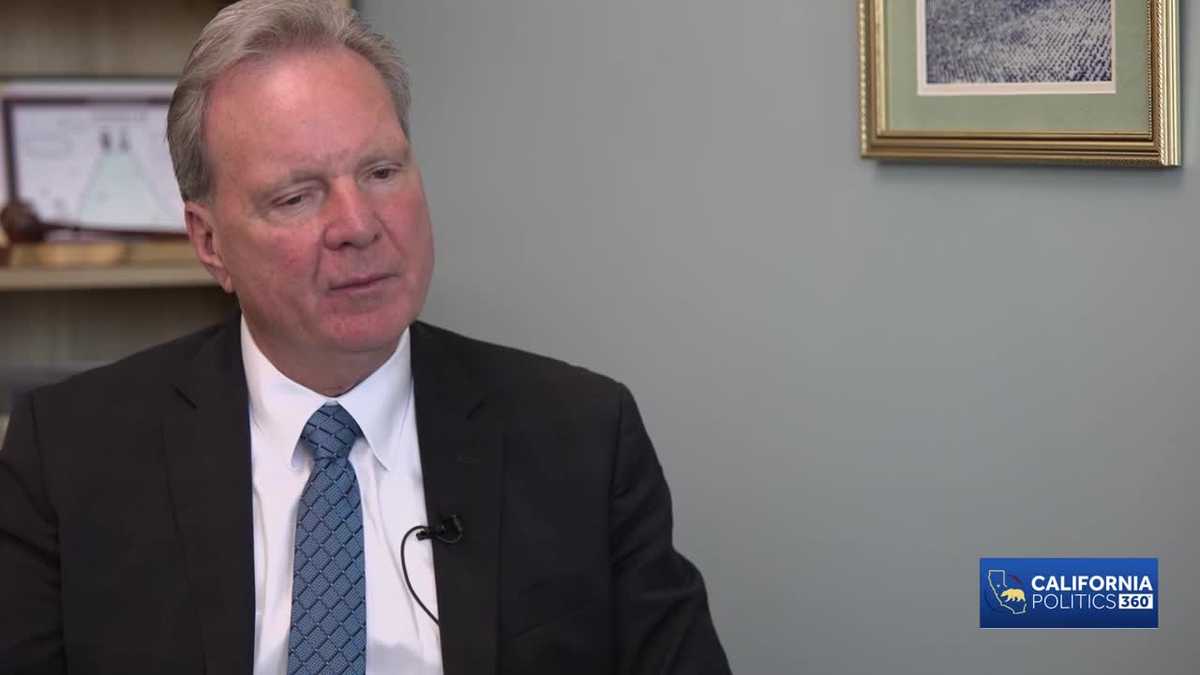
State Sen. Dave Cortese, D-San Jose, made the remarks in an interview on California Politics 360. The conversation with Cortese centered around issues with the latest business plan, the project’s CEO Ian Choudri and the lawsuit the state dropped against the federal government over the project.
The interview comes days after the California Legislative Analyst’s office and project’s independent Inspector General warned Cortese’s Transportation Committee that the business plan lacks transparency, key cost information and violates state law.
The plan assumes major changes in state law, makes significant alterations to the project including different train station locations and smaller track, and state officials said the plan isn’t clear on how those changes could impact the cost and timeline.
The plan also includes contentious proposals that would give the High-Speed Rail Authority more power over utilities while building the project and absorb some funds from local governments through a tax increment financing plan (also known as TIF). Some lawmakers and local government groups have said the TIF push could be unconstitutional.
When asked if he shared the concerns with the inspector general, Cortese said no. He noted there are proposals moving through the state capitol to help with the plan.
When asked if the plan is realistic, Cortese said, “It has to be realistic.”
“The project has to be completed,” he said, noting a viaduct in the Central Valley that has already been built. “We are way too deep in the water and have made commitments to those local communities.”
The High-Speed Rail Authority projects the line between Bakersfield and Merced will cost $36 billion under the latest plan and be complete by 2033. Finishing the original vision between San Francisco to Los Angeles could cost between $126 billion to $231 billion. The plan does not identify how project leaders plan to pay for any of it in full.
Project CEO Ian Choudri has been saying for more than a year the rail authority has been in talks with private companies to help with the project. The latest business plan doesn’t include private funding.
When asked if he believes private investors are actually coming to help, Cortese said he believes the project has serious investors considering it.
“They have every right to say, ‘let’s see the rest of the state’s skin of in the game’ to see this is really going to happen,” Cortese said.
Cortese also discussed the lawsuit California dropped against the federal government about the Trump administration canceled billions in funding for the project. Cortese said if the litigation was going to last years, there’s “a good argument” to wait and see if a Democratic administration takes over the federal government in the next Presidential election in 2028.
“It would have been interesting litigation, whether the federal government was too far into the commitment process to reverse prior Congressional action,” Cortese said.
When asked if he wished the state would have kept going with the lawsuit Cortese said, “if I was attorney general, I would’ve kept going.”
“I don’t want to second guess the attorney general,” he added.
Choudri earlier this week would not agree to an interview this week. Cortese said he believes Choudri is capable of accomplishing project goals but is demanding Choudri to be more transparent.
“We’ll continue to try to urge him,” Cortese said, stating he could not speak for the CEO.
KCRA 3 Political Director Ashley Zavala reports in-depth coverage of top California politics and policy issues. She is also the host of “California Politics 360.” Get informed each Sunday at 8:30 a.m. on KCRA 3.