
With Middle East shipments cut off, Los Angeles faces a sharper reckoning at the pump
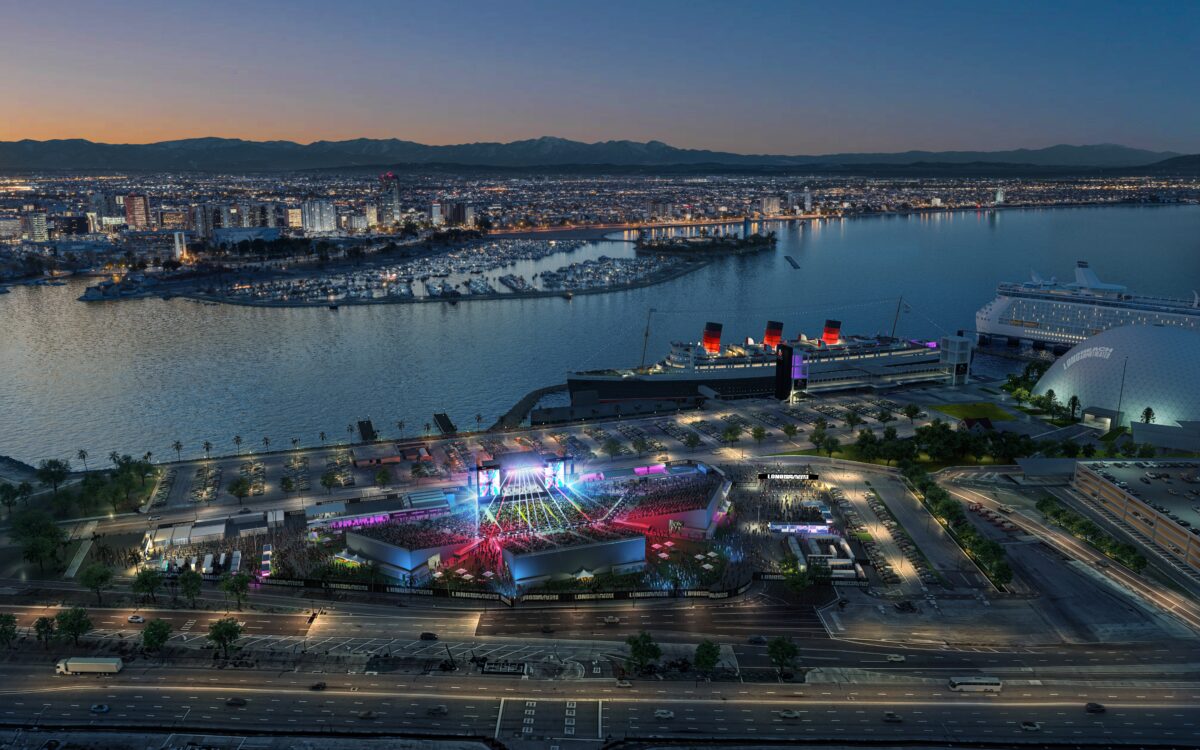
The image feels almost cinematic: a massive tanker eases into the Port of Long Beach, carrying millions of barrels of crude that have powered California’s daily life for decades. This time, though, it arrives with a sense of finality and a quiet dread about what comes next.
According to ABC7, this marks the last oil shipment from the Middle East expected to reach Southern California for the foreseeable future.
The moment reflects months of mounting pressure on global oil markets. Escalating tensions across the Middle East and disruptions along key shipping routes like the Strait of Hormuz have tightened supply into the West Coast. California has leaned on these final shipments as a buffer, holding off sharper price spikes even as costs climb.
That buffer is now gone. For a region built on movement, the shift lands with real weight.
A Supply Chain Running Out of Buffer
For weeks, California has been living on borrowed time. Tankers that departed the Persian Gulf before the outbreak of conflict in Iran continued to arrive, softening what could have been an immediate shock. That buffer is now gone.
With the Strait of Hormuz effectively disrupted, a key artery for global oil transport has tightened. Experts warn the effects will not be gradual. They will be felt quickly, and locally.
Gas prices have already surged past $6 per gallon statewide, with some stations in Los Angeles pushing even higher. What changes now is not just the price, but the predictability. “This is the last shipment of that supply that was keeping prices relatively stable,” one analyst noted.
The next phase moves beyond sticker shock. California refiners now have to replace a meaningful share of imported crude, often by turning to suppliers in Latin America or West Africa. That shift brings longer shipping routes and higher costs, which move quickly through wholesale markets and into retail pricing. The result is a market more prone to sharp, uneven spikes rather than steady increases.
Scroll to continue reading
The pressure extends across the region’s logistics network. Higher fuel costs raise the price of moving goods through the Ports of Los Angeles and Long Beach, a critical gateway for U.S. imports. Trucking, air travel and shipping all become more expensive, and those increases tend to show up quickly in everyday consumer prices.
What emerges is a more fragile system.
California relies heavily on seaborne imports and lacks the pipeline flexibility of other states, leaving it more exposed to global disruptions and supply delays. Without that steady flow from the Middle East, the cushion that once absorbed those shocks will continue to disappear.
California’s Longstanding Vulnerability
This moment is not only about geopolitics but also about structure.
California operates as something of an energy island. Unlike much of the country, it lacks pipeline connections that could easily redirect domestic oil supplies westward. Instead, it relies heavily on imports that arrive by sea, often refined to meet the state’s specific environmental standards.
That system works when global trade flows smoothly. It becomes fragile when those routes are disrupted.
The state now faces the loss of roughly 200,000 barrels per day from the Persian Gulf alone, forcing refiners to scramble for alternatives in a tight global market. And alternatives, at least in the short term, come at a premium. The immediate impact will be felt at the pump, but the ripple effects extend far beyond it.
Higher fuel costs are already pushing up prices for flights, shipping, and everyday goods that depend on petroleum-based logistics.
In Los Angeles, where commuting remains central to daily life, that pressure compounds quickly. The cost of simply getting to work, to set, to a meeting across town becomes a more deliberate calculation.
There is also a psychological shift underway. Fuel, once treated as a given, becomes visible again. Measured. Considered.
There is a temptation to frame this as a temporary disruption. Markets will adjust. New supply routes will emerge. Imports from other regions may stabilize the system in the coming weeks.
State officials have already signaled that alternative sources are being pursued, with expectations that new shipments could begin arriving as early as June.
But the larger question lingers: how often can California absorb shocks like this before the system itself needs to change?
California has spent years positioning itself at the forefront of an energy transition, investing in electric vehicles and long-term emissions goals. Yet moments like this expose the tension between that future and the present reality. The state still runs on oil, it just sources it differently.
What arrives in Long Beach this week is more than fuel. It is a marker.
A final shipment from a region that has long anchored global energy markets. A reminder of how interconnected Los Angeles is with forces far beyond its freeways. And perhaps, a signal that the next phase of the energy conversation is no longer theoretical.
It is already here, idling at the pump.