
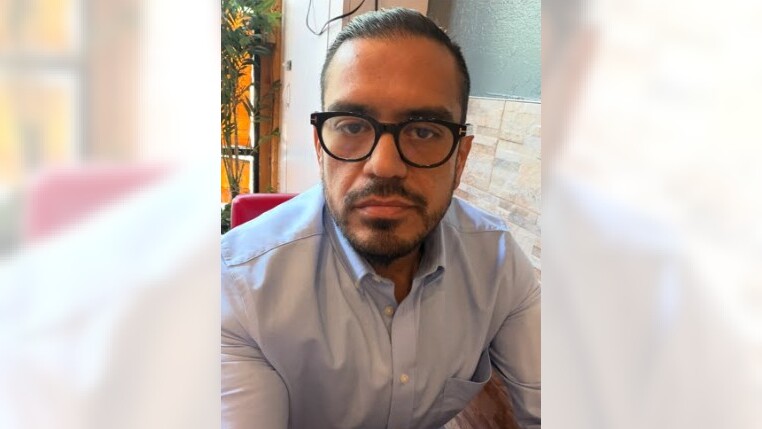
Ahead of the June primary election, the Southern California News Group compiled a list of questions to pose to the candidates who wish to represent you. You can find the full questionnaire below. Questionnaires may have been edited for spelling, grammar, length and, in some instances, to remove hate speech and offensive language.
Name: Jorge Hernandez Rosas
Current job title: Educator / Mental Health Therapist
Age: 41
Incumbent: No
Other political positions held: None
City where you reside: Los Angeles
Campaign website or social media: IG: jorgehrosas2026
What are the top issues facing your district, and what would be your top priorities if elected/reelected? (Please answer in 200 words or less.)
District 9 faces urgent and interconnected challenges that impact the daily lives of our residents. The top issues include homelessness and housing instability, public safety and community trust, economic struggles for small businesses, illegal dumping and neighborhood blight and limited access to mental health services. Many families feel overlooked, and our communities deserve immediate, results-driven action.
If elected, my top priorities will focus on restoring safety, stability and opportunity.
First, I will address homelessness through a balanced approach, expanding supportive housing, enforcing accountability and connecting individuals to mental health and substance use services. Second, I will strengthen public safety by improving emergency response times, investing in community-based policing and ensuring our neighborhoods are well-lit and clean.
I will also prioritize economic development by supporting small businesses, street vendors and local job creation. Investing in youth programs, education and workforce pathways will be critical to breaking cycles of poverty.
Finally, I will push for cleaner streets, stronger city services and transparent leadership that puts the community first.
Our district deserves leadership that listens, acts and delivers real results.
How would you approach addressing homelessness and housing affordability in Los Angeles? (Please answer in 200 words or less.)
Addressing homelessness and housing affordability in Los Angeles requires a balanced, results-driven approach that combines compassion with accountability. First, I would expand supportive and transitional housing by accelerating project timelines, cutting bureaucratic delays and ensuring funds are used efficiently. Housing must be built faster and at a lower cost.
Second, I would strengthen prevention efforts by protecting tenants through rental assistance, eviction defense programs and rent stabilization policies. Keeping people housed is more cost-effective than addressing homelessness after it occurs.
Third, I would integrate mental health and substance use services as a core part of any housing strategy. Many individuals need comprehensive care, not just shelter, to achieve long-term stability.
Accountability is essential. I will push for transparent tracking of funds, clear performance metrics and regular public reporting to ensure programs are delivering results.
Finally, I would support small landlords and incentivize affordable housing development through public-private partnerships, adaptive reuse of vacant buildings and streamlined permitting.
This crisis requires urgency, coordination and leadership that delivers real outcomes — not just promises.
What steps would you take to improve transparency and accountability at City Hall? (Please answer in 200 words or less.)
Improving transparency and accountability at City Hall starts with restoring public trust through clear, consistent and accessible governance. First, I will require regular public reporting on budgets, contracts and project outcomes so residents can see exactly how taxpayer dollars are being spent. This includes easy-to-understand online dashboards with real-time updates.
Second, I will strengthen oversight by supporting independent audits, enforcing ethics rules and ensuring strict consequences for misconduct. There must be zero tolerance for corruption or misuse of public funds.
Third, I will prioritize community engagement by holding monthly town halls, attending neighborhood council meetings and creating direct communication channels so residents can voice concerns and receive timely responses.
I will also push for open data policies and streamline public records requests to make information more accessible. Technology should be used to improve transparency, not create barriers.
Finally, I will lead by example, operating with integrity, making decisions in the public’s best interest and remaining fully accountable to the people I serve.
What role should neighborhood councils and other community groups play in shaping local policy decisions, and how would you work with them if elected? (Please answer in 200 words or less.)
Neighborhood councils and community groups should play a central role in shaping local policy. They are the closest voice to the people and understand the real needs of each neighborhood. Their input should not be symbolic, but influential in decision-making.
My approach is rooted in collaboration, equity and accountability. I will actively partner with neighborhood councils through consistent engagement, attending meetings, co-designing solutions and incorporating their feedback into policy development. Using a community-centered leadership approach, I will ensure decisions reflect the lived experiences of residents, especially those historically underrepresented.
I will implement structured feedback systems, including community forums, surveys and data-sharing, so input is both heard and acted upon. I will also support capacity-building by providing resources, training and clearer communication channels to strengthen their effectiveness.
Additionally, I will create transparent follow-up processes so community members can track how their input influences outcomes. This builds trust and ensures accountability.
My goal is to move from consultation to true partnership where neighborhood councils and community groups are co-creators of policy, not just participants.
Public safety remains a major concern for many residents. What policies would you support to improve safety while addressing community needs such as mental health and prevention services? (Please limit your answer to 200 words or less.)
Public safety must be rooted in both effective response and long-term prevention. I support a balanced approach that strengthens emergency services while addressing the root causes of crime.
First, I will work to improve response times and ensure our neighborhoods have adequate resources, including better street lighting, clean public spaces and consistent city services that deter crime. I also support community-based policing that builds trust and collaboration between residents and law enforcement.
At the same time, we must invest in prevention. I will expand access to mental health services, including mobile crisis response teams that can respond to non-violent calls with trained professionals instead of law enforcement. This ensures people receive the right care while reducing strain on police.
I will also prioritize youth programs, job training and workforce pathways to provide real opportunities and reduce cycles of poverty and violence. Supporting reentry programs for formerly incarcerated individuals is also key to reducing recidivism.
Public safety is not just about enforcement; it’s about creating stable, healthy communities. By combining safety, services and opportunity, we can build safer neighborhoods for everyone.
Communities in South Los Angeles have long raised concerns about economic investment and access to opportunity. What policies would you prioritize to support economic growth and neighborhood revitalization in the district? (Please limit your answer to 200 words or less.)
Economic growth in South Los Angeles must be intentional, equitable and community-driven. I will prioritize policies that invest directly in local residents, small businesses and workforce development.
First, I will support small businesses and street vendors by streamlining permits, reducing barriers and increasing access to grants and technical assistance. Local businesses are the backbone of our economy and should be given the tools to grow and succeed.
Second, I will focus on job creation by expanding workforce pathways, including partnerships with adult education, trade programs and local industries. Connecting residents to good-paying jobs is essential for long-term stability.
I will also advocate for responsible development that includes affordable housing, local hiring requirements and community benefit agreements to ensure investments directly serve current residents, not displace them.
Infrastructure improvements such as clean streets, improved lighting and reliable city services will help attract investment while improving quality of life.
Finally, I will push for equitable access to capital, including support for minority-owned businesses and entrepreneurs.
South Los Angeles deserves investment that uplifts the community, creates opportunity and builds a stronger, more inclusive local economy.
Henry Mantel, Los Angeles City Council District 5 candidate, 2026 primary election questionnaire
Katy Yaroslavsky, Los Angeles City Council District 5 candidate, 2026 primary election questionnaire
Barri Worth Girvan, Los Angeles City Council District 3 candidate, 2026 primary election questionnaire
Timothy Gaspar, Los Angeles City Council District 3 candidate, 2026 primary election questionnaire
William Scott, CA-26 candidate, 2026 primary election questionnaire