
The Sacramento County Grand Jury has released a seven-page report after touring five detention facilities within the county.The 2025-26 Confinement Review gives a brief overview of conditions at the Sacramento Youth Detention Facility (SYDF), Sacramento County Main Jail, Rio Cosumnes Correctional Center (RCCC), Folsom State Prison and California State Prison, Sacramento. “The Grand Jury found that each facility has its own unique challenges from aging physical infrastructure to higher demand for medical and mental care,” the report says. “However, it is noted that much effort is being made to provide a safe environment and, to a degree, rehabilitation and educational opportunities to a diverse population of youth and adults at varying levels of detention.” KCRA 3 reached out to the sheriff’s office and California Department of Corrections and Rehabilitation for comment on the report. Here were some of the takeaways for each facility. SYDFThe grand jury found that staff “took pride in their work and in the various services and opportunities for the detained youth.”Some of those services include horticulture, culinary arts, construction and carpentry. Sacramento County Main Jail The grand jury said the “outdated infrastructure of the jail is a significant issue.” “The jail was designed and constructed in the 1980s and upgrading the facility with the technology that did not exist at the time has required an adapted installation within the existing, mainly concrete building structure,” the report says. “This may affect both the most efficient use of current technology and the future use of evolving technology.”The grand jury noted the Mays Consent Decree, which was issued in 2020 as the result of a lawsuit over inmate medical and mental health care at the jail. It said that an estimated $1 billion cost to expand the jail is an “obstacle.” RCCCThe grand jury cited vocational training in automotive repair, printing, welding and metal fabrication. The report noted that RCCC “is an older facility with a variety of physical units that present challenges,” but did not get into specifics.“Old” and “New” Folsom PrisonsThe grand jury noted issues during visits to both the minimum- to medium-security “Old” Folsom Prison and the medium- to maximum-security “New” Folsom Prison, which is officially called California State Prison, Sacramento. During their visit to Folsom State Prison, there was an incident in the exercise yard area but inmates complied with orders from correctional staff. The grand jurors’ visit to California State Prison, Sacramento occurred while the prison was under a lockdown because of an “inmate-on-inmate incident in the exercise yard.” The report cited Folsom State Prison’s distinction of being where automobile license plate production takes place. Other vocational training includes welding, metalworking, computer-aided design, forest firefighting and Braille translation. “Between ‘Old’ and ‘New’ Folsom Prisons, much effort is made to provide a safe environment and, to a degree, rehabilitation for a population ranging from minimum security shorter-term inmates to those with the highest level of security needs, who may be incarcerated for many years,” the report said.See more coverage of top California stories here | Download our app | Subscribe to our morning newsletter | Find us on YouTube here and subscribe to our channel
SACRAMENTO COUNTY, Calif. —
The Sacramento County Grand Jury has released a seven-page report after touring five detention facilities within the county.
The 2025-26 Confinement Review gives a brief overview of conditions at the Sacramento Youth Detention Facility (SYDF), Sacramento County Main Jail, Rio Cosumnes Correctional Center (RCCC), Folsom State Prison and California State Prison, Sacramento.
“The Grand Jury found that each facility has its own unique challenges from aging physical infrastructure to higher demand for medical and mental care,” the report says. “However, it is noted that much effort is being made to provide a safe environment and, to a degree, rehabilitation and educational opportunities to a diverse population of youth and adults at varying levels of detention.”
KCRA 3 reached out to the sheriff’s office and California Department of Corrections and Rehabilitation for comment on the report.
Here were some of the takeaways for each facility.
SYDF
The grand jury found that staff “took pride in their work and in the various services and opportunities for the detained youth.”
Some of those services include horticulture, culinary arts, construction and carpentry.
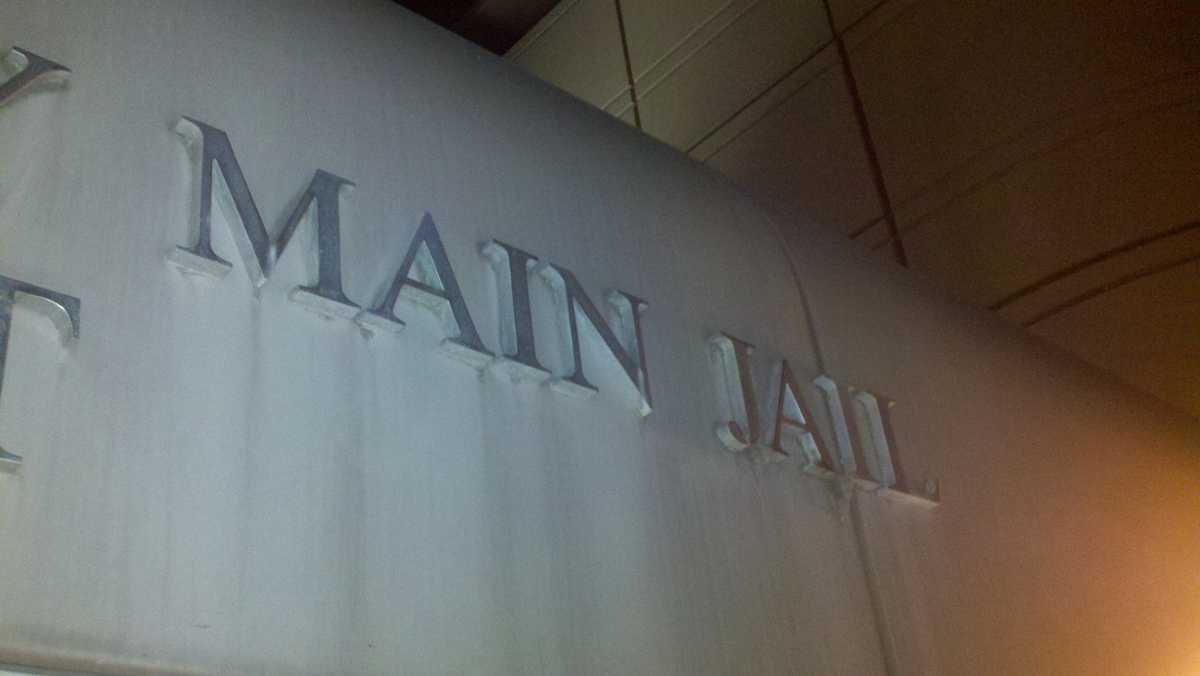
Sacramento County Main Jail
The grand jury said the “outdated infrastructure of the jail is a significant issue.”
“The jail was designed and constructed in the 1980s and upgrading the facility with the technology that did not exist at the time has required an adapted installation within the existing, mainly concrete building structure,” the report says. “This may affect both the most efficient use of current technology and the future use of evolving technology.”
The grand jury noted the Mays Consent Decree, which was issued in 2020 as the result of a lawsuit over inmate medical and mental health care at the jail.
It said that an estimated $1 billion cost to expand the jail is an “obstacle.”
RCCC
The grand jury cited vocational training in automotive repair, printing, welding and metal fabrication.
The report noted that RCCC “is an older facility with a variety of physical units that present challenges,” but did not get into specifics.
“Old” and “New” Folsom Prisons
The grand jury noted issues during visits to both the minimum- to medium-security “Old” Folsom Prison and the medium- to maximum-security “New” Folsom Prison, which is officially called California State Prison, Sacramento.
During their visit to Folsom State Prison, there was an incident in the exercise yard area but inmates complied with orders from correctional staff.
The grand jurors’ visit to California State Prison, Sacramento occurred while the prison was under a lockdown because of an “inmate-on-inmate incident in the exercise yard.”
The report cited Folsom State Prison’s distinction of being where automobile license plate production takes place. Other vocational training includes welding, metalworking, computer-aided design, forest firefighting and Braille translation.
“Between ‘Old’ and ‘New’ Folsom Prisons, much effort is made to provide a safe environment and, to a degree, rehabilitation for a population ranging from minimum security shorter-term inmates to those with the highest level of security needs, who may be incarcerated for many years,” the report said.
See more coverage of top California stories here | Download our app | Subscribe to our morning newsletter | Find us on YouTube here and subscribe to our channel