
BAKERSFIELD, Calif.(KBAK/KBFX) — A towering plume of smoke can trigger immediate questions across California: Where is the fire, what is burning, and what does it mean for the people in its path? As wildfires have become a familiar part of life in the state, many residents say it feels like every fire season is getting worse.
Firefighters and wildfire experts say that perception matches reality. Wildfires have become more intense and more extreme, according to Bakersfield Battalion Chief AJ Clark, who pointed to major incidents in recent years.
“We’re seeing fires that we’ve never seen in decades,” Clark said. “We’re talking about the Palisades incident last year. We’re talking about Paradise that happened a few years before that, Santa Rosa.”
But according to those who have spent decades studying this phenomenon, the drivers behind worsening wildfire seasons may surprise people who assume drought is the primary cause.
“Plants are the source of the fire, the fuel,” UC Riverside wildfire expert Dr. Richard Minnich said. “So the more it rains, the more it burns in the climate around here. We think somehow that drought is a necessary thing. It’s not, not really at all.”
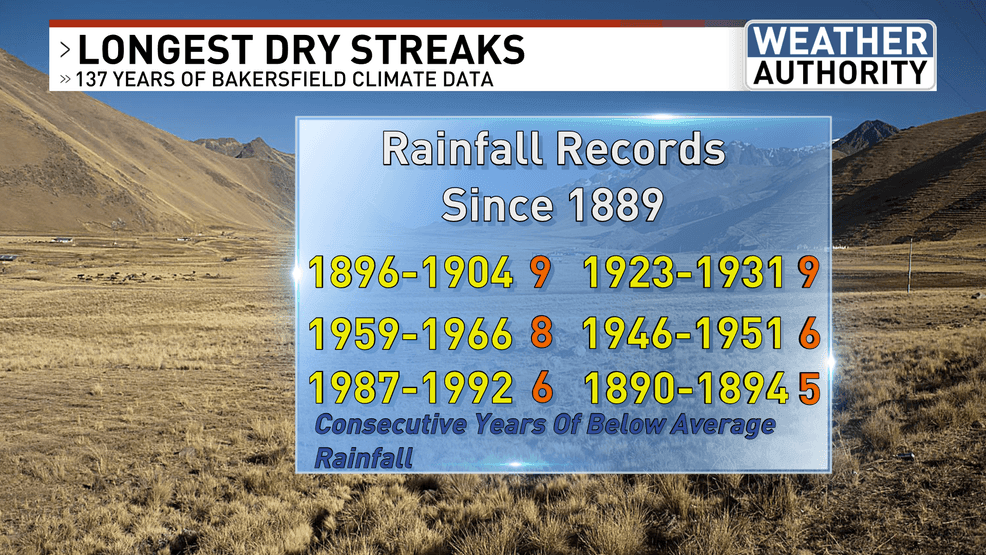
Local climate records also complicate the idea that persistent drought is becoming more common in the Bakersfield area. An analysis of 137 years of local climate data found the longest dry streaks occurred from the end of the 19th century through the first few decades of the 20th century, meaning persistent drought has become less common across the region over time, not more.
Minnich also said long-standing efforts to suppress fires can contribute to more extreme blazes by allowing vegetation to build up over decades.
“We put fires out, and the vegetation, it buys time,” Minnich said. “But the vegetation keeps growing. And it has been for a hundred years under fire control, and as a result, there is excessive energy in the forests. The forests have grown much thicker over the last hundred years.”
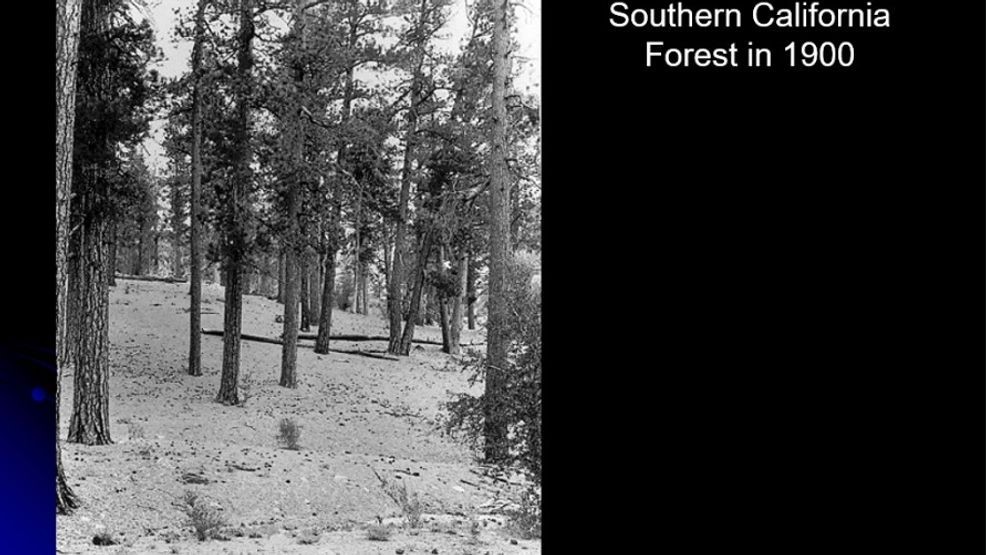
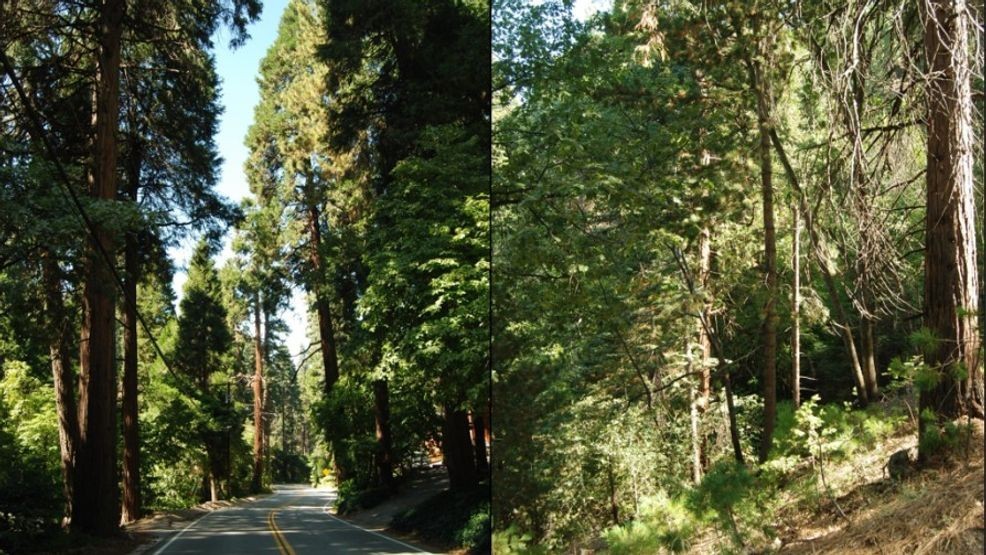
The result is that wildfire danger is closely tied to vegetation growth. A stronger wet season can increase plant growth and, in turn, create more fuel for fires later. Over time, more frequent, lower-intensity fires have been replaced by extreme megafires due to a combination of fire suppression and increasing population in high-risk areas.
Clark said development in the wildland-urban interface is also contributing to larger incidents, as fires can spread quickly where homes and brush meet.
“There are more large-scale incidents, and I think a lot of that has to do with we are building more and more into the wildland interface areas,” Clark said. “So, what may have been a small house fire here in the city, those fires are being wind-driven and spreading quickly in those urban interface areas. You have a lot more debris, you have a lot more brush.”
Minnich emphasized that, in his view, fire control policies have played a central role in today’s larger fires.
“The fires are bigger and larger,” Minnich said. “Don’t blame global warming, it’s fire control efforts over the last hundred years that’s generating this problem.”
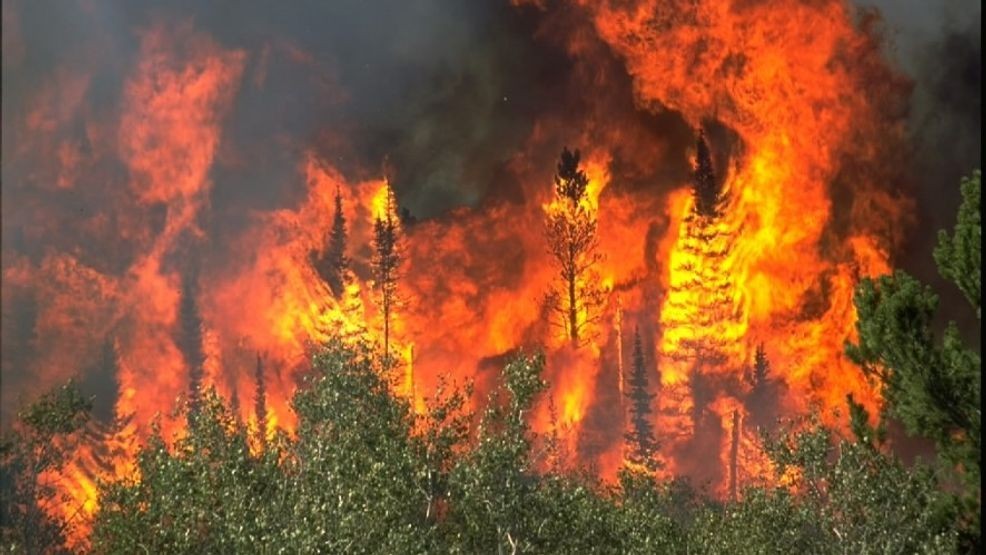
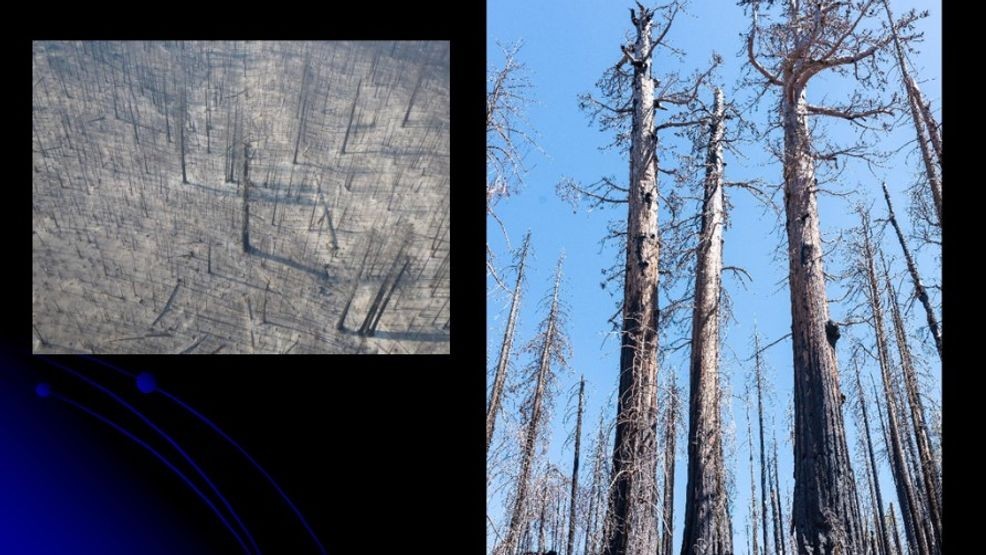
He explained that due to all of the above, trees that have survived hundreds and thousands of years in California’s past have been engulfed and destroyed in the mega fires of the last several decades, pointing to California Redwoods and Giant Sequoias. These trees are meant to survive regular, smaller-scale burns that have been common to these areas for hundreds to thousands of years previously. Now, some of them have been reduced to ash.
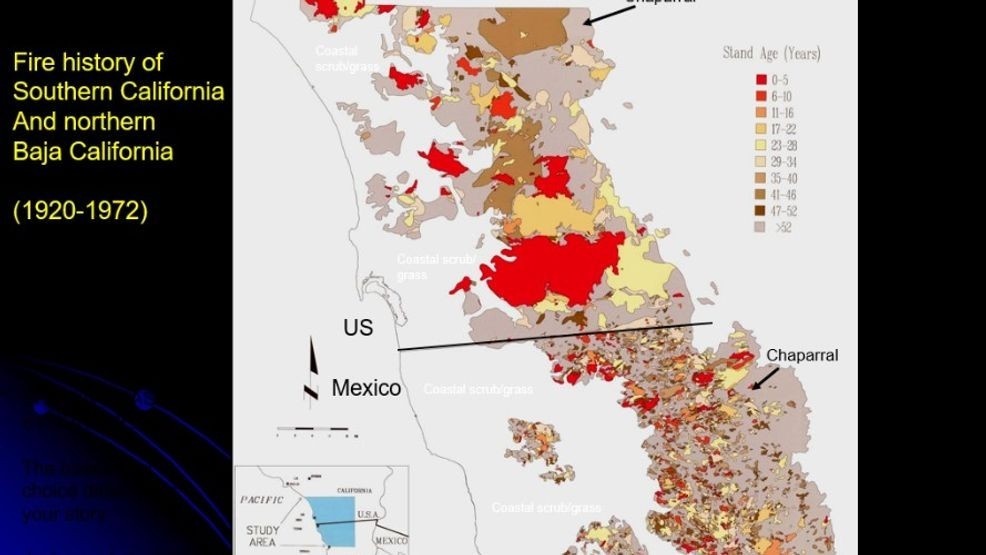
A great and simple visualization emphasizes how firefighting and fire control policy can have such a dramatic influence on the destructiveness, scale and impact of wildfires. The US/Mexico border separates two countries with vastly different policies. Southern California’s fires, the ones that get out of hand, became humongous. On the Baja side, the fire footprint was significantly smaller.
Experts and firefighters say the discussion about what is driving wildfire behavior — and what solutions are needed — is far from over, as communities across California continue to face smoke-filled skies, disrupted daily life and the threat of destructive firestorms.
Thank you to the brave firefighters and diligent researchers working day and night to protect, predict and understand.
Chief Meteorologist Ilya Neyman and Team
Eyewitness News