
The Fall Program for First Semester, or FPF, changed my life
I came to UC Berkeley as the daughter of immigrants, spending my childhood watching them navigate institutions that weren’t built for people like them. I opted in to FPF wanting something different — tight-knit bonds with professors, smaller class sizes — and I found exactly that. In my political science discussions, I talked one-on-one with my professor about world events, books I’d been reading and anything else on my mind. Where I once saw political theory as abstract, he gave me the necessary guidance to see how to apply it to the world. Even now, I talk with him weekly.
That kind of relationship can only be formed through the intimate communities in small classes — a relationship that large lecture halls doesn’t foster by design. Across the semester, my political science professor consistently encouraged me to advocate for myself, encouraging me to go to office hours, approach professors after class and guided me through how to navigate a 46,000 person research university.
That experience is what UC Berkeley is choosing to eliminate for incoming students as it sunsets FPF.
UC Berkeley is shutting down its 43-year-old program. As a result, 29 lecturers will lose their positions as a result in what would be one of the largest lecturer layoffs in UC Berkeley history, according to UC-AFT union representative Jessica Conte — a decision that campus administration failed to notify faculty members about.
The university owes them better. At minimum, their classes and positions must be transferred to the main campus.
FPF faculty are currently in separate negotiations with the campus administration over the impacts of the closure. On May 7 at 10 a.m., the University Council – American Federation of Teachers will raise the issue of the FPF closure and its impacts on faculty during its systemwide contract negotiations with the UC Office of the President as an example of what happens to lecturers when job security is taken from them. It is our responsibility as UC Berkeley students to advocate for FPF lecturers and emphasize the value they would bring to the main campus before May 7.
In campus’s “work group” report, administrators cited low opt-in rates, declining student demand and physical infrastructure limitations as reasons to shutter the program, blaming external forces rather than themselves.
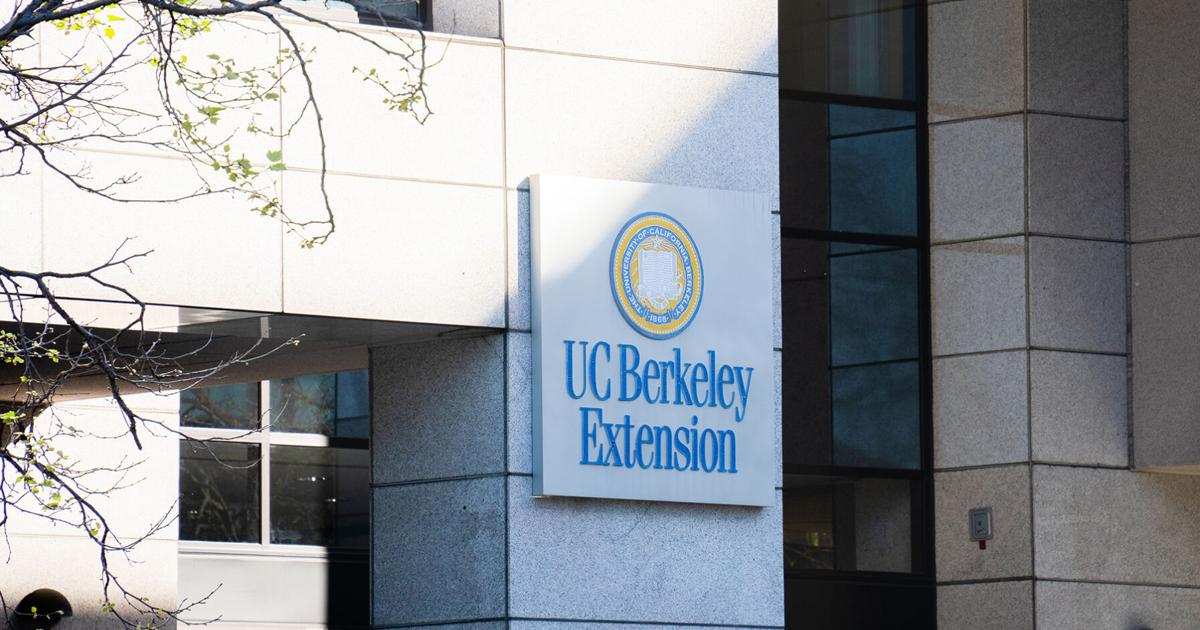
These barriers were not inevitable or essential features of FPF; they were products of administrative decisions that could have been avoided through improved programmatic design. Instead, UC Berkeley alienated lecturers and students. They began to admit students directly into the program rather than encouraging interested students to opt-in, filling FPF’s limited slots with students who were uninterested in a different type of college experience. The school cordoned the program off to a dull-gray downtown office building far from campus amenities and offered little in the way of advertising or support for the program; admissions staff even discouraged one student I spoke to from enrolling in the program.
Regardless of FPF’s fate, the lecturers who built it deserve better than what UC Berkeley is offering them.
These changes do not serve FPF students who do need a smaller transition environment – many of them first-generation college students or graduates of under-resourced high schools. While FPF was not created with the intent to uplift marginalized students, its small class sizes foster strong relationships between students and professors in a way that better transitions first-generation college students and students from low-income backgrounds.
Despite their integral role as teachers and mentors, FPF lecturers have a history of issues with UC Berkeley. Before 2024, UC-AFT did not represent FPF instructors, despite their near identical roles to main campus lecturers. Because FPF lecturers were classified as extension employees, they were denied access to healthcare, equal pay to main campus lecturers, pension protections and term credits — benefits that only union members enjoyed. They were misclassified as extension faculty keeping them outside the union contract.
After a year of arduous organizing to provide FPF lecturers with the same benefits as main campus faculty under the union contract, UC Berkeley settled the resulting unfair labor practice filing, paying over $400,000 in back pay to 52 faculty members and formally recognizing them as lecturers. Each was given a two-year appointment just before UC Berkeley announced FPF’s closure. As lecturer Devin Leigh put it, “It’s not FPF, the institution, we’re hanging on to, it’s the faculty. (Campus) has an obligation to do right by these people, because they have served its mission.”
The stakes for these lecturers are high. Under normal circumstances, lecturer seniority at UC Berkeley operates as last-in, first-out – years of teaching accumulate as “term credits” that protect faculty from layoffs and determine their path towards continuing status. FPF works differently. An entire decade of teaching at FPF does not automatically transfer to main campus credits. This means lecturers who have spent years, or even their entire career, building this program will be treated as new hires upon transferring to the main campus, stripped of their hard-earned seniority.
At the bare minimum, UC Berkeley must transfer FPF lecturers to its main campus and recognize their term credits — both as an obligation to faculty who gave years to UC Berkeley and as a practical necessity. Cutting 29 lecturers while absorbing these students means larger classes, fewer sections and a worse experience for everyone. The administration’s own data confirms Berkeley is already overenrolled. Losing these lecturers will make that worse, not better.
We students are not the ones opting out of these programs —nthe administration has opted out of serving us.
UC Berkeley must transfer FPF lecturers to the main campus, and students should make that demand directly May 7 at 10 a.m. Join the Zoom and show your support for lecturers with signs.
The FPF closure will be front and center as UC-AFT makes its case to UCOP for why lecturer job security must be protected across the UC system. Students can find the Zoom link and RSVP @studentsforfpf on Instagram. Above all else, we must protect the faculty who have built the UC system.