
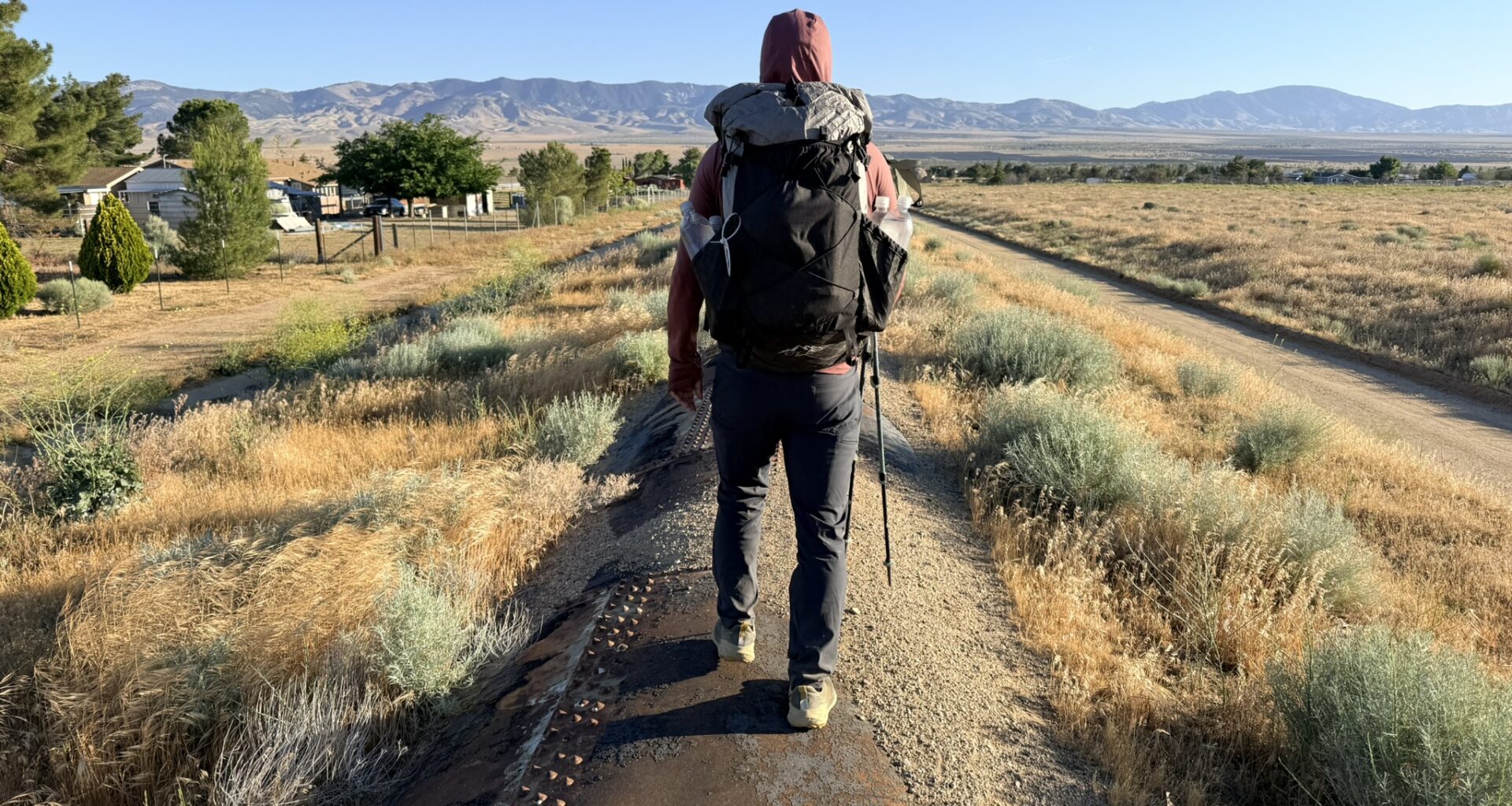
Note: I am hiking the PCT while working full-time remotely. I work Monday through Thursday from my RV, and trail run some Monday-Thursday nights and hike Friday through Sunday before returning to basecamp. It’s a balance between trail miles, logistics, and recovery—more on how it works here: https://thetrek.co/pacific-crest-trail/my-plan-to-hike-the-pct.
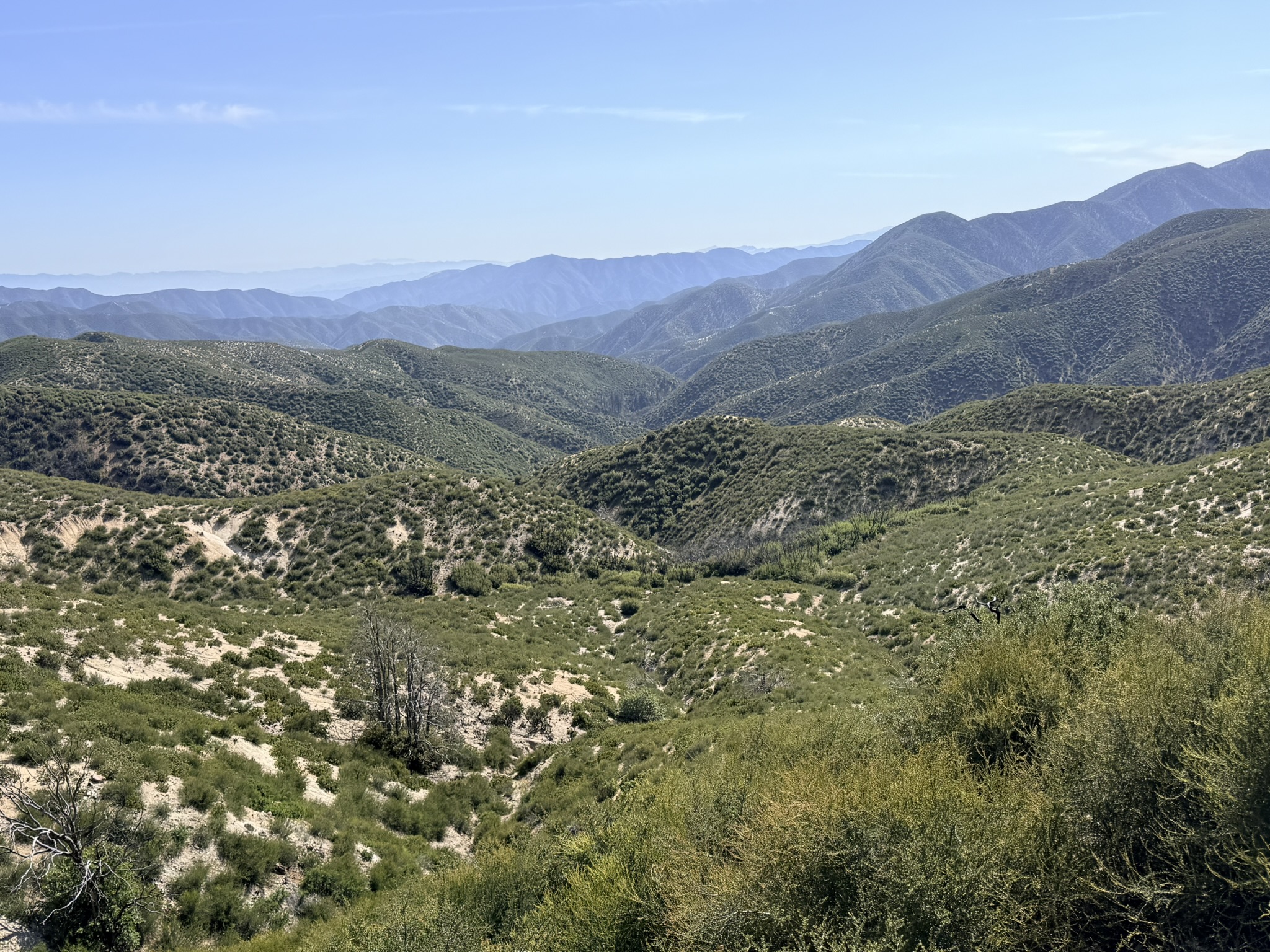 Section E forced a decision I had been avoiding.
Not about pace. Not about gear.
About comfort.
Up to this point, I had been balancing efficiency, recovery, and experience. But in this section, the gap between those choices became more obvious. And for the first time, I started accepting that I don’t always choose the harder option when an easier one is available.
Section Snapshot
Miles: 453.8 → 566.5
Start / End: Agua Dulce → Tehachapi
Conditions: Cool nights (30s), warm days, strong wind in later miles
Terrain: Rolling hills → exposed ridgelines → Mojave Desert aqueduct → wind farms
Style: Hybrid (RV support + overnight camping)
Pace: Consistent 20-mile days, limited by foot pain
RV Campgrounds: Thousand Trails Soledad Canyon, Spaceport RV Park
What Defined Section E
Section E was defined by exposure and monotony.
The terrain became less dramatic, fewer peaks, fewer major transitions, but more mentally demanding. Long, exposed stretches replaced varied terrain. The trail became more about endurance than problem-solving.
This was also where external conditions started shaping my behavior more than terrain itself.
Temperature, wind, and access dictated how and when I moved.
Mileage
Friday, April 24, 2026 — Mile 453.8 to 465.6
Saturday, April 25, 2026 — Mile 465.6 to 478.3
Sunday, April 26, 2026 – Thursday, April 30, 2026 — Zero Days (0 miles)
Friday, May 1, 2026 — Mile 478.3 to 498.2
Saturday, May 2, 2026 — Mile 498.2 to 517.6
Sunday, May 3, 2026 — Mile 517.6 to 535.1
Monday, May 4, 2026 — Mile 535.1 to 543.8
Tuesday, May 5, 2026 — Mile 543.8 to 558.5
Wednesday, May 6, 2026 — Mile 558.5 to 566.5
Choosing Comfort (Again)
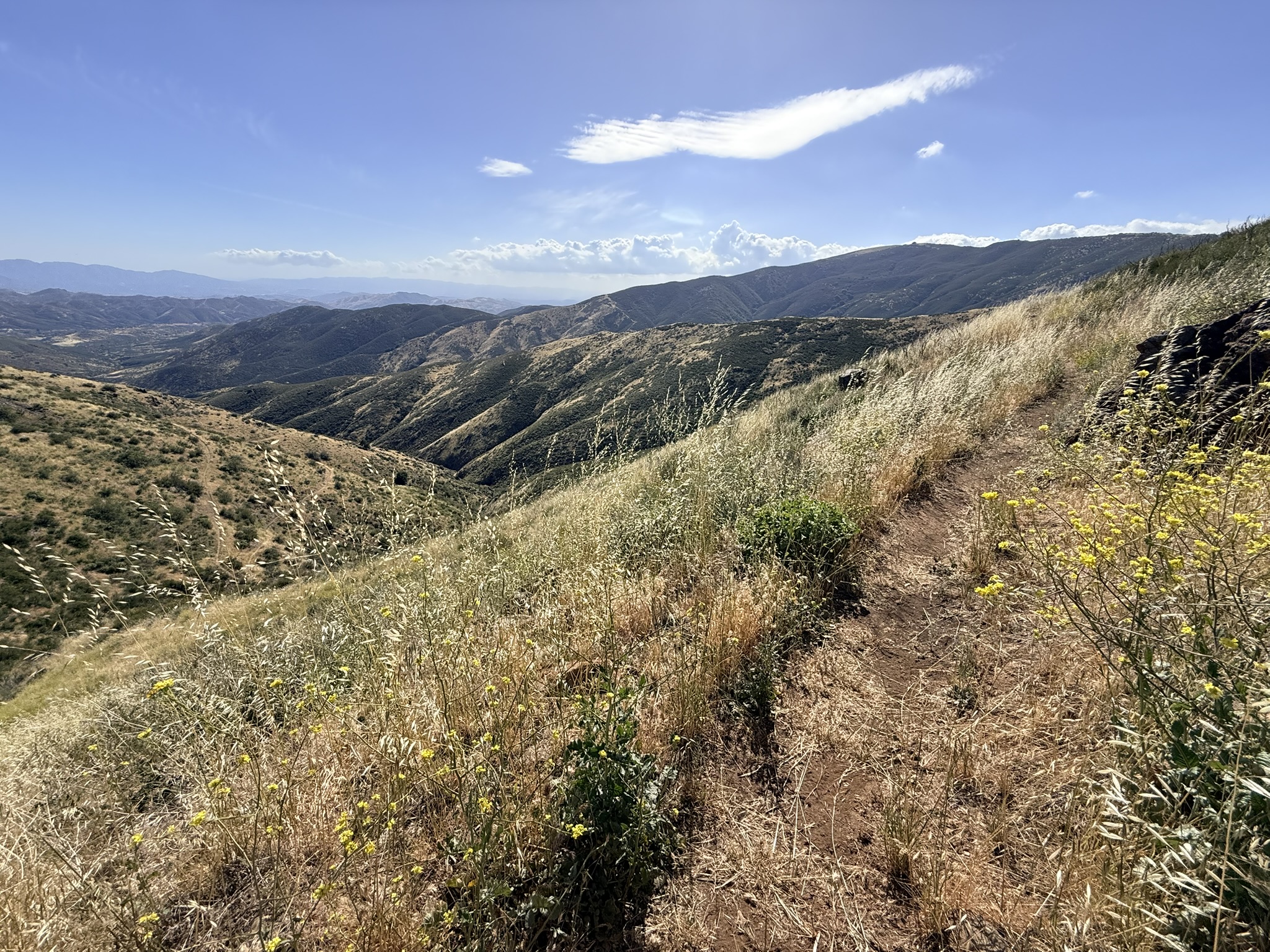 The section started with a familiar decision.
Camp on trail for the weekend, or hike lighter and get picked up at the end of each day.
With nighttime temperatures dropping below 35°F, I chose comfort.
I hiked during the day, mixed in some trail running, and returned to my RV each night. It made the days more enjoyable and the recovery easier.
At this point, I’m starting to accept that decision more openly.
If comfort is available, I tend to take it.
That doesn’t mean I always will, especially with the Sierra ahead, but for now, I’m treating it as an advantage rather than something to feel conflicted about.
One small change that helped during these miles was switching to low-fi video game music.
It kept my pace steady and my mind calm, especially during long, repetitive stretches where there isn’t much variation in the landscape.
When Logistics Override Motivation
 During the week, I had the option to continue trail running sections.
I didn’t.
Not because I couldn’t, but because it didn’t make sense.
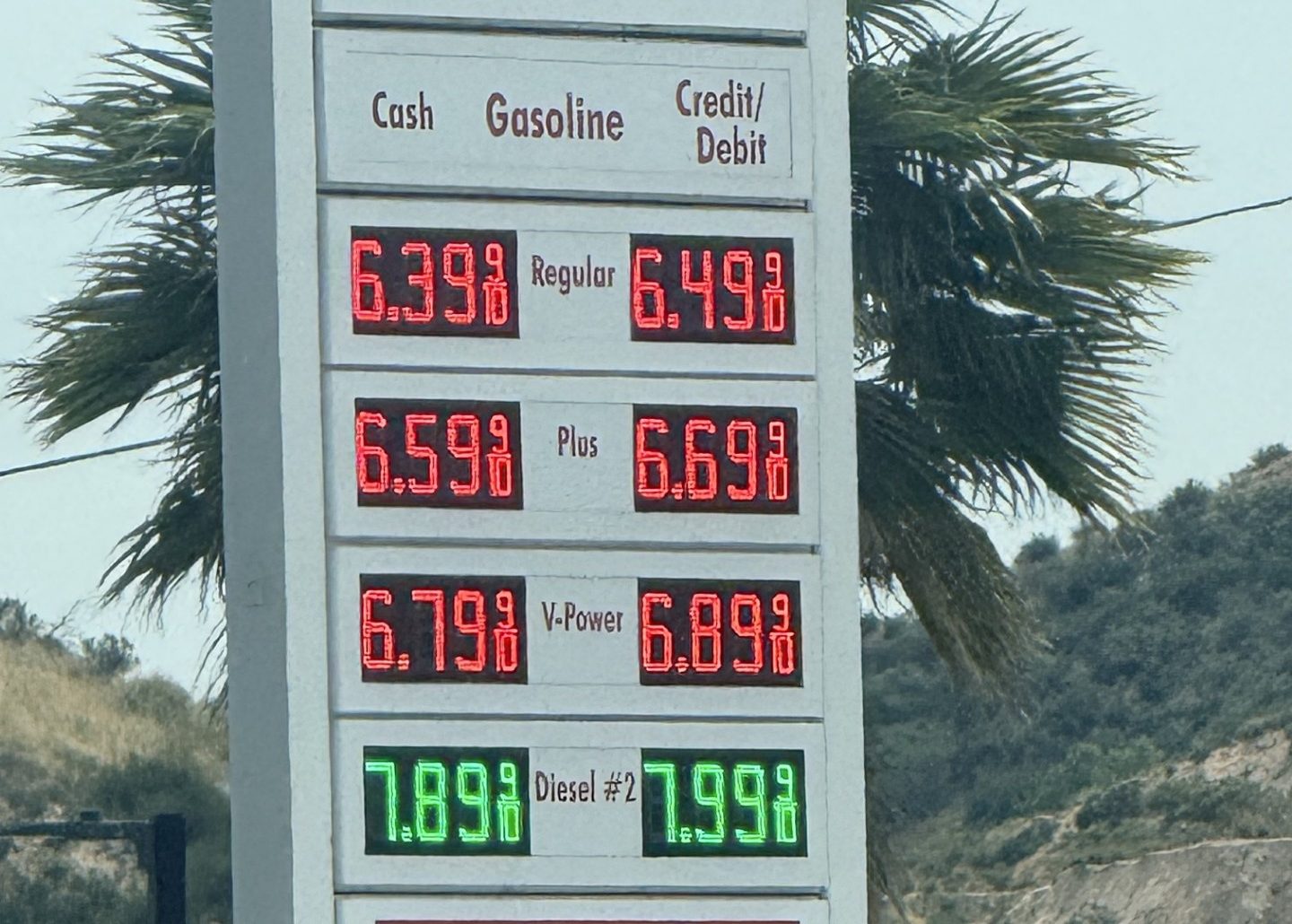
The nearest pickup point required a 1.5-hour drive each way. With gas over $6 per gallon and poor mileage in my Jeep, the cost added up quickly.
That changed the equation.
Comfort matters, but not when it becomes expensive.
So instead, I waited and stacked those miles into the weekend when camping made more logistical sense.
That’s something I didn’t expect coming into this hike, how often decisions would be driven by cost and logistics rather than just physical ability.
Back-to-Back Miles and Real Fatigue
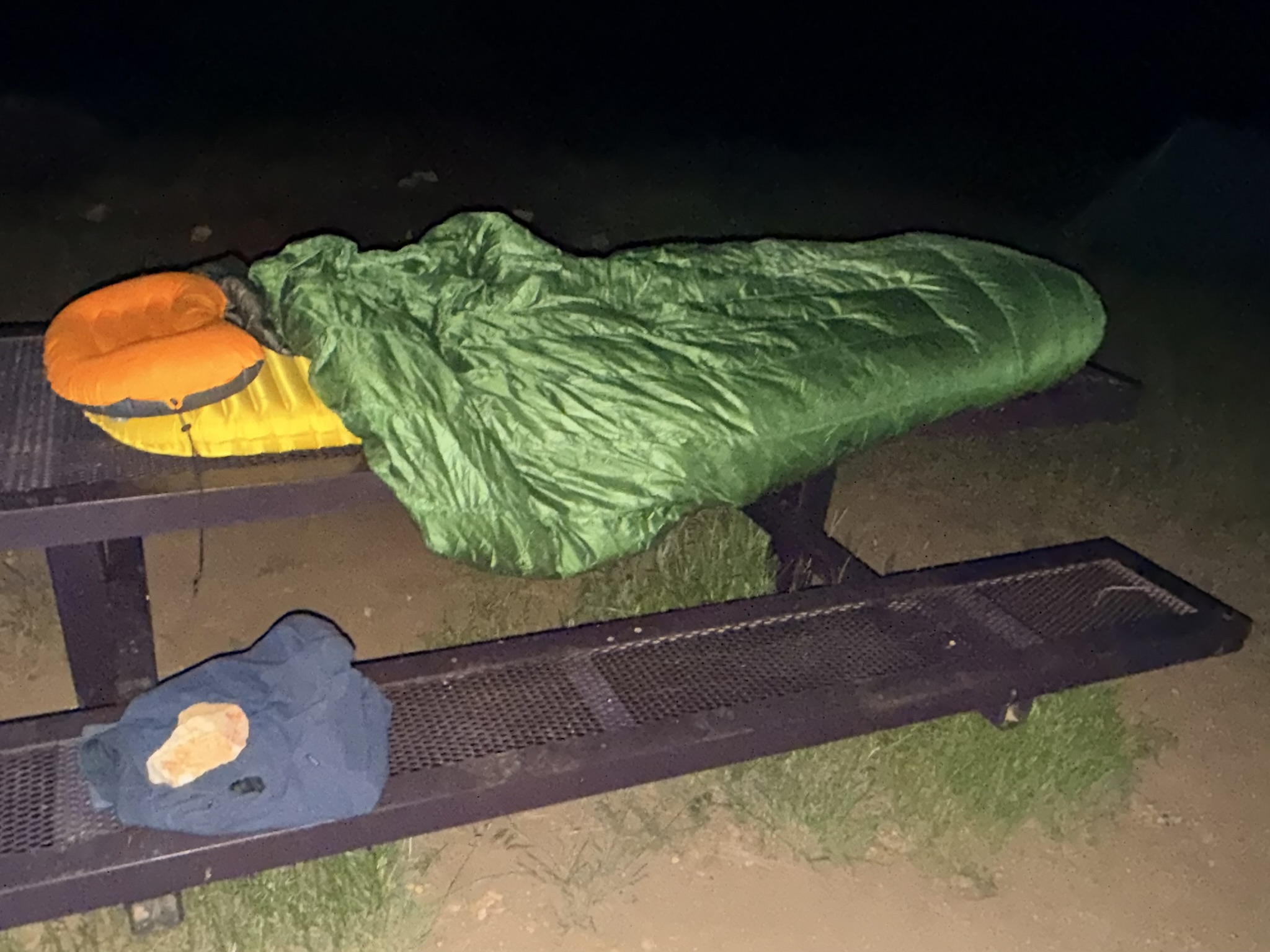 When the weekend came, I committed to camping again.
Friday and Saturday turned into back-to-back 20-mile days with significant elevation gain and loss. The terrain rolled constantly, never steep enough to feel extreme, but never flat enough to relax.
On Friday, I arrived at Sawmill Campground post-sunset. I opted to cowboy camp on a picnic table rather than search around with my headlamp for a viable site to pitch a tent.
On Saturday, the trail felt endless. By the time I reached Hikertown, my feet were in rough shape. The soreness had built throughout the day, and it was clear this was still my biggest limiting factor.
Everything else feels manageable now. Feet are the bottleneck.
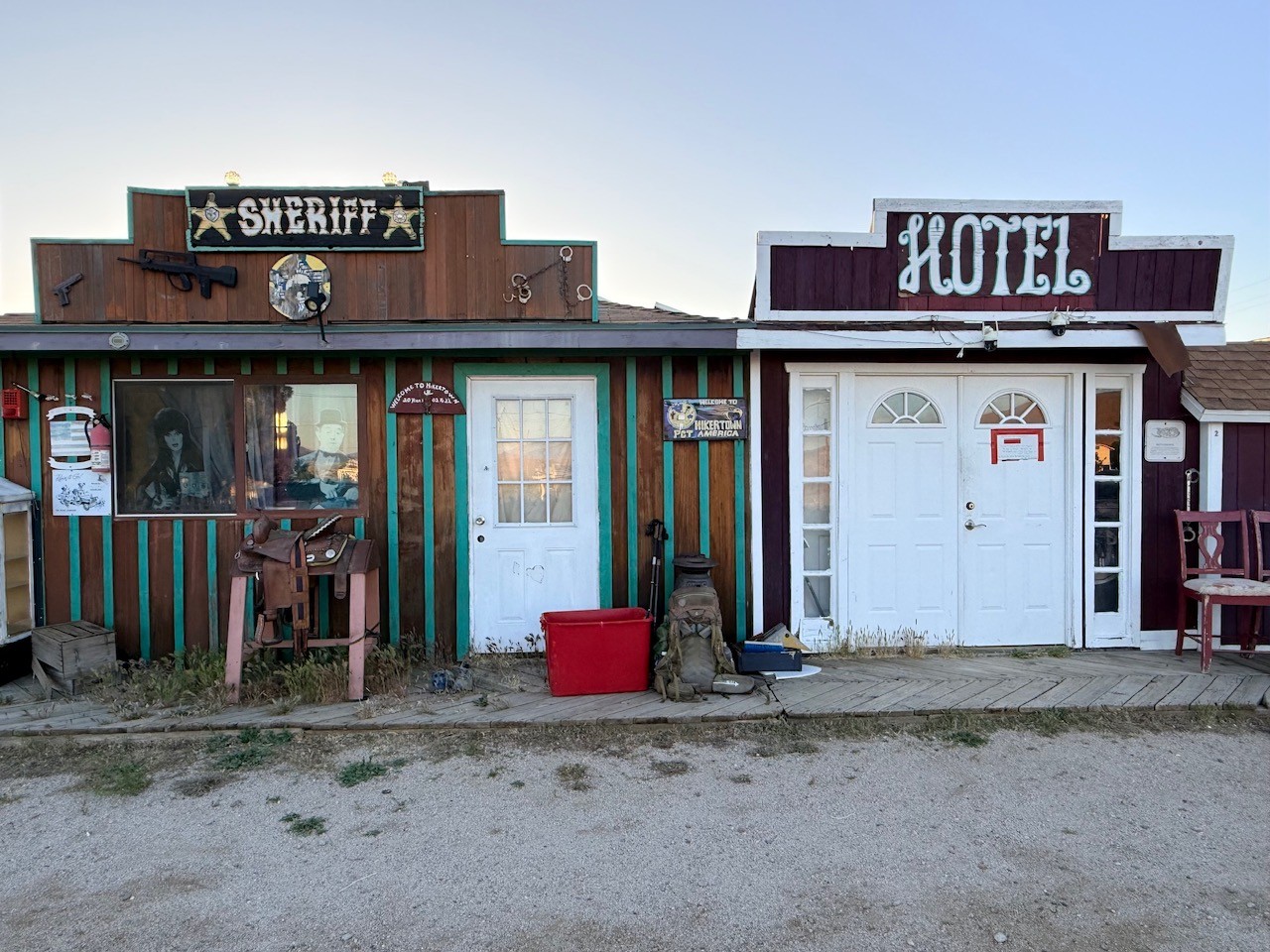
Hikertown itself was a shift. After days of mostly solo hiking, suddenly there were people again. Groups forming, conversations happening, shared energy that hadn’t been present for a while.
A local shop owner gave a few of us a ride to a nearby store, and I leaned into it. Food, snacks, and more beer than I probably needed.
Six beers later, I finally got something I hadn’t consistently had on this trail. Sleep. About seven hours of it. It made a difference.
The Aqueduct: Mental Over Physical
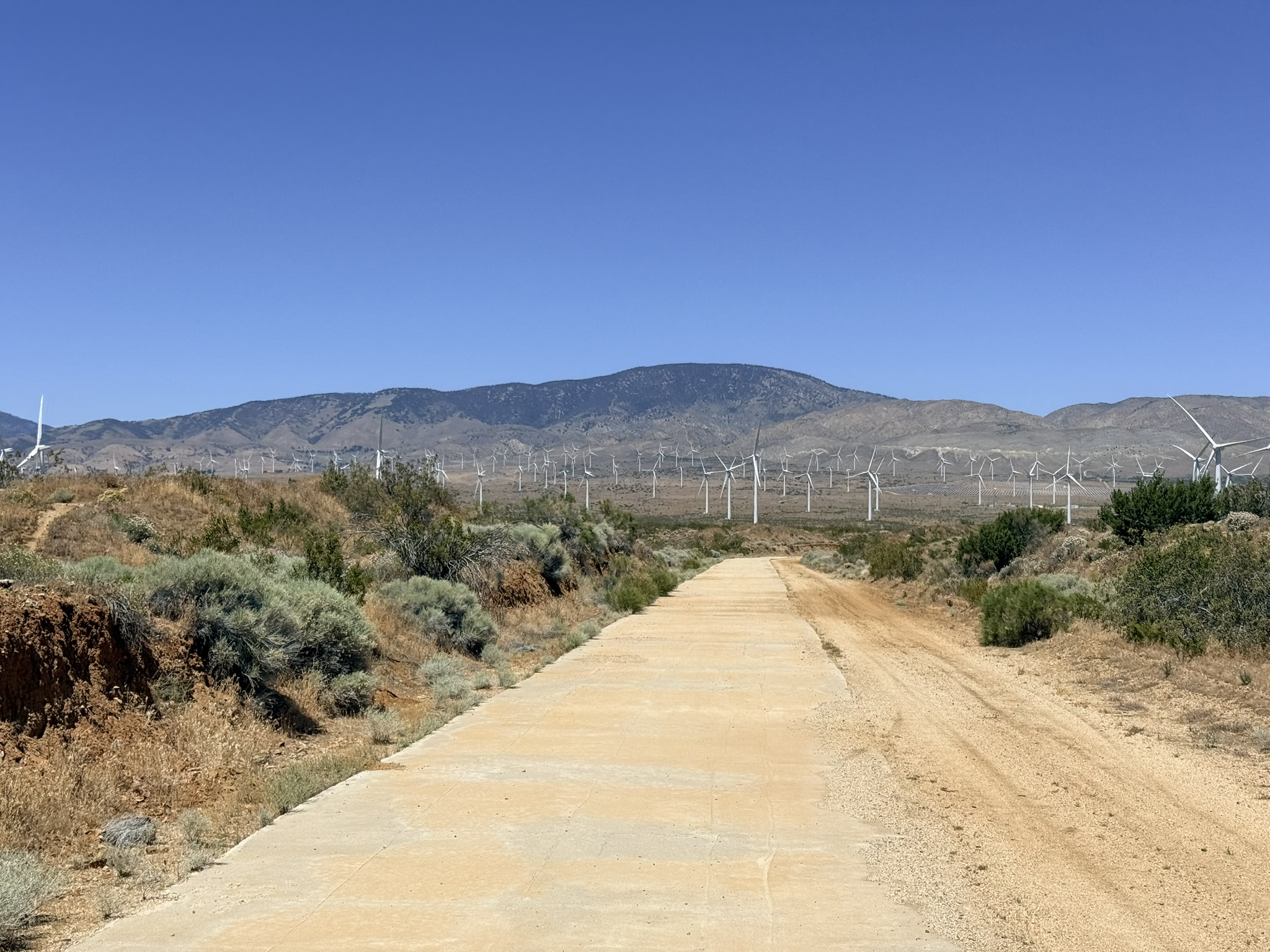 The aqueduct is one of the more talked-about sections of the PCT.
Long, flat, fully exposed, and often done at night to avoid heat.
I didn’t.
Temperatures were around 65°F, so I started early, around 6 AM, and went for it during the day.
Physically, it wasn’t difficult.
Mentally, it was.
Miles of straight-line walking with minimal variation. The horizon barely changes. The ground stays the same. The sun becomes the main variable.
This is where pacing strategy matters less than mental management.
I hiked this portion of the trail with another hiker, and the conversation made a noticeable difference. Time moved faster, and the monotony broke up just enough.
Still, it felt like a missed opportunity in one sense.
This would have been an ideal place to trail run.
Flat, consistent, predictable.
But between the accumulated fatigue and foot pain, I stayed at a controlled pace instead.
Wind Farms and Final Miles
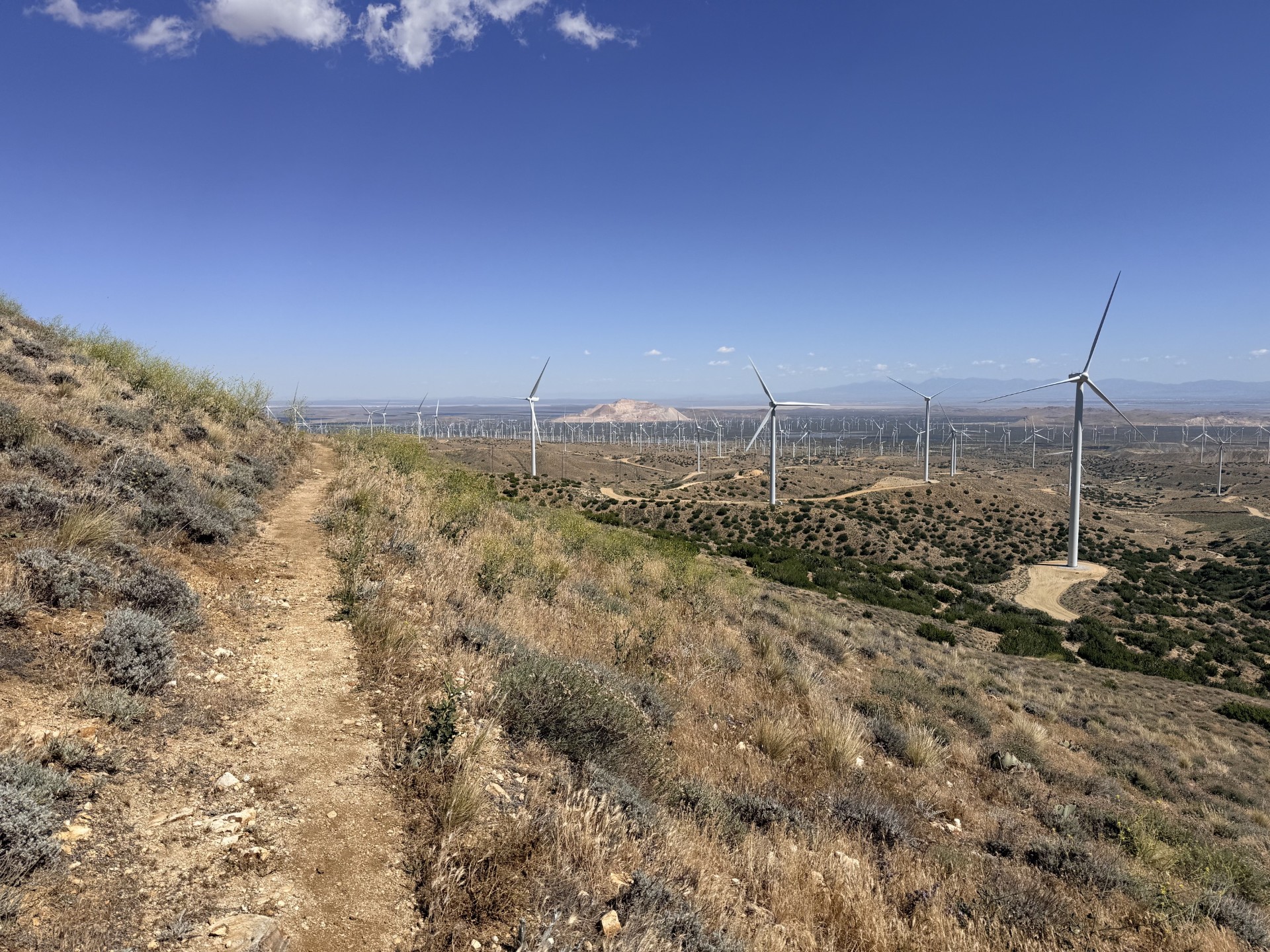 The final stretch into Tehachapi introduced a new element.
Wind.
Strong, steady gusts pushed across the ridgelines and through the valleys. The landscape shifted again, now dominated by massive wind turbines turning constantly against the skyline.
At first, it was interesting.
Then it became background noise.
The 3o+ mph wind added resistance, not enough to stop progress, but enough to make every mile feel slightly harder.
On calmer days, especially toward the end, the contrast was noticeable.
Same terrain, same effort, but without the wind, everything felt easier.
That’s something I’m starting to appreciate more.
Small environmental differences can completely change how a day feels.
Foot Pain Still Limiting Distance
Consistent soreness after ~20 miles
Prevents pushing toward 25+ mile days
Still unresolved
Comfort vs Experience Tradeoff
Choosing RV over cold camping when possible
Increasing comfort, but potentially reducing exposure to harsher conditions
Mental Fatigue (Aqueduct)
Long, repetitive terrain requires focus
Conversation and audio help significantly
Logistics Constraints (Gas / Access)
High fuel costs impacted hiking decisions
Not all sections are practical to split into day hikes
Logistics
The Aqueduct Is About Timing: Cooler days make daytime hiking manageable. In hotter conditions, night hiking becomes more practical.
Wind Is a Real Factor Near Tehachapi: Can slow progress and increase fatigue, even on moderate terrain.
Road Access Becomes Less Convenient: Longer drives between access points make hybrid hiking more difficult and expensive.
Camping vs RV Becomes Strategic: Comfort, cost, and positioning all factor into decisions.
Reflection
 Section E wasn’t physically the hardest.
But it exposed something else.
The difference between what I can do and what I choose to do.
I can push through cold nights. I can camp more consistently. I can increase mileage.
But when given the option, I don’t always choose that.
And I’m starting to accept that.
At the same time, the trail is starting to narrow my options.
The Sierra is coming.
Comfort won’t always be available. Road access will become less reliable. Conditions will become less forgiving.
So the question is changing.
Not just how far I can go.
But whether I’m preparing myself for what’s ahead, or just optimizing what’s comfortable right now.