
On a campus as large as UC Berkeley, one canceled course is just a grain of sand — unnoticeable, replaceable, fleeting. Yet in Spanish, when people say they are leaving their “granito de arena,” or grain of sand, they are speaking of the contribution they are making, conveying the idea that a single grain matters in the larger world scheme.
My ethnic studies course, “Diaspora, Identity and Place,” or Ethnic Studies 180, was one such granito. Through the three unifying themes in the title, my course taught students about the distinct forces that lead to the dispersal of people from their original homelands to new geographies. Students developed autobiographical essays, conducted oral histories and participated in a yearly field trip to Oakland’s historic Chinatown as a way to appreciate how diasporic peoples shape the places where they settle.
I am certain of the positive impact it had on not just because of its exceptional evaluations, but because of the testimonies I have heard directly from students as we remain in touch over years. Given its unique comparative approach, many students even suggested my class be moved from being a “special topics course” to one of the department’s introductory classes.
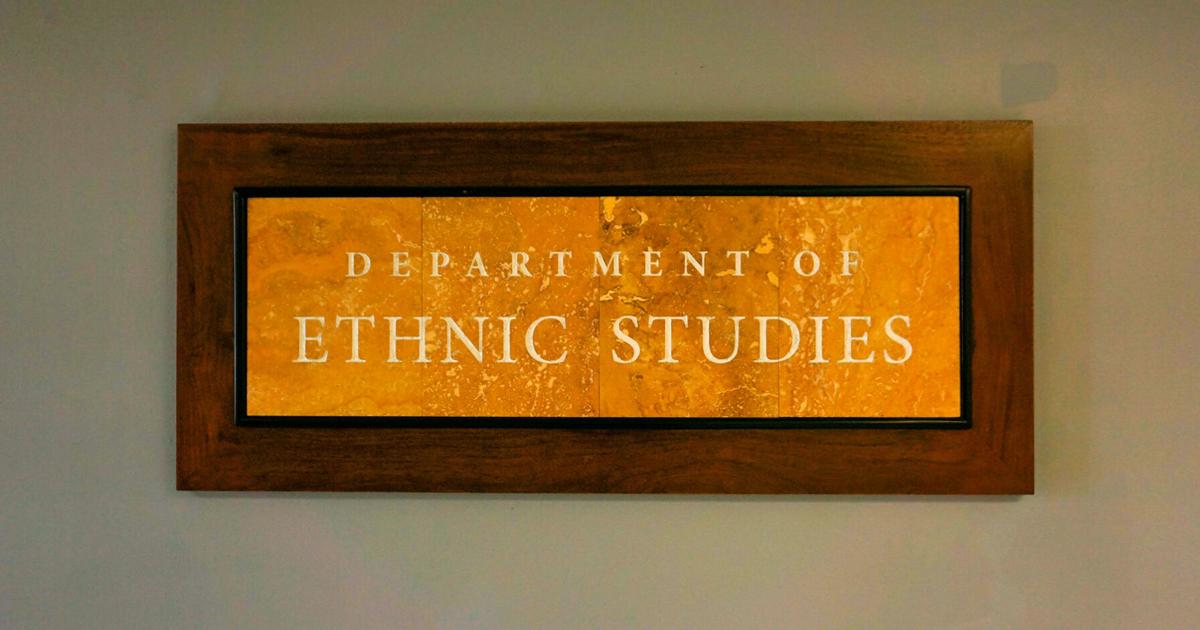
Only when I checked the course catalog webpage did I find out the ethnic studies department cut my course.
Currently, throughout the UC system, lecturers courted during the height of the pandemic are facing sudden layoffs despite our reappointment letters and despite the university’s ongoing healthy enrollment numbers. Like so many other of my fellow lecturers, I too am a distinguished professor. But despite winning multiple teaching awards such as the Extraordinary Teaching in Extraordinary Times Award and the Faculty Award for Outstanding Mentorship of GSIs, and despite my building out courses with care and success, the dean’s office and the ethnic studies department have given me the message that I am expendable.
Without prior notice, my colleague, Juan Berumen, has had all four of his Ethnic Studies courses eliminated, and is effectively being forced out of a department that he has been deeply committed to. And, although the department has shared their “regret” via email about the way I found out, their poor internal communication and the unexpected termination of my contract afforded me little sense of dignity, trust and transparency. It also erodes undergraduate students’ trust in their department’s leadership to see beloved professors discarded.
The ethnic studies department at UC Berkeley has long been nurtured and sustained by lecturers who are rooted in the legacies of struggle that have built this exceptional discipline. Jesus Barraza, Harvey Dong, Pablo Gonzalez, Raymond Telles and Victoria Robinson are all educators who bring their scholarly expertise and practice to their ethnic studies courses.
Are undergraduates — the largest demographic on campus — aware that those of us categorized as “lecturers” are consistently kept below full-time employment at the university, paid dramatically less than our tenure-track peers?
As tuition continues to increase, do students know that the individuals who often are the most central in their education and mentorship are increasingly feeling like gig workers or academic day laborers for the university?
Juan and I are both products of earlier struggles to create and defend ethnic studies on campus and across the Bay Area. During my first semester as a freshman in 1999, students camped out in front of California Hall to defend the program. Over the next few years, I witnessed the growth of the Multicultural Community Center as a student-led space that creatively and thoughtfully addressed important matters — be these the resources available to mixed-status students or ongoing U.S. involvement in debated wars abroad. These experiences shaped me into the scholar I am today and personally grounded me in the department’s history.
How much do I really cost the university? Is the firing of lecturers the most justifiable austerity measure that the UC system can enact?
In my layoff notice, I was informed that lecturer layoffs were a product of budget constraints and recent hires of tenure-track faculty. Tenure-track professors undoubtedly are essential for a research university and come with a strong dedication to advancing scholarship in their respective fields and training graduate students. However, in this respect, undergraduate teaching and advising has mostly been a secondary commitment for senate faculty, who teach fewer undergraduate courses and periodically are away on sabbaticals.
Lecturers fill this role, shaping the minds and careers of their undergraduate students. In firing lecturers, UC Berkeley has demonstrated a lack of commitment to both the ethnic studies department and to the needs of undergraduates.
I feel a deep heartbreak from being shut out of a department I have defended for nearly 30 years at a time when ethnic studies is facing attacks at both federal and local levels. Having a stronger commitment to lecturers is a key investment in undergraduate education and research. It is overdue that campus and departmental leadership understand the relevance of our contributions and move beyond seeing us as temporary substitutes for sabbaticals or as periodic buffers in between hires.