
“People are coming from a couple hours [away] to have their babies,” Doyle said. “We only have one hospital that is doing deliveries for hours in every direction. It’s super stressful.”
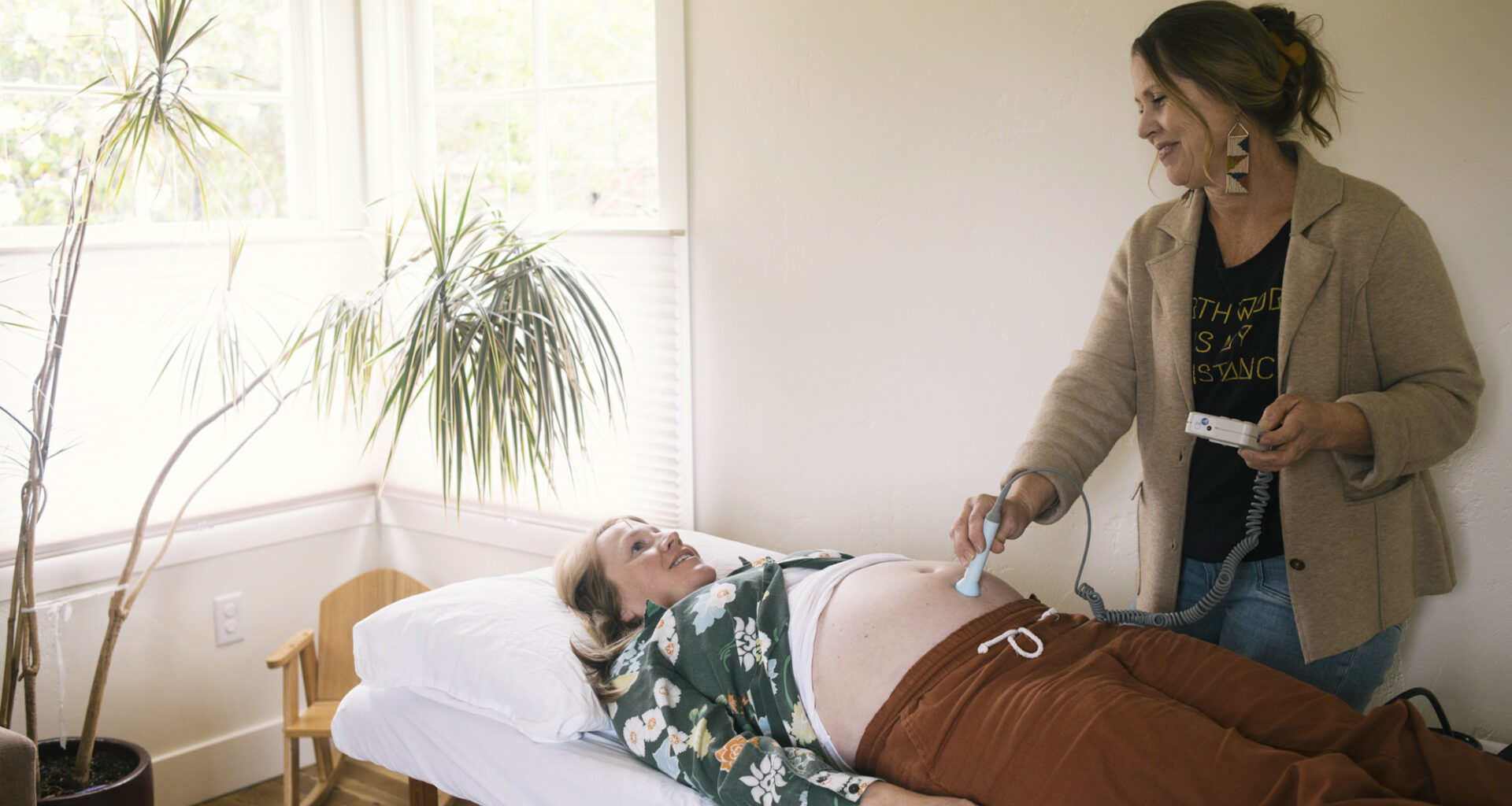
Abundant research has shown that midwifery care leads to better outcomes for many of these challenges. As medically-trained healthcare professionals, midwives offer a different kind of care that can help meet this need. They can place IVs, do sutures, and give antibiotics — but they don’t administer epidurals or perform c-sections.
“Doing unmedicated birth means we’re relying on preventative care, so good nutrition, really good sleep, low stress and getting these babies in an optimal position,” Doyle said. “Unfortunately, standard medical practice doesn’t have time for that.”
And they offer women longer prenatal appointments, safe birth outside a hospital setting, and regular postpartum check-ups —a crucial time, because most pregnancy-related deaths occur in the postpartum period.
But the vast majority of people can’t afford midwifery care. Midwives are not covered by most insurers, and incredibly low reimbursement rates mean that most midwives also can’t accept low-income clients on Medi-Cal. Holly Smith, a midwife and co-lead of Midwifery Access California, estimated that Medi-Cal reimburses around $3,000 per birth.
“Midwives across the state have told us that the minimum they need is $7,000-$8,000 per birth, in order to sustain their practice,” said Smith, adding that the actual cost is around $14,000-$15,000.
Doyle has found a way to serve low-income families in Humboldt, where the median household income is about 60% of the state median.
“I always say, we’re all working hard to be poor,” Doyle said. “The stress is real for most people in this community.”
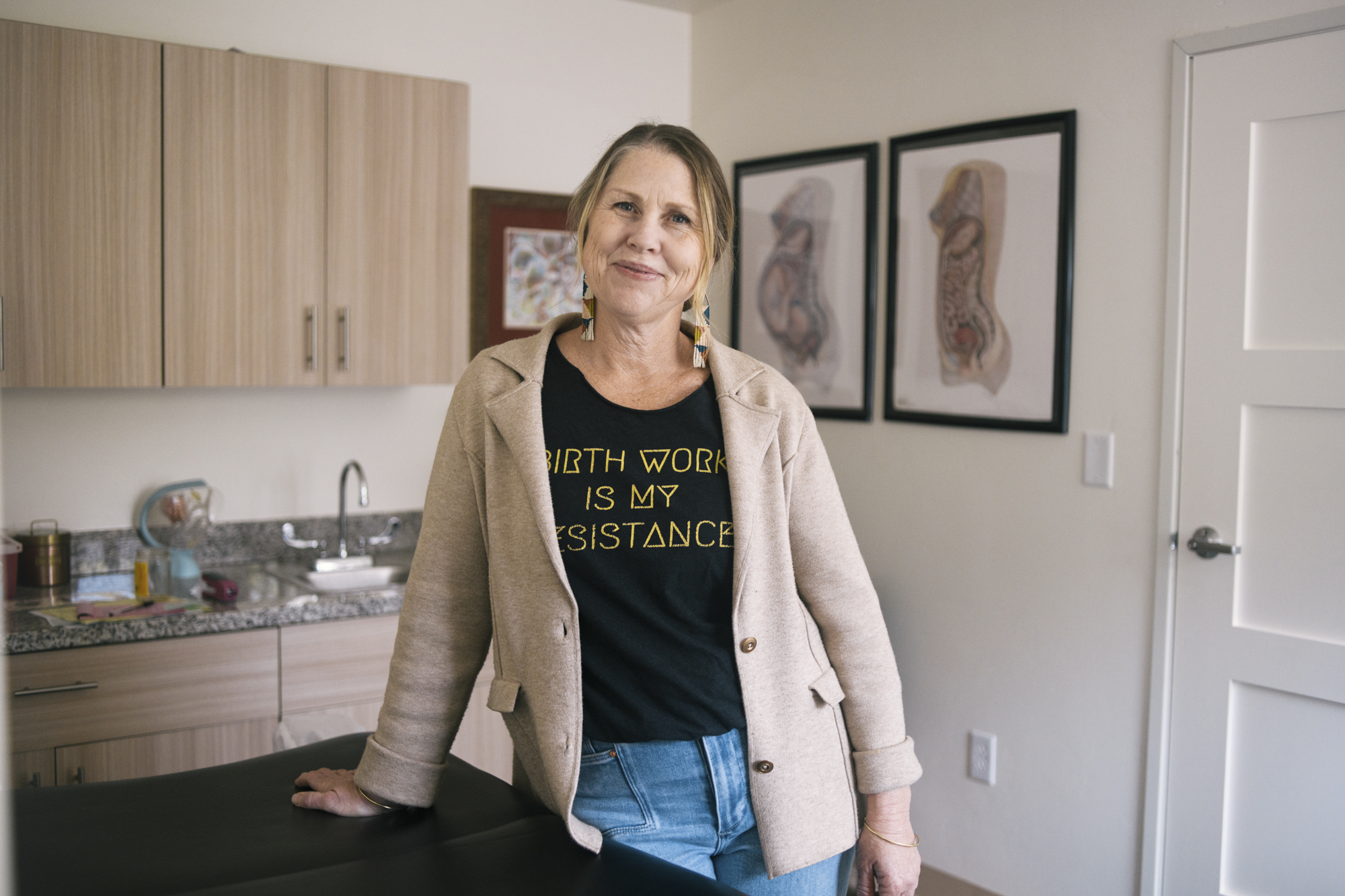 Midwife Laura Doyle at Moonstone Midwives Birth Center in Eureka on May 4, 2026. (Alexandra Hootnick for KQED)
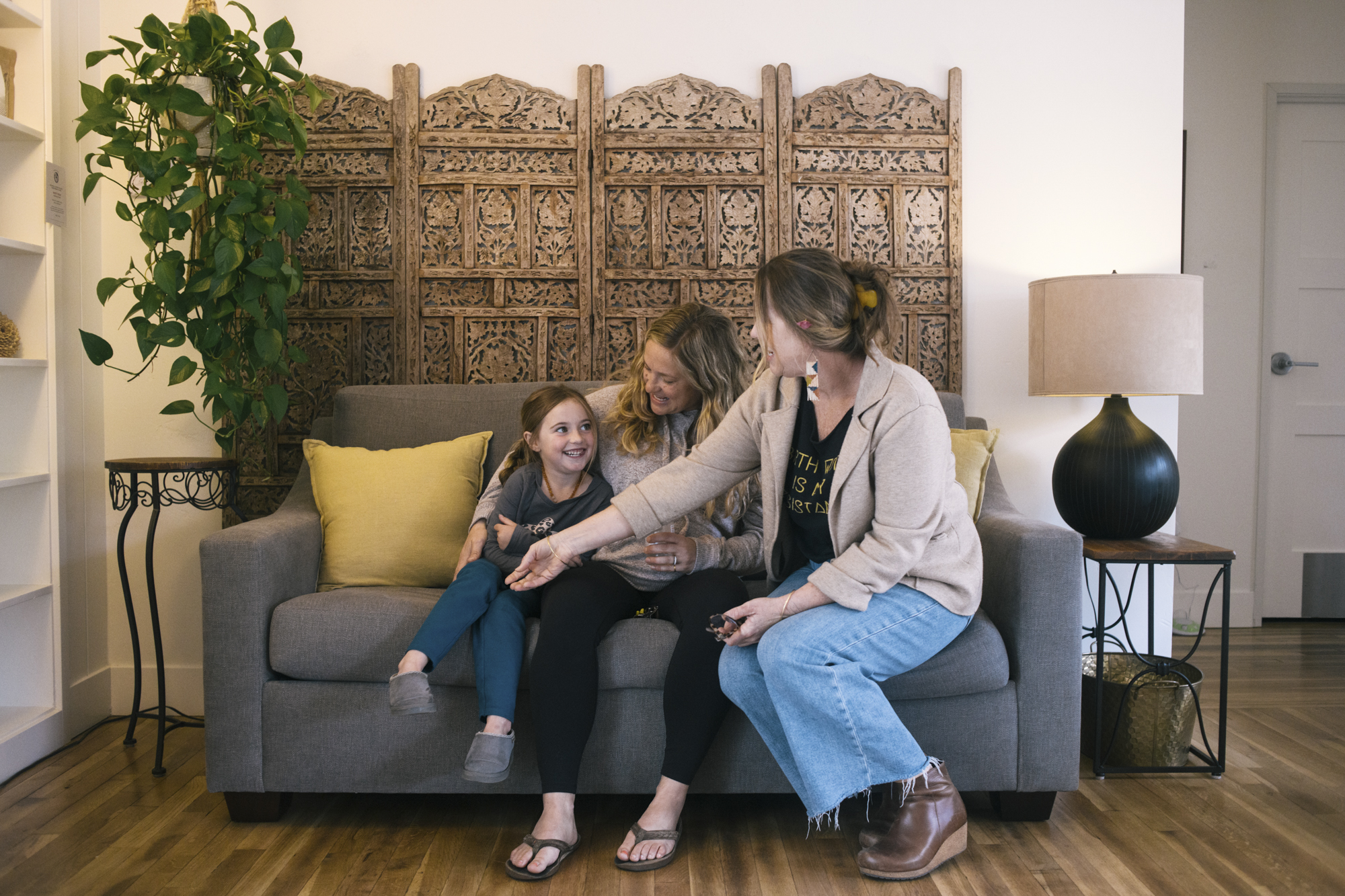 Midwife Laura Doyle (right) chats with expecting parent Kaylee Biane and her daughter Josie in the waiting room at Moonstone Midwives Birth Center in Eureka on May 4, 2026. (Alexandra Hootnick for KQED)
After a year of meetings, Doyle was able to negotiate a better deal with the local Medi-Cal payer in Humboldt, Partnership Healthplan. This makes her birth center one of the very few in California able to accept low-income families. Around 75% of current Moonstone clients are on Medi-Cal.
“It’s so frustrating to know that you can only have this if you can afford it,” said Doyle. “That is just wrong. Everybody should have access to good midwifery care. It’s really been the motivator of my career: people should be empowered in their birth experience no matter who they are.”
Moonstone is located opposite Humboldt’s last remaining labor and delivery ward, at Providence St. Joseph, so that if a birthing person wants an epidural, needs surgery or the baby has to go to the NICU, the transfer is quick and easy.
“We’ve always been able to reach out to doctors and consult with them,” Doyle said, of the hospital staff. “We’ve built that rapport; they trust us and we trust them.”
Community midwives, meaning those who don’t work in a hospital, attend around 1% of births in California — but research has shown that more birthing people would like to have this kind of care.
Some women seek midwifery care because they’ve had a difficult experience in the hospital. Claire Henderson gave birth at Mad River Community Hospital nearby in Arcata, before it closed its maternity ward in 2024.
“They had three birthing rooms and at that time I think nine babies were being born, or were just born, so there was no room for me,” Henderson said. “But I was in full labor, so they stuck me in this little exam room we called a ‘closet,’ and that’s where I had my baby.”
Henderson said she felt unheard by the hospital staff, who kept offering her medicine she didn’t want. Even though her baby was born healthy, she felt overwhelmed — so when she got pregnant a second time, she knew she wanted a midwife instead.
“I believe in hospital births, but I knew I wanted a natural, physiological birth,” she said, “uninterrupted as much as possible, and to have everything calm down.”