
 Several states, including Maine and Washington, have recently passed or proposed new taxes targeting high earners.
Credit: Bloomberg / Getty Images Key Takeaways
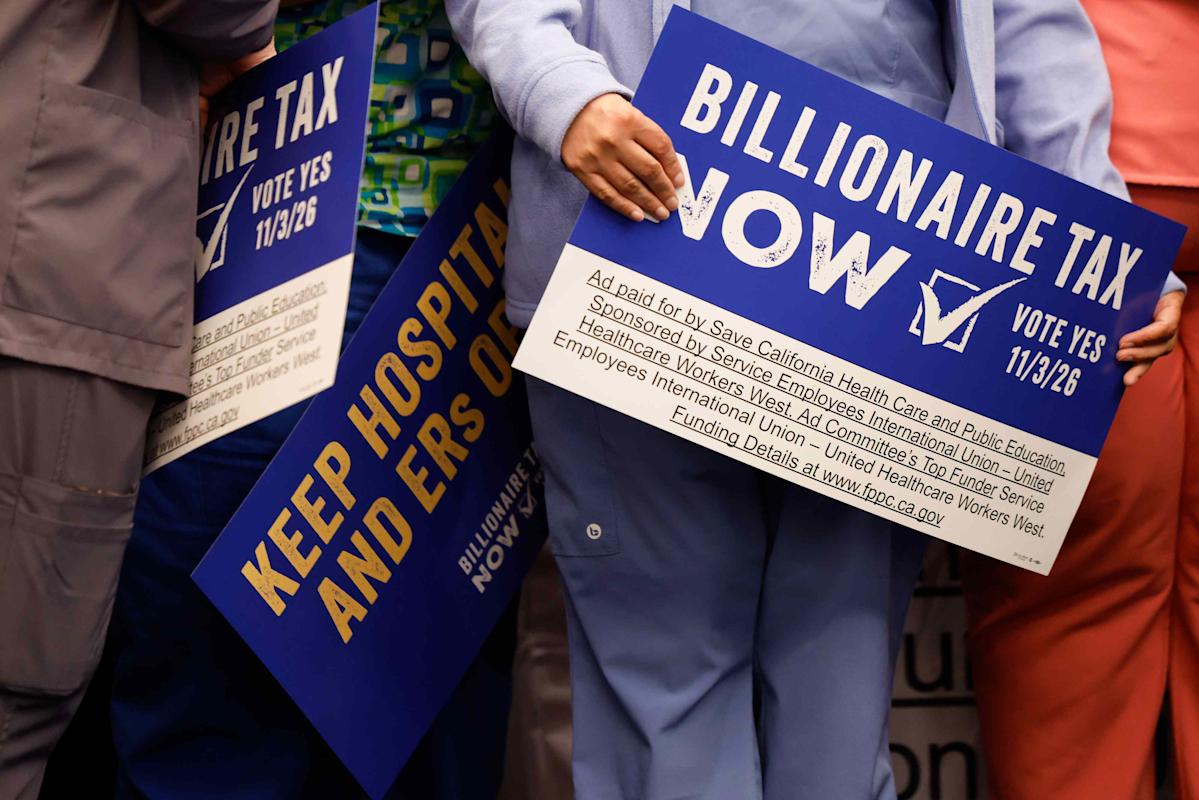
California voters may decide on a one-time billionaire tax in November to address a health care funding shortfall.
Critics argue these taxes drive wealthy residents to relocate, while supporters suggest they’re needed to bolster state revenue.
A billionaire tax is heading to California ballots this November as a wave of states explore or impose higher taxes on the wealthy.
California’s ballot initiative would impose a one-time 5% tax on those with a net worth of a $1 billion or more. The measure has received almost 1.6 million signatures, more than half of which need to be verified before it can appear on the ballot.
What This Means For You
Some states are trying to tax high earners or those with high net worths at higher rates. These policies can affect state budgets and economic activity.
Supporters of these initiatives say they can help fill state budget gaps, while detractors say wealthy people could simply leave entirely. California, which has a massive economy and a long list of wealthy inhabitants, is a high-profile example of a strategy that has been employed by several other states.
Maine has passed legislation increasing taxes on high earners. Beginning in 2027, single filers earning more than $1 million will pay a 2% surtax on income above that threshold. Washington state also recently passed a millionaire tax: Starting in 2028, residents will pay 9.9% on income above $1 million.
New Jersey and Massachusetts have charged surtaxes on millionaires for years. According to the Tax Foundation, New Jersey was one of the first states to pass a millionaire’s tax in 2004.
In California, billionaires like Sergey Brin, cofounder of Google, now owned by Alphabet Inc. (GOOGL), have reportedly left the state to avoid the one-time tax, which would apply to billionaires who were California residents on Jan. 1, 2026.
“I fled socialism with my family in 1979 and know the devastating, oppressive society it created in the Soviet Union. I don’t want California to end up in the same place,” said Brin, who has also backed a ballot initiative to counter the billionaire tax, in a statement to the New York Times.
But that view isn’t unanimous among California’s wealthy. “Whatever taxes … they would like to apply, so be it. I’m perfectly fine with it,” said Jensen Huang, CEO of Nvidia (NVDA), in an interview with Bloomberg.
In California, the tax is championed by SEIU United Healthcare Workers West, which says the tax is needed to plug a healthcare funding shortfall the union attributes to Medicaid cuts in the One Big Beautiful Bill Act.