
California Governor Gavin Newsom has rejected calls for a temporary gas tax holiday despite fuel prices in the state climbing above $6 a gallon, intensifying frustration among drivers already grappling with the rising cost of living.
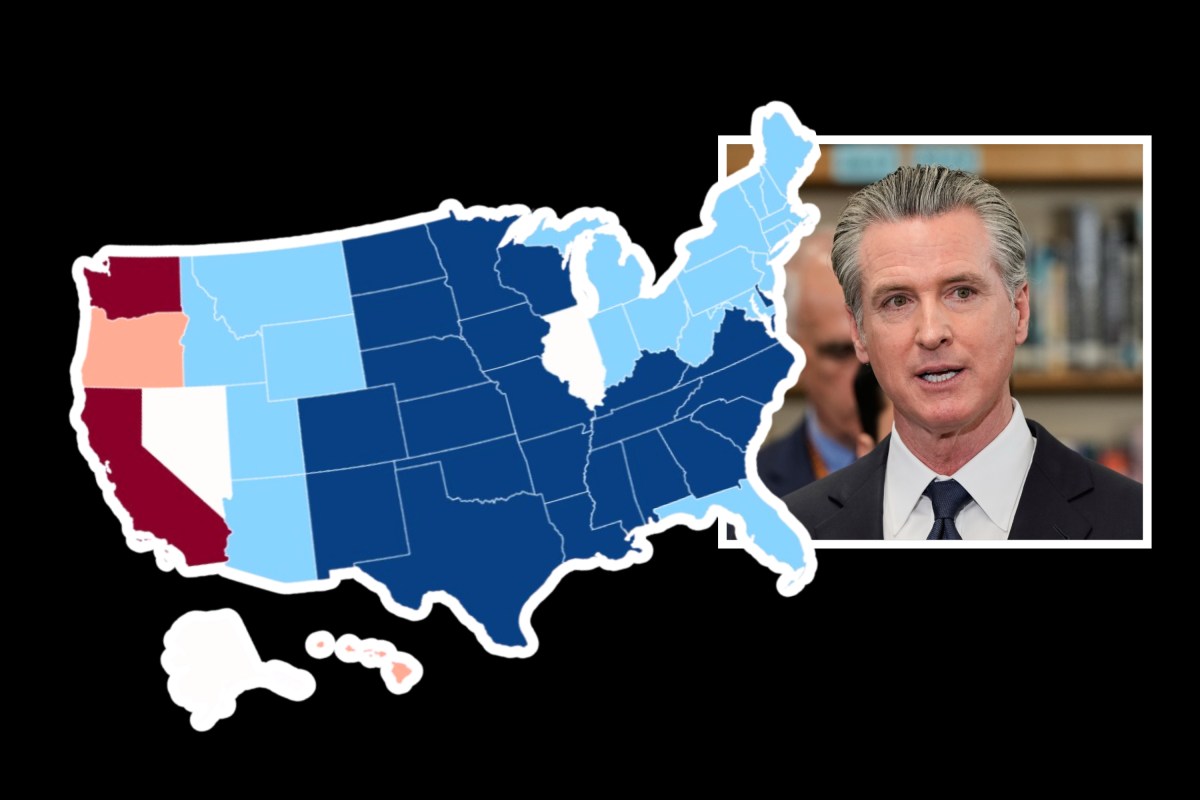
As of Friday, the average price of a gallon of regular gas in California stood at $6.16, according to AAA data, making it the only U.S. state with average prices above $6. Nationwide, the average price was $4.54 per gallon.
Under Newsom, California has maintained some of the nation’s highest environmental fees and taxes tied to the oil and gas industry, a policy supporters say funds climate initiatives but critics argue is worsening costs for consumers.
Newsweek contacted Newsom by online form and the California Energy Commission by email on Saturday for comment.
California Drivers Feel the Squeeze
The political pressure comes at a sensitive moment for Newsom, who is widely viewed as a potential Democratic presidential contender in a future White House race. Sky-high gas prices pose a major political challenge for California Democrats as voters feel mounting financial strain from fuel, groceries and housing costs.
In Sacramento, California, resident Daniel Hock voiced frustration over the state’s rapidly rising gas prices, as reported by CBS News.
“I ultimately am the one footing the bill under a presidency that said that my gas prices would go down,” he told CBS.
Speaking to AFP, California resident Ryder Thomas, based in Los Angeles, said: “I’m mad about the price, but I’m even madder about why it’s so high […] There was absolutely no need for this war. I hope the middle-of-the-road voters who got Trump elected start thinking about it and realize what he’s done to them.”
In the same report, Trump voter David Chavez stated: “It is not nice; we don’t want to pay more for gas,” adding, “we don’t know everything that happens behind closed doors. It’s too easy to blame one person for all the problems.”
Average Gas Price for US at $4.53. Map Shows Prices Per State
A map shows the retail price of gas by state as of Saturday May 9.
Newsom Rejects Calls for Relief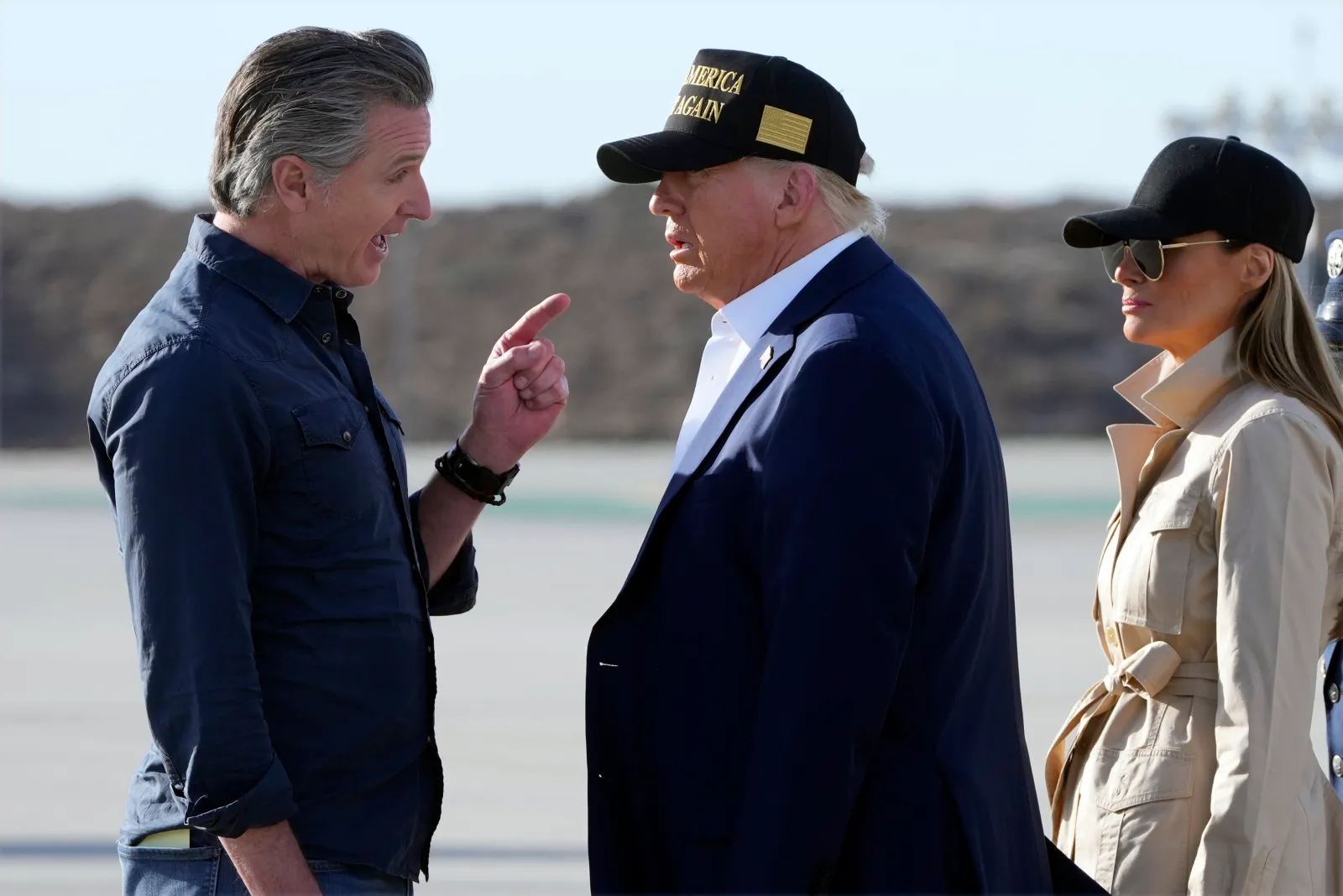
Speaking on Friday, Newsom again dismissed the idea of suspending the state gas tax, even as economists and some lawmakers floated the proposal as a way to ease pressure on drivers.
“Is Donald Trump promoting that? Why isn’t Donald Trump providing a federal gas tax holiday?” Newsom said when asked by KCRA 3 whether he would consider the measure.
The governor also argued there was no guarantee oil companies would pass savings from a tax suspension directly to consumers at the pump. Newsom pointed to Republican-led states facing elevated prices as well, including Florida under Governor Ron DeSantis, though California’s fuel prices remain the highest in the nation.
When asked by KCRA whether he had any regrets about his administration’s approach toward the oil and gas industry, Newsom defended his record. “No, quite the contrary,” he said. “I’m proud of our leadership and our competitiveness.”
Newsom added that he was “proud of being the dominant force in terms of changing the way we produce and consume energy for this nation” and blamed gas pump prices on “Donald Trump’s recklessness as it relates to the war in Iran, period, full stop.”
The issue was discussed during a state capitol hearing earlier this week examining oil and gas supply uncertainty in California. Lawmakers, economists and energy officials acknowledged that California’s environmental regulations, taxes and fees are a major factor separating the state’s fuel prices from national averages.
Severin Borenstein, an economist at University of California, Berkeley Haas School of Business, suggested lawmakers could temporarily adjust the tax structure to shield consumers when crude oil prices surge.
“There’s no question it could help consumers,” Borenstein said during the hearing, as reported by KCRA.
Foreign Oil Dependence Under Scrutiny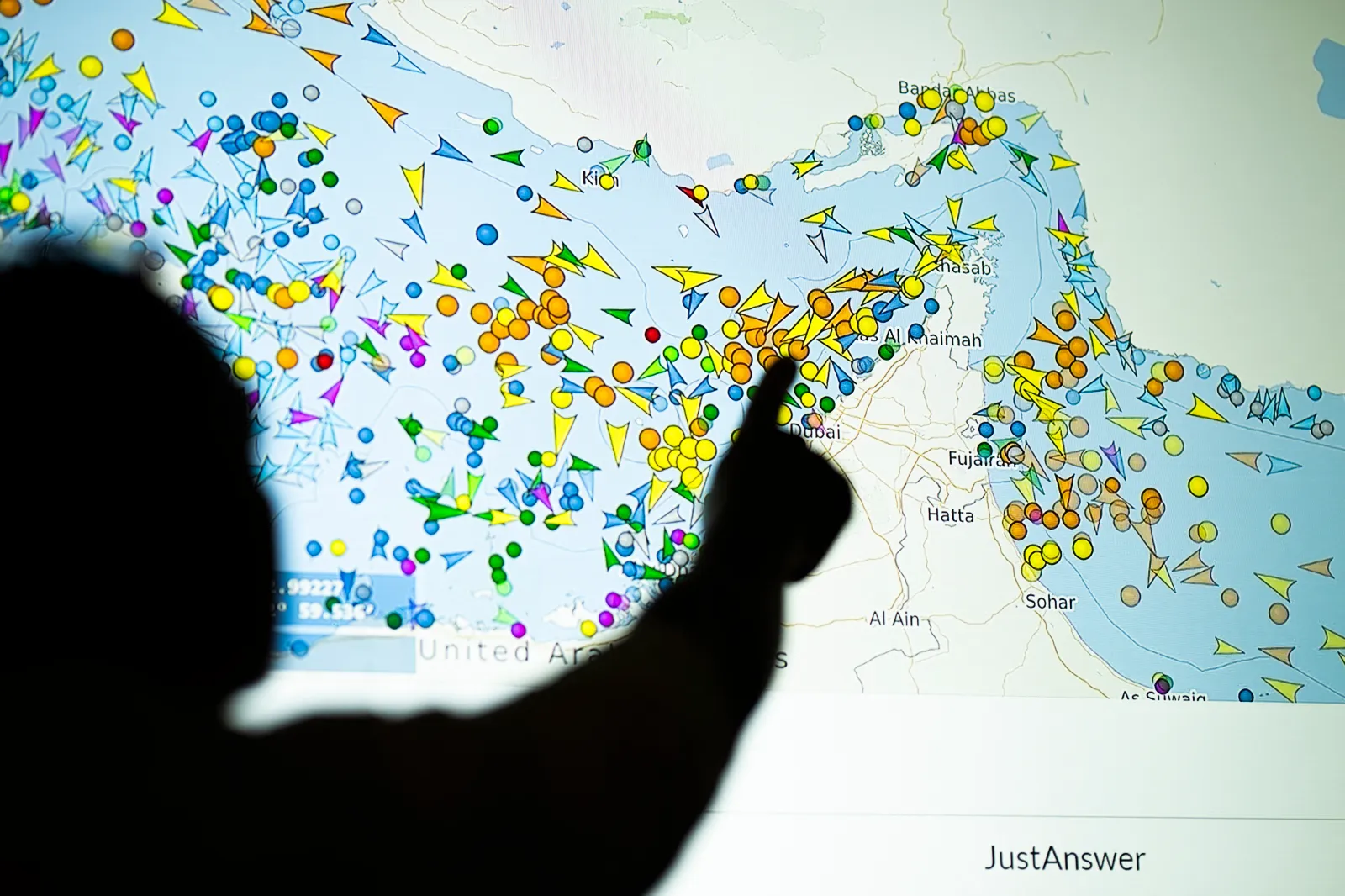
California is also becoming increasingly dependent on foreign crude oil imports. State figures show nearly one-third of imported crude comes through the Strait of Hormuz, a vital shipping route that has faced renewed geopolitical tension amid the conflict involving Iran.
At the same time, two California refineries have shut down within the last six months as state regulators tightened clean-air rules and imposed new standards on fuel reserves and oil company profits. California law mandates the state transition away from fossil fuels by 2045, although nearly 90 percent of registered vehicles still run on gasoline.
California lawmakers are expected to continue debating potential emergency measures as fuel costs remain elevated and geopolitical instability threatens further disruption to global oil supplies. For Newsom, the controversy is likely to remain a political flashpoint as voters weigh environmental goals against mounting economic pressure at the pump.