
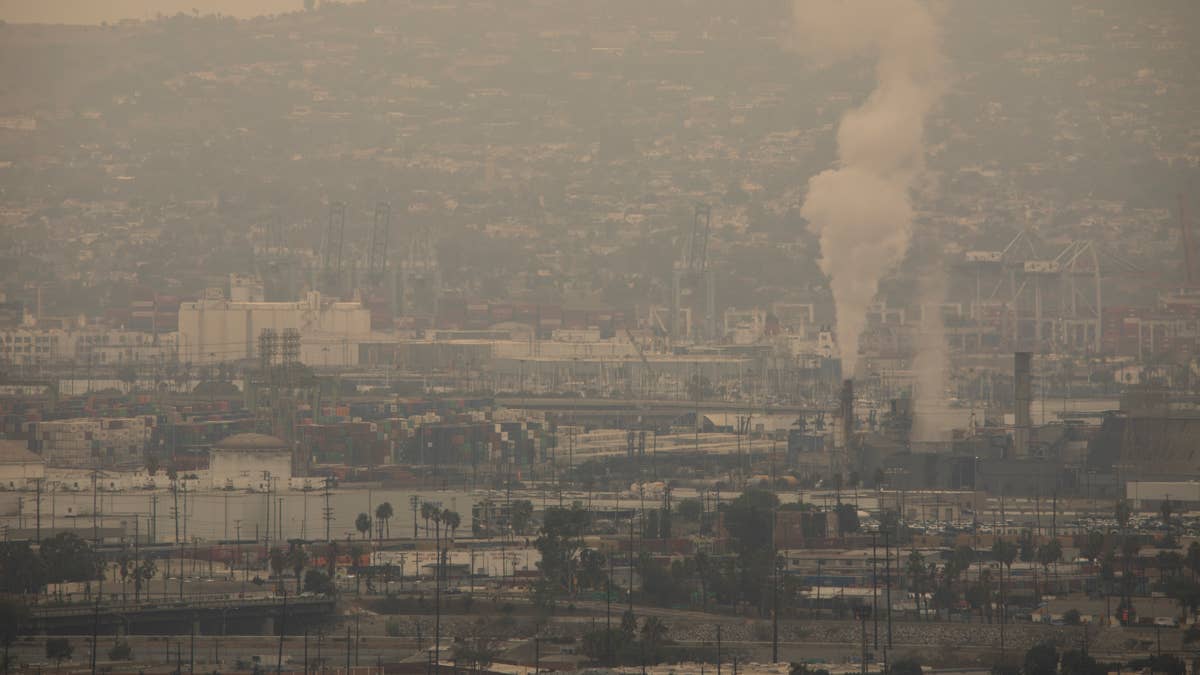
If you’re planning to get outside on Sunday—whether it’s a workout, yard work, or a long drive—think twice. The National Weather Service (NWS) has issued air quality alerts across parts of California and Arizona, warning people to “keep windows and doors closed,” through Sunday, as dangerous levels of ozone pollution build, creating conditions that can hit your lungs as hard as a bad cold.
Where the Alerts Are in Effect
Two major regions are under warnings:
Imperial Valley, California — including El Centro, Calexico, Brawley, and surrounding communities
Phoenix metro area (Maricopa County), Arizona
In California, local air officials warn of “harmful levels of ozone pollution” until Sunday evening, with peak concentrations expected in the afternoon and early evening.
In Arizona, the situation is similar. The Arizona Department of Environmental Quality (ADEQ) has issued an Ozone High Pollution Advisory through Sunday, warning that weather conditions and existing pollution will push ozone to levels that pose a health risk.
Why Air Quality Is So Bad Right Now
This isn’t random—it’s classic warm-weather smog season.
Ozone pollution (aka that hazy, lung-burning smog) doesn’t come straight from a smokestack. It forms when emissions from things like cars or industrial activity react in sunlight.
Here’s the formula in plain terms: Heat + Sunlight + Emissions = Smog
Vehicles, power plants, and chemical products release gases like nitrogen oxides (NOx) and volatile organic compounds (VOCs). These pollutants cook in strong sunlight, triggering chemical reactions that create ground-level ozone. Hot, stagnant weather patterns—like those currently sitting over the Southwest—trap the pollution near the ground.
Phoenix is especially vulnerable. Meteorologists say high pressure, strong sunshine, and light winds allow ozone to build up instead of dispersing, pushing levels into unhealthy territory.
The Real-World Impact: What It Does to Your Body
Breathing ozone-heavy air is like inhaling a mild irritant—except it’s hitting your lungs directly.
According to the Environmental Protection Agency (EPA), ozone can:
Inflame and damage the airways
Trigger coughing, chest tightness, and shortness of breath
Reduce lung function and make it harder to breathe deeply
Even healthy, active guys aren’t immune. In fact, if you’re running, cycling, or working outdoors, you may be pulling more of that polluted air into your lungs, increasing your exposure.
When It’s Most Dangerous
Ozone levels typically spike later in the day, especially during mid‑afternoon and early evening. That’s when sunlight has had hours to “cook” emissions into smog.
What You Should Do Right Now
This isn’t about panic—it’s about being smart.
1. Rethink Outdoor Workouts
Move runs, rides, or yard work to early morning or after sunset. The NWS is advising those in affected areas to scale back the intensity of any outdoor exercise if the quality of air dips into “unhealthy” levels.
2. Keep Indoor Air Clean
Close windows and doors, and run the AC or an air purifier. Skip candles, incense, or anything that adds indoor pollution.
3. Limit Exposure Without Killing Your Routine
If you have to be outside, make sure you take more breaks and watch for symptoms like chest tightness, coughing, or wheezing.
Although this is a short-term air quality issue, it’s not a harmless one. Between heat, sunlight, and emissions, the Southwest is seeing a perfect storm for smog, and it can impact anyone—not just people with asthma.
If you’re in Imperial Valley or the Phoenix area: Train smarter, stay aware, and don’t ignore what your lungs are telling you.
This story was originally published by Men’s Journal on May 10, 2026, where it first appeared in the News section. Add Men’s Journal as a Preferred Source by clicking here.