
Why this matters
San Diego officials are grappling with an ongoing affordability and housing crisis.
San Diego officials will consider cracking down on what they say are hidden and excessive fees tacked onto renters every month, including fees for pest control, trash collection and pets.
A San Diego City Council committee voted Thursday to move forward with drafting a new law, known as the residential rental price gouging, fee exploitation and cost transparency ordinance. The proposal will return to committee at a later date and requires two votes by the full City Council to take effect. County officials are expected to introduce a similar law next week.
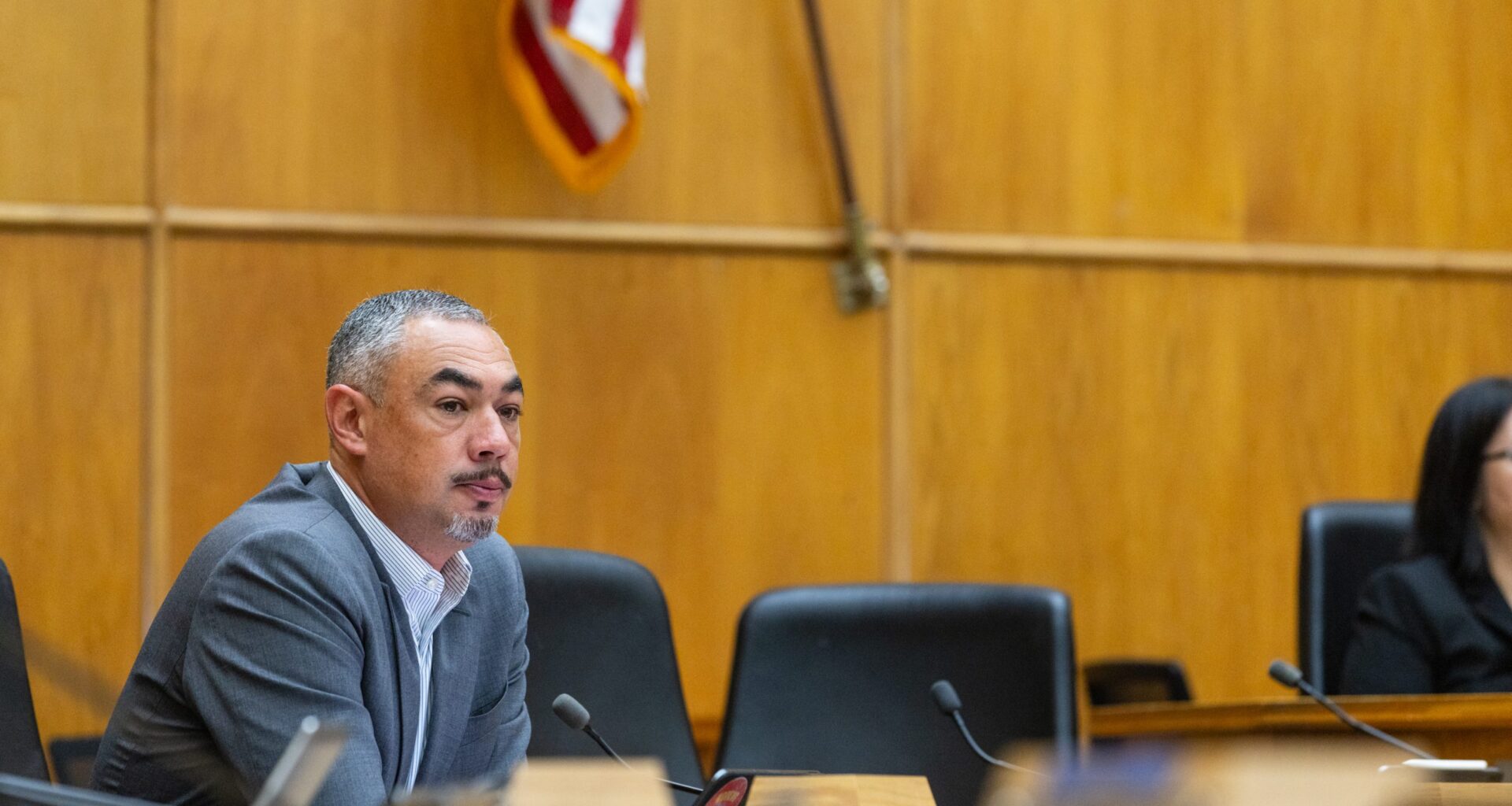
“One of the major, if not the biggest, contributing factors to skyrocketing cost of living in this city is the rent and cost associated with housing,” said Councilmember Sean Elo-Rivera, who brought the proposal forward.
This summer, San Diego passed a residential tenant utility fee ordinance, which prohibits housing providers from overcharging tenants for city-provided utilities.
“We heard from tenants that it was a great start, but utility fees were not the only way they were being exploited and nickeled and dimed,” Elo-Rivera added.
An inewsource investigation into illegal rent increases uncovered the frequency of add-on fees applied to tenants, also known as “junk fees.”
In 2020, state lawmakers set a cap on rent increases — 5% plus inflation, or 10%, whichever is lower — and some property owners started finding creative ways to get around the cap by imposing add-on fees. This includes new fees for water, sewer, trash, or parking — even a sudden requirement to obtain renters insurance.
The proposed ordinance aims to set clear rules on fees that can be applied to renters. That means:
Capping monthly fees at 5% of the total rent.
Banning fees for basic services that make the home livable, including pest control and trash collection.
Eliminating monthly fees to own a pet — not including a pet security deposit.
The proposal comes in the midst of an ongoing cost-of-living crisis in San Diego. Half of the city’s housing supply consists of rental units that are nearly full, and the lack of supply drives up rents. The average asking rent in San Diego is about $3,000, according to a Zillow analysis. And nearly every month, more people fall into homelessness for the first time than those who move off the streets and into housing.
More than 30 residents, property owners and managers, and industry experts signed up to speak during Thursday’s meeting with the Select Committee on Addressing the Cost of Living.
Ted Womack, with Alliance San Diego, asked officials to move forward with the proposal, saying he personally struggles with add-on water fees that push his monthly costs up to 75% of his income.
“We all know it’s expensive out here, but these kinds of fees make it even harder for San Diegans to have a home to live in,” he said. “And then we look up and we wonder why we have a homeless crisis.”
Gil Vera, with the Legal Aid Society of San Diego, said the increase in junk fees is a direct response of landlords trying to evade the statewide rent cap.
“The current system allows landlords to charge excessive and often hidden fees, making it even harder for families to budget and stay housed,” Vera said.
He urged officials to put some teeth into the ordinance by clarifying that any violation could be used as a defense in an eviction case, or by allowing tenants to recover costs and attorney fees.
“This will help cultivate a private market of attorneys to help enforce this ordinance at no costs to tenants,” he said.
But housing providers and industry experts made sure their presence was felt.
“I’m a small landlord in San Diego, really small,” Al Del Mastro said. “I live on the property and the more you regulate, the more expensive you make properties for us to rent or even survive.”
Steve Welty, a San Diego property manager, said the proposal mislabels “legitimate optional services as junk fees and price gouging.”
To allow pets in a rental is to accept risk, he said. “Renting a garage, that’s an extra service.”
Melanie Woods, with California Apartment Association, said the proposal oversimplifies a complex issue and will lead to unintended consequences.
“The goal of the ordinance appears simple: Undermine the ability of owners to recover legitimate operational expenses,” Woods said. “And the message is clear: San Diego is becoming a high-risk place to be a housing provider.”
After more than an hour of public comment mostly dominated by supporters of the proposal, Councilmember Henry Foster III said this is a much-needed conversation.
“San Diegans are struggling with living expenses, fee expenses, high rents and no real increase in income to balance the burden,” Foster said. “We’ve seen time and time again rents increase to the point of families seeking shelters, living out of their cars and leveraging emergency assistance to keep themselves stably housed.”
Elo-Rivera’s office will work with the city attorney to draft the ordinance and present it at a later committee meeting.
Type of Content
News: Based on facts, either observed and verified directly by the reporter, or reported and verified from knowledgeable sources.