
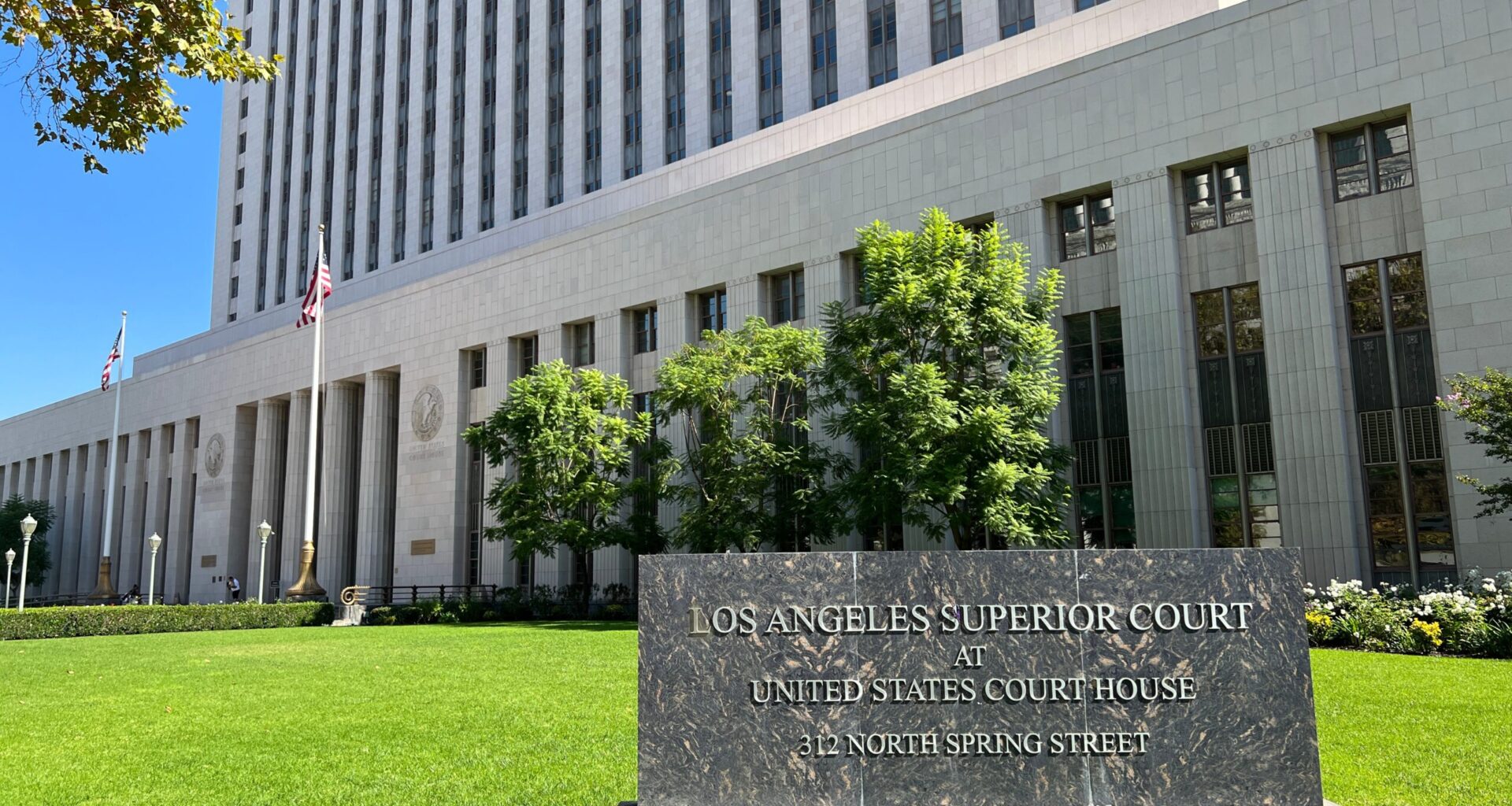
The Los Angeles City Council’s debate over a proposed $30 minimum wage for hotel and airport workers that could reshape the city’s tourism industry ahead of the 2028 Olympics
Los Angeles is once again staring down one of the most aggressive wage debates in the country. This week, the Los Angeles City Council is revisiting the controversial push toward a $30 minimum wage for tourism and hospitality workers, reopening a conversation that has already reshaped the city’s business climate ahead of the 2028 Olympics.
The proposal itself is not entirely new.
Last year, council members approved an ordinance designed to gradually raise wages for hotel and airport workers to $30 an hour by 2028, beginning with increases that would start around $22.50 per hour and climb annually.
What is different now is the mood surrounding it.
Los Angeles is entering a complicated economic moment. Tourism leaders continue to warn that the city’s hotel industry has not fully stabilized since the pandemic, while labor advocates argue workers still cannot afford to live in the same city they help operate every day. The Olympics may be approaching, but so are concerns over affordability, layoffs, automation and the long-term cost of doing business in Los Angeles.
The Olympic Clock Is Ticking
Supporters of the wage increase have framed the policy as an “Olympic Wage,” arguing that the workers preparing Los Angeles for a global event should not struggle to pay rent or work multiple jobs just to survive.
“The people welcoming the world to Los Angeles during the Olympics should not be struggling to survive in the city they help power every day,” said Councilmember Hugo Soto-Martínez, one of the proposal’s strongest supporters, during previous debates surrounding the ordinance.
That argument has resonated with labor groups throughout the city, especially in hospitality sectors where employees often rely on inconsistent schedules and service-heavy work environments. Advocates say the city cannot market itself as an international destination while many tourism workers remain priced out of the communities they serve.
Scroll to continue reading
Business owners, however, see the proposal very differently.
Hotel operators, airlines and tourism groups have spent the last year aggressively fighting the ordinance, warning that labor costs this steep could force businesses to cut staff, reduce hours or increase prices at a moment when Los Angeles tourism already faces pressure from inflation and slowing travel demand.
Some industry leaders even described the measure as an “economic tsunami” for local hotels.
The pushback became so intense that referendum efforts temporarily stalled parts of the ordinance shortly after its passage.
Why This Debate Feels Different Now
The larger issue hanging over City Hall is that California has already become a national testing ground for aggressive wage policy.
The state’s fast food minimum wage hike to $20 an hour sparked fierce political and economic debate over the past two years, with job cuts, reduced worker hours and rising menu prices as warning signs.
Supporters of higher wages counter that workers deserve compensation that actually reflects the cost of living in California, especially in Los Angeles, where median rents continue climbing while service jobs remain essential to the city’s economy.
And that is really what this conversation has become about.
Not just wages, but what kind of city Los Angeles wants to be heading into one of the most high-profile periods in its modern history.
As the city prepares for the World Cup, Super Bowl and the Olympics in rapid succession. Officials want Los Angeles to appear modern and worker-friendly but at the same time, business owners fear the city is becoming increasingly difficult to operate in, particularly for hotels already dealing with high insurance costs, staffing shortages and uneven tourism recovery.
For now, the debate continues at City Hall. But regardless of where the vote lands, the discussion surrounding a $30 minimum wage has already become something larger than a labor dispute.