
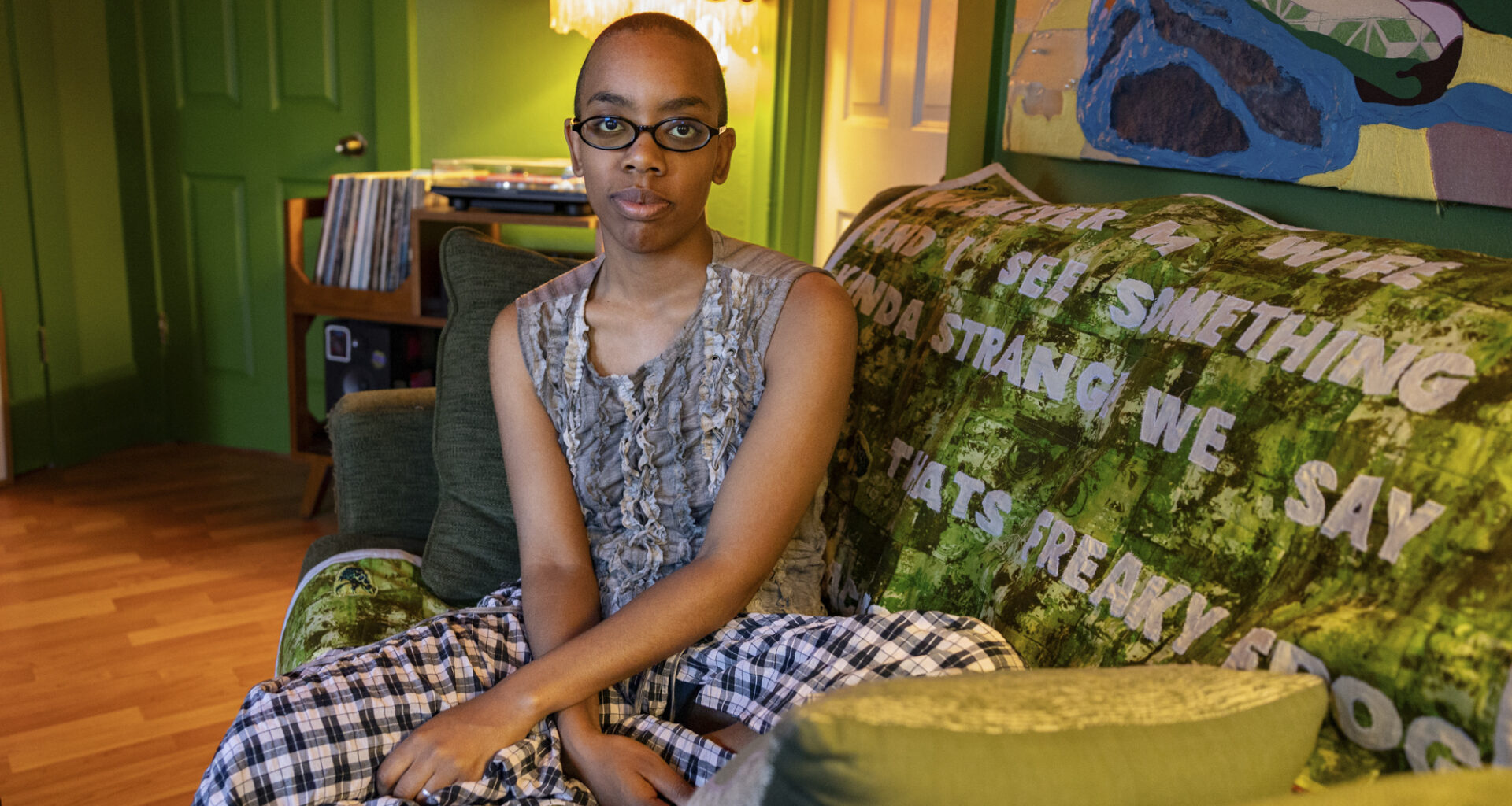
Advocates say that securing permanently affordable housing for artists is key to ensuring that the Bay Area can remain a cultural hub. Qiana Ellis, Artist Space Trust’s programs manager, sees a rare opportunity for artists to secure a permanent place in the region. “They’re calling it the Great Wealth Transfer,” she said.
Over the next two decades, an estimated $124 trillion will change hands nationally as Baby Boomers and members of the Silent Generation die and pass on their assets, according to the consulting firm Cerulli Associates. “We’re really in this point that may not happen for another 100 years,” Ellis said.
It’s mostly members of these generations who are bequeathing their homes to Artist Space Trust. Some of them are artists and most aren’t wealthy themselves; they bought their homes decades ago, when houses in the Bay Area went for around $23,000. Today’s average home price is over $700,000 in Oakland and over $1.3 million in San Francisco.
“They’re looking back on their lives and saying, ‘Wow, I see how difficult it’s gotten for artists,’” Ellis said. “‘I’m in conversation with younger generations, and I know that they cannot make their work in the same way that I could and be able to afford housing anymore.’”
Assessing artists’ needs
Artist Space Trust is the first organization in the nation to use a community land trust model to create permanently affordable housing specifically for artists.
The Berkeley nonprofit takes properties off the for-profit real-estate market and sells them well below market rate. Prices are set so that an individual making 60% to 80% of the area median income — roughly $65,000 to $87,000 — would spend no more than 30% of their monthly income on housing expenses. The organization is also working to create other home ownership opportunities, such as tiny homes and condos, for artists making below 60% of the area’s median income.
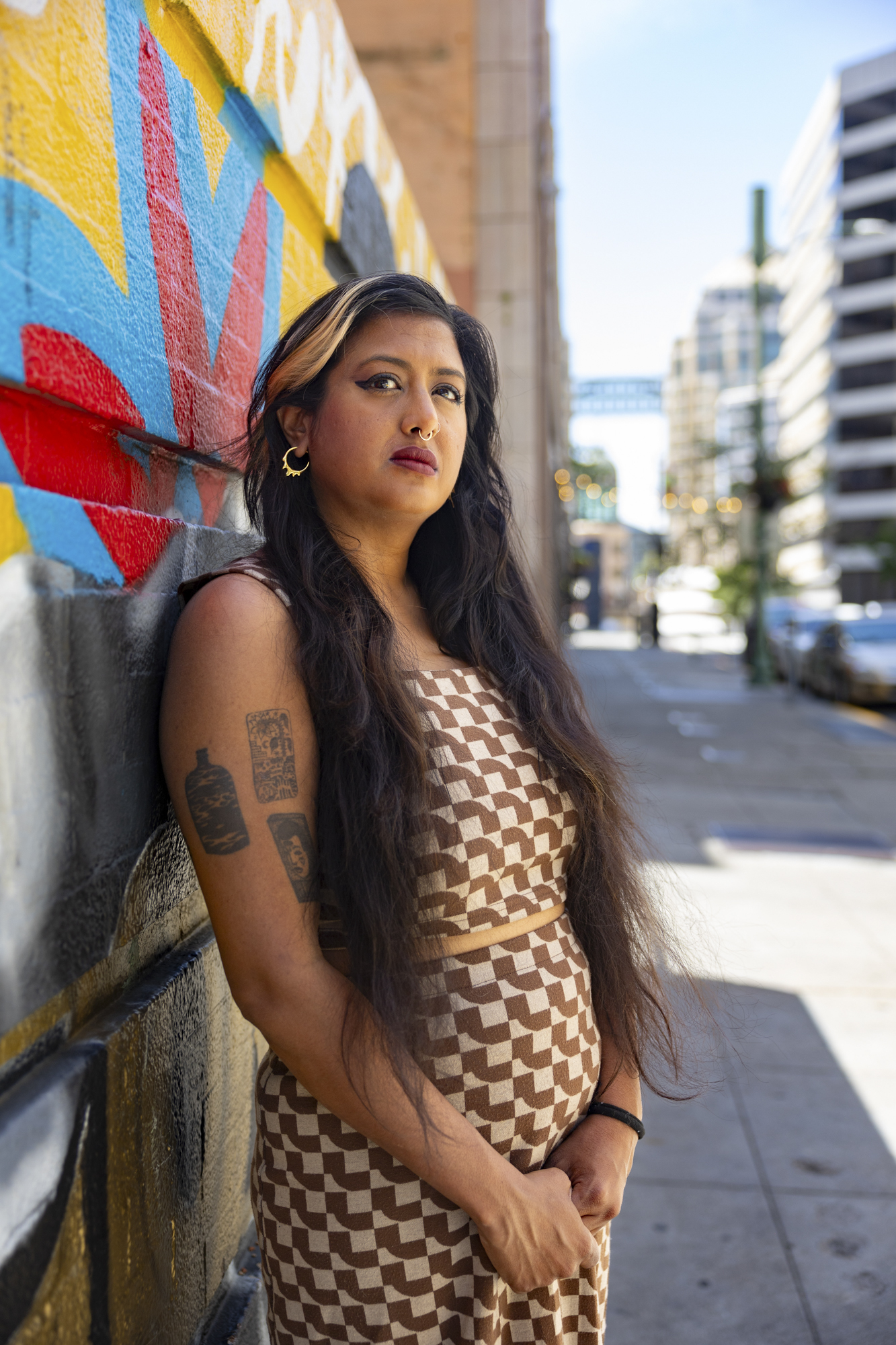 Sharmi Basu, Vital Arts director, poses for a portrait in downtown Oakland on May 11, 2026. (Gina Castro for KQED)
Artist Space Trust has $15 million in properties that have either been donated or will be in the coming years. Some are single-family homes while others are more unconventional, including a property with a house, a warehouse and enough room to build another unit. So far, in partnership with the Northern California Land Trust (NCLT), the organization has helped artists purchase homes by helping them take advantage of the CalHOME downpayment-assistance program. This year, Artist Space Trust will sell the first property from its own portfolio: a duplex in San Francisco’s Mission District that will go to two artist households.
The nonprofit is currently doing outreach at community events to educate local artists on different pathways to affordable housing; their next resource fair is on May 19. “The idea is that we start to get individuals, families and cooperatives ready for the opportunities that are coming,” Shiffler said.
Artist Space Trust is a partnership of NCLT and Vital Arts, an economic justice organization for artists that formed after the Ghost Ship fire. Vital Arts Director Sharmi Basu lost over a dozen friends in the tragedy; in the aftermath, they poured themself into organizing mutual aid for survivors.
Today, Vital Arts tackles affordability at several different levels. The organization helps artists cover basic living expenses through its Artist Displacement Prevention Grant, which gives out $3,000 in emergency assistance to artists facing eviction, homelessness and sudden rent increases. At its free Artist Legal Cafe, next happening on May 19, lawyers advise artists on tenants’ rights and other issues.
For Basu, helping artists get permanent housing through Artist Space Trust is a crucial part of the solution. While Artist Space Trust helps artists navigate the complicated financial logistics, Vital Arts will come in when it’s time to select potential homeowners for each housing opportunity.
There are the features of the property to consider — ceramicists will be prioritized for a home with a pottery studio, for example — but Basu also sees this as an opportunity to address inequality. They want to make sure these housing opportunities don’t just reach people from well-off backgrounds, but go to people from Black and brown communities who have historically been locked out of homeownership because of redlining and other racist policies.
“[We’re] making sure that equity is built from the foundation up in that selection process,” Basu said.
A movement for artist housing grows
The need for artist housing is inspiring efforts across the Bay Area.
Artists Hub on Market and Mercy Housing of California, two nonprofits, will soon begin construction on an 100% affordable San Francisco apartment building for artists that will include nearly 100 units, plus workspaces, a community center and a theater. Another nonprofit, Unity Council, has plans to develop the former Ghost Ship site in East Oakland into affordable housing, with 10% of the units set aside for artists.
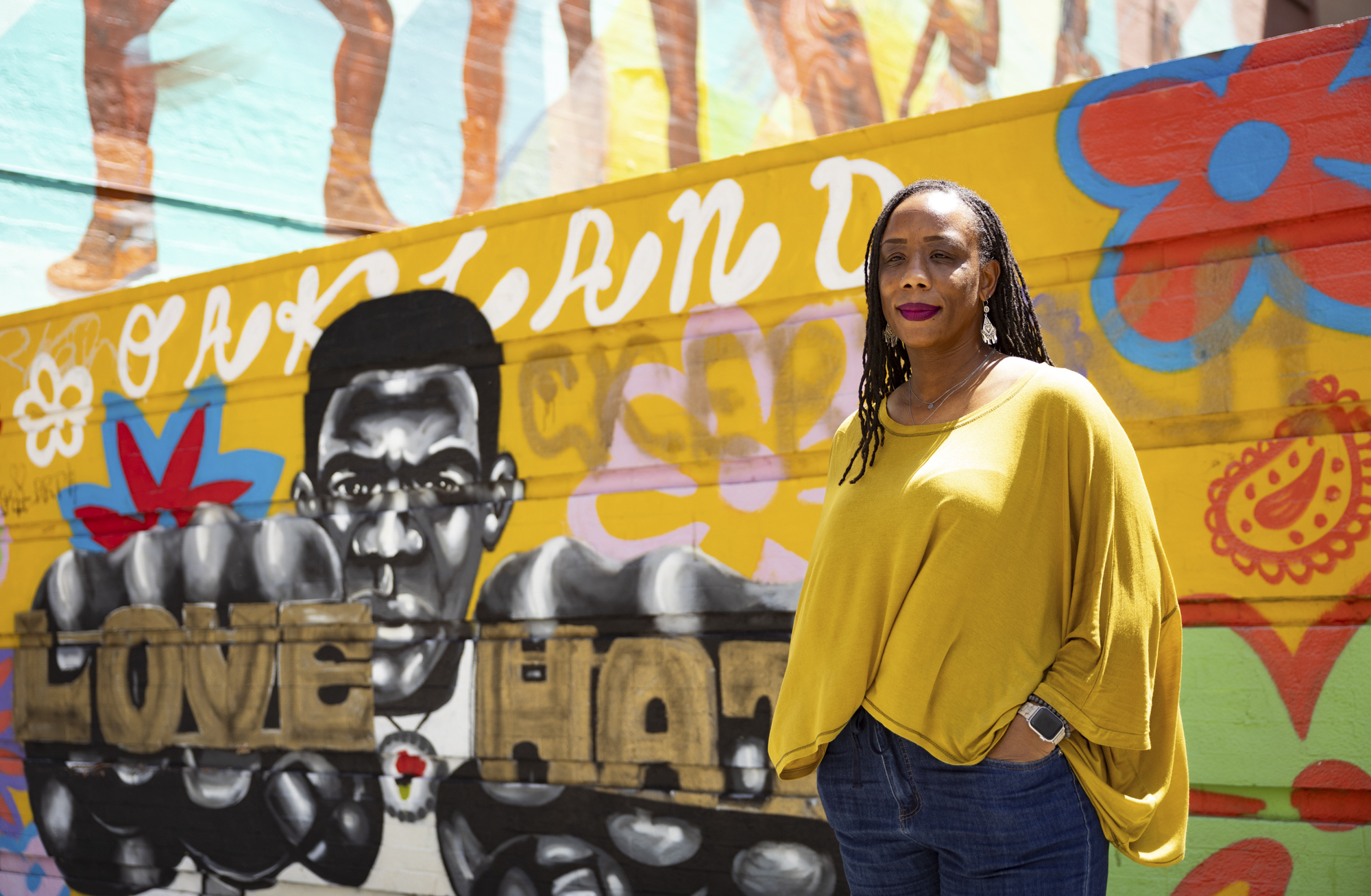 Rashida Chase, board chair of Vital Arts and cultural strategist for the city of Oakland, poses for a portrait in downtown Oakland on May 11, 2026. (Gina Castro for KQED)
Artists Hub on Market is slated for completion in 2028, and the Unity Council building is projected to begin construction that year. But building from the ground up is a lengthy process, so arts advocates are also exploring how to create affordable artist housing in existing properties.
Rashida Chase, board chair of Vital Arts, is a cultural strategist in Oakland City Councilmember Carroll Fife’s office. Chase lobbied the state to designate downtown Oakland’s Black Arts Movement and Business District as a California Cultural District, which opens up more housing opportunities.
Thanks to the 2023 state law AB 812, city governments can set aside 10% of locally required affordable housing units for artists within and around state-designated cultural districts, as well as within local cultural districts.