
As California businesses shoulder the state government’s unemployment insurance debt to the federal government, a Central Valley congressman filed a proposal Tuesday to push state leaders to pay up. California is the only state in the nation that has not paid back the federal government for the pandemic-era loan, a situation that critics note is causing a massive payroll tax hike for every single business operating in the state.(Previous coverage of the issue in the video above.)The Trump administration in 2020 provided California with $20 billion to cover unemployment costs during COVID-19. California leaders shut down schools and businesses during the pandemic and grappled with billions in fraudulent unemployment insurance payments, which resulted in the state’s need for federal help with unemployment insurance overall. Despite a nearly $100 billion budget surplus during the pandemic plus options that were available to use other federal COVID-19 relief funds to pay the loan back, Gov. Gavin Newsom and California’s Democratic-led Legislature held on to the money and put nothing towards the principal of the loan. The interest is adding up. The state will owe $22 billion by the end of 2026, according to data provided by the California Department of Finance and Employment Development Department on Tuesday. Every business in California is now shouldering the bulk of the debt, while the state’s government tries to chip away at the interest.The state has spent $1.8 billion on interest payments since 2021, according to the California Department of Finance.Since the state did not pay back the debt within two years, federal law requires the state’s employers to step in and pay. Each employer this year, regardless of the number of employees they have and whether they are part or full-time, will pay an extra $42 dollars per employee on their payroll taxes because of the debt. In 2027 the number increases to $63 and increases another $21 per employee every year until the debt is paid.Rep. Vince Fong, R-Bakersfield, filed legislation in Washington, D.C. on Tuesday to shift the burden back onto the governor and state Legislature. The proposal specifically would require states with outstanding federal unemployment insurance debt to repay that debt before spending eligible additional federal funds that they receive for any other purpose. Those eligible funds include future flexible federal funding, like the CARES Act or American Rescue Plan money. “What was intended to be a lifeline for unemployed workers during the pandemic has now left California with more than $18 billion in unpaid federal unemployment insurance debt,” Fong said in a statement. He used to be the vice chairman of the State Assembly’s budget committee before being elected to the U.S. House of Representatives. “Enough is enough. My legislation restores accountability, protects our local small businesses and farmers, and prevents California job creators from being punished for Sacramento’s negligence,” Fong said. Newsom’s proposed spending plan this year includes $668.3 million toward the interest. He acknowledged at a news conference last week nothing is going toward the principal of the loan, noting he has tried to push legislative leaders to help businesses with the payment. “It’s gotta be addressed, it’s real,” Newsom said. The governor is directing workforce agencies to come up with some strategies and solutions. “I don’t want to leave the next governor without those considerations,” he said. “It’s incredibly important.” See more coverage of top California stories here | Download our app | Subscribe to our morning newsletter | Find us on YouTube here and subscribe to our channel | Make KCRA a preferred news source in Google
As California businesses shoulder the state government’s unemployment insurance debt to the federal government, a Central Valley congressman filed a proposal Tuesday to push state leaders to pay up.
California is the only state in the nation that has not paid back the federal government for the pandemic-era loan, a situation that critics note is causing a massive payroll tax hike for every single business operating in the state.
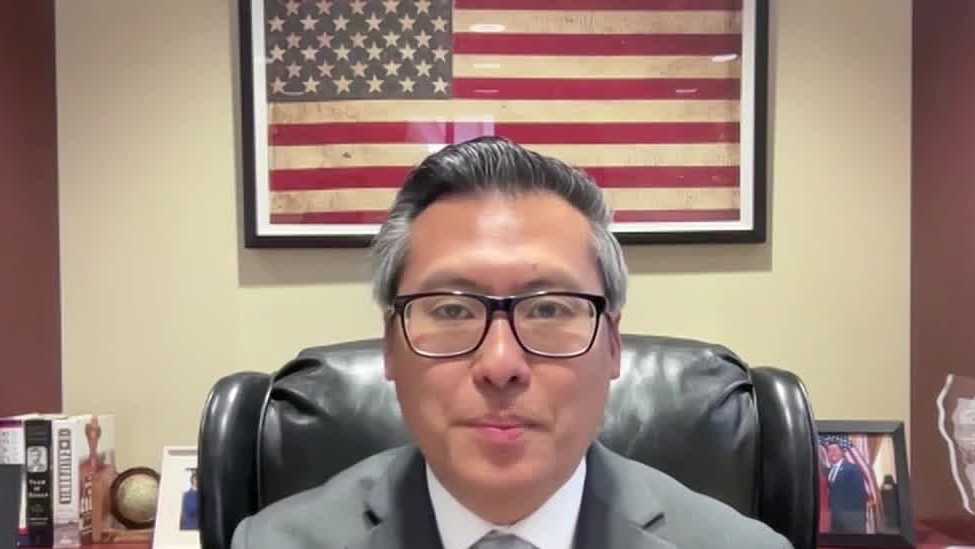
(Previous coverage of the issue in the video above.)
The Trump administration in 2020 provided California with $20 billion to cover unemployment costs during COVID-19. California leaders shut down schools and businesses during the pandemic and grappled with billions in fraudulent unemployment insurance payments, which resulted in the state’s need for federal help with unemployment insurance overall.
Despite a nearly $100 billion budget surplus during the pandemic plus options that were available to use other federal COVID-19 relief funds to pay the loan back, Gov. Gavin Newsom and California’s Democratic-led Legislature held on to the money and put nothing towards the principal of the loan.
The interest is adding up.
The state will owe $22 billion by the end of 2026, according to data provided by the California Department of Finance and Employment Development Department on Tuesday. Every business in California is now shouldering the bulk of the debt, while the state’s government tries to chip away at the interest.
The state has spent $1.8 billion on interest payments since 2021, according to the California Department of Finance.
Since the state did not pay back the debt within two years, federal law requires the state’s employers to step in and pay. Each employer this year, regardless of the number of employees they have and whether they are part or full-time, will pay an extra $42 dollars per employee on their payroll taxes because of the debt. In 2027 the number increases to $63 and increases another $21 per employee every year until the debt is paid.
Rep. Vince Fong, R-Bakersfield, filed legislation in Washington, D.C. on Tuesday to shift the burden back onto the governor and state Legislature.
The proposal specifically would require states with outstanding federal unemployment insurance debt to repay that debt before spending eligible additional federal funds that they receive for any other purpose. Those eligible funds include future flexible federal funding, like the CARES Act or American Rescue Plan money.
“What was intended to be a lifeline for unemployed workers during the pandemic has now left California with more than $18 billion in unpaid federal unemployment insurance debt,” Fong said in a statement. He used to be the vice chairman of the State Assembly’s budget committee before being elected to the U.S. House of Representatives.
“Enough is enough. My legislation restores accountability, protects our local small businesses and farmers, and prevents California job creators from being punished for Sacramento’s negligence,” Fong said.
Newsom’s proposed spending plan this year includes $668.3 million toward the interest. He acknowledged at a news conference last week nothing is going toward the principal of the loan, noting he has tried to push legislative leaders to help businesses with the payment.
“It’s gotta be addressed, it’s real,” Newsom said.
The governor is directing workforce agencies to come up with some strategies and solutions.
“I don’t want to leave the next governor without those considerations,” he said. “It’s incredibly important.”
See more coverage of top California stories here | Download our app | Subscribe to our morning newsletter | Find us on YouTube here and subscribe to our channel | Make KCRA a preferred news source in Google