
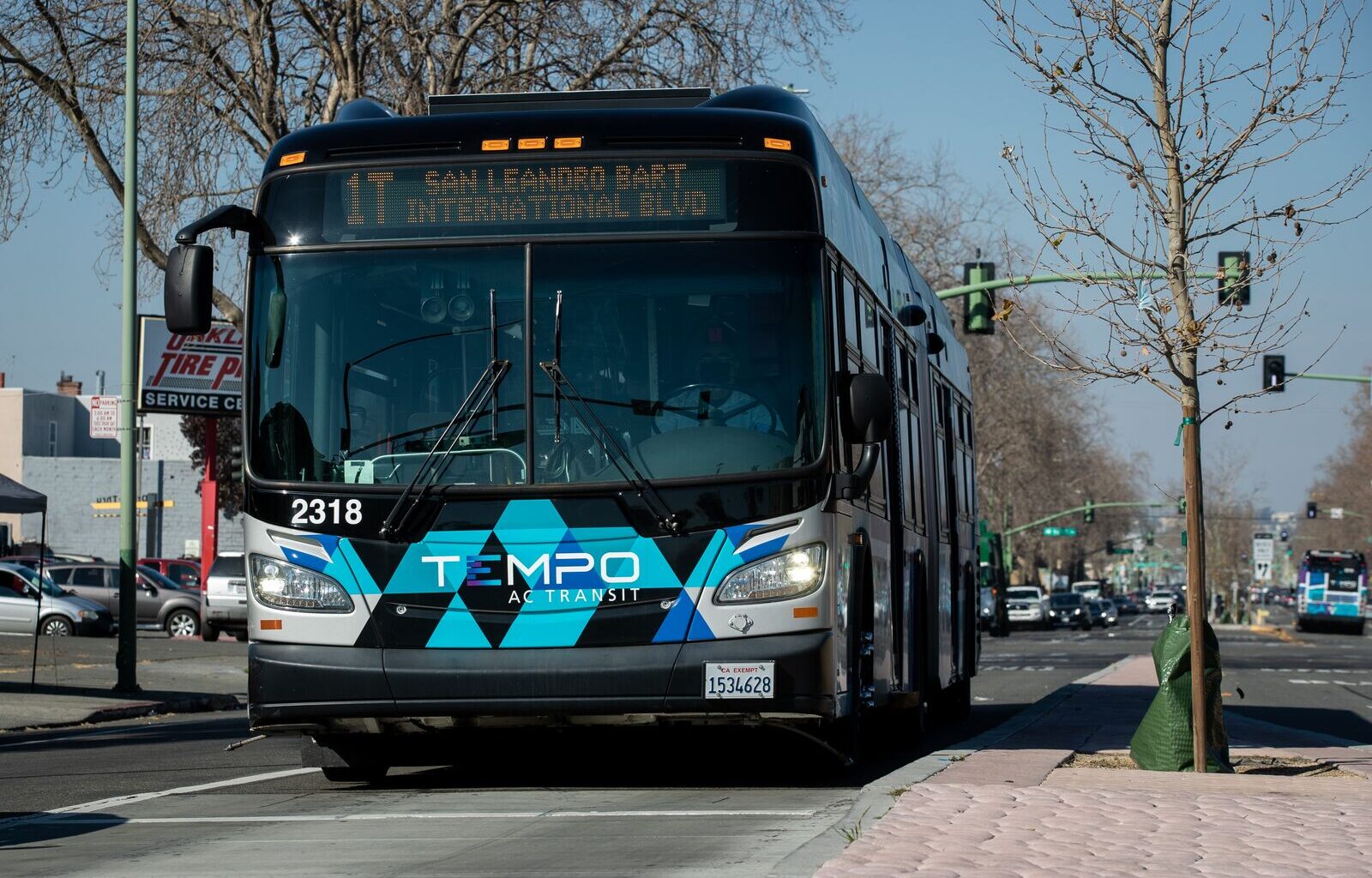
Global gas prices have ballooned over the last two and a half months as Israel and the United Statesʻ war on Iran has cut off access to billions of dollars in oil, leading to a $30-per-barrel price increase and a 50% rise in gas prices. In California, gas prices have gone over a $6 a gallon on average.
Here in Oakland, this spike in costs appears to be leading some people to make different choices about how they travel.
According to Oakland car dealerships we spoke with over the last few days, the last couple of months have seen an increase in sales of hybrid cars, which get much higher mileage. They haven’t seen a huge uptick in the sale of electric vehicles, which take no gas, though.
A sales representative from Oakland’s Honda dealership told us over the phone that sales of the Prologue, their only EV, have not been substantially different since February, but that sales of their several models of hybrids are going “great.”
At King Kog bicycle shop in downtown Oakland, a sales employee said the shop has seen an increase in electric bike sales and that people have “definitely” brought up gas prices as a reason to buy one. The employee said rebates like the one from Ava Community Energy have also helped. Other bike shops, such as The Towne Cycles in West Oakland, hasn’t yet seen high gas prices drive a surge in bike or electric bike sales due to gas prices. David Boone, the shop owner, said many of their clientele already use bikes to commute, but he said he has heard some customers say they want to get their bikes fixed to save money.
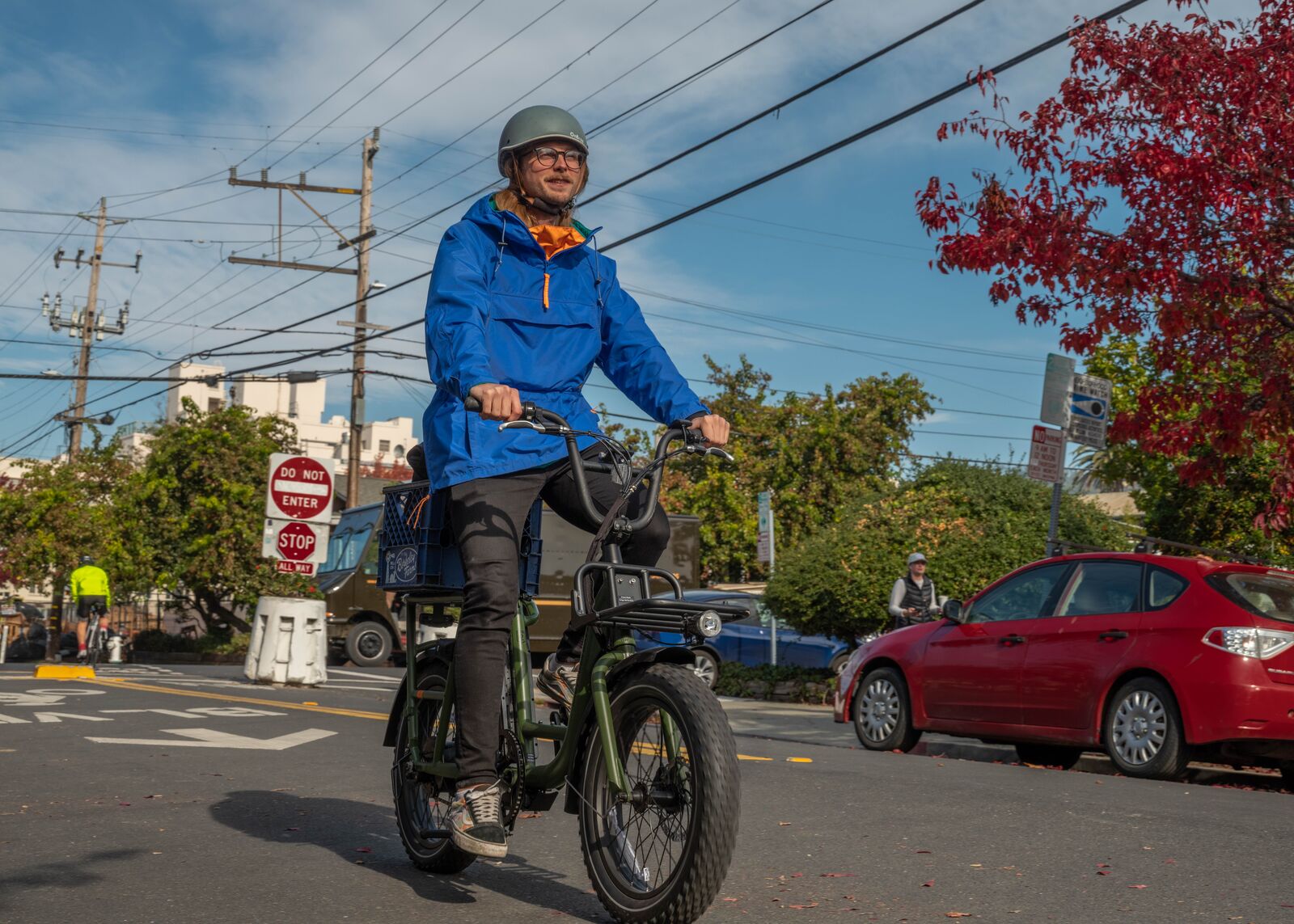 Emil Rofors rides his e-bike in South Berkeley in November 2022. Credit: Ximena Natera, Berkeleyside/CatchLight
Meanwhile, transit usage has experienced a noticeable uptick during the same period when gas prices have surged.
‘A major milestone’ in transit use
Last week, the Alameda-Contra Costa Transit District, or AC Transit, announced that the agency had seen the first year-over-year ridership increase over three consecutive months this decade, which the agency called “a major milestone in the East Bay’s transit recovery.” AC Transit said the data showed a greater demand across its service area.
The agency saw year-over-year increases of 6% in February to 192,875 riders, 8% in March to 270,247 riders, and 3% in April to 108,379 riders.
“The sustained ridership growth across February, March, and April reflects growing confidence in public transportation and underscores the essential role AC Transit continues to play in connecting East Bay residents to jobs, schools, healthcare, shopping, and recreation,” the agency’s communications director, Robert Lyles, said in a statement.
AC Transit did not attribute the changes to the higher gas prices that have followed the launch of the war on Feb. 28.
Salvador Llamas, AC Transit’s executive director, said that the surge in riders was “proof” that their new Realign bus network schedules, which added some bus lines and consolidated or removed others, were making the system more responsive to drivers.
“The refinements,” Llamas said, “are responding directly to what riders and frontline employees told us mattered most in their daily lives. From reliability and trip timing to stronger connections across the East Bay, we are seeing riders step on board with renewed confidence.”
AC Transit has previously said that only about a quarter of its riders have access to personal vehicles.
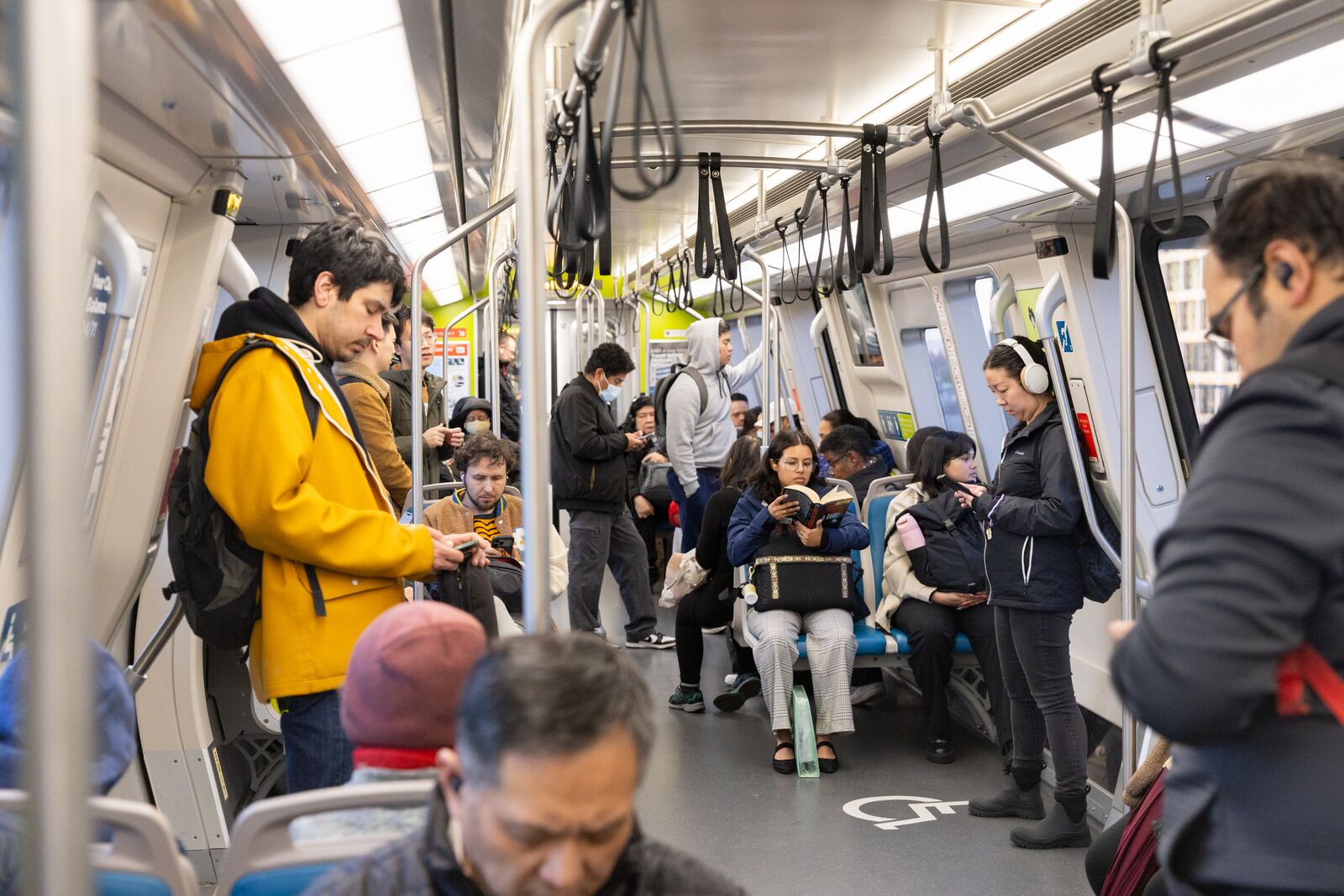 People ride BART on Feb. 19, 2026, just days before the US and Israel launched their war on Iran. Credit: Estefany Gonzalez for The Oaklandside
BART, the Bay Area Rapid Transit service, which serves several Bay Area counties, told The Oaklandside that the agency has seen healthy increases in ridership recently but that it was “hard at this point” to attribute them to rising gas prices.
From late 2025 to early 2026, they saw year-over-year growth of 10 to 13%, but then ridership ballooned by 20% in March, the first full month of the war. In April, the agency saw a 10.9% year-over-year increase in ridership.
Chris Filippi, a BART spokesperson, told The Oaklandside that the agency had seen the strongest correlation between increased ridership and large community events in the Bay Area, including concerts, sporting events, and other public gatherings. Filippi said the agency’s biggest day of the year so far was the San Francisco Giants’ opening day, on March 25, with 227,300 riders, and BART saw another surge during the closure of the I-80 highway, where it passes through San Francisco’s downtown, in mid-April. The agency is expecting high ridership for the World Cup games in Santa Clara in June, providing a special limited-express service after midnight for late-night matches.
The Oaklandside would like to know more about how you are changing your transit-choice behavior due to high gas prices. If the war continues and prices remain high throughout the summer, are you considering less summer car travel or shared-vehicle commutes? Are you thinking of renting or buying a bike or ebike? Are you saving money elsewhere? Please let us know at jose@oaklandside.org.
“*” indicates required fields