
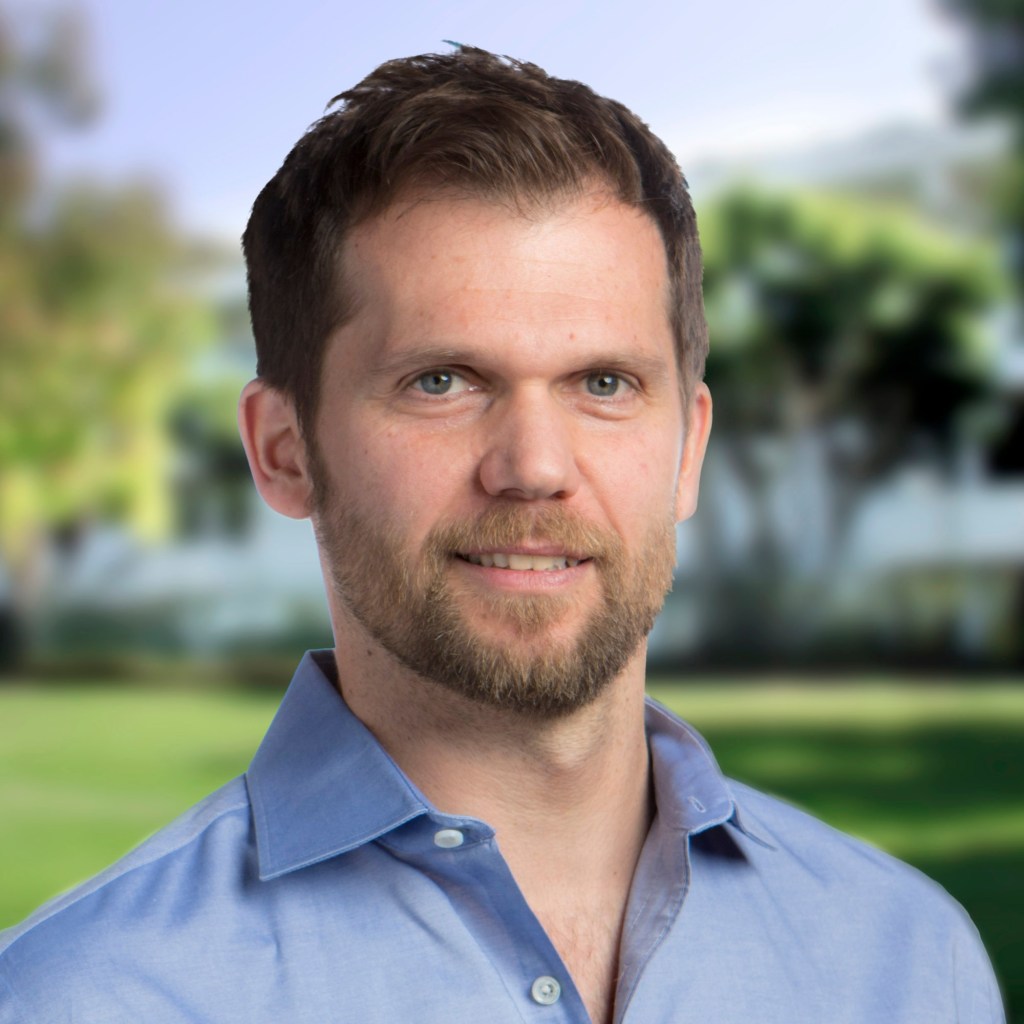
Scripps Research neuroscientist Giordano Lippi is the recipient of a $4 million grant from the California Institute for Regenerative Medicine (CIRM) to study haploinsufficiency, a condition where only one copy of a critical gene is functional, causing a range of neurodevelopmental disorders, including severe epilepsy that does not respond to treatment.
Lippi will work with two co-investigators at UC San Diego, molecular biologist Gene Yeo and Dr. Olivia Kim Mcmanus, a pediatric neurologist and epileptologist, over three years, using pluripotent stem cells to create cortical organoids. These structures made in the lab can mimic the function of brain cell networks, allowing a deep study of how genetic abnormalities affect neuron activity.
Organoids, researchers suspect, can provide the right environment to determine how to treat haploinsufficiency, which often involves the underproduction of key proteins due to only one of two gene copies functioning.
“We are developing a technology that can effectively ‘turn the volume back up’ on genes in which one copy has been silenced,” Lippi said in a statement. “By understanding how these genes are regulated and learning how to restore their protein levels, we hope to uncover new paths for treating complex neurodevelopmental disorders.”
Created in 2004 with the passage of Proposition 71, the institute was initially created in reaction to a federal ban on most research using human embryonic stem cells. The initiative sold $3 billion in bonds, allocating that cash to researchers across the state who have proposed using stem cells to study and treat a wide range of diseases.
Voters approved an additional $5.5 billion in funding for CIRM with the passage of Proposition 14 in 2020. To date, the organization states that the grant funding it has distributed has directly funded 116 clinical trials, also supporting an “alpha clinic” network of nine hospitals, including UCSD, which have themselves hosted more than 250 additional stem cell trials.