
PMI, the maker of ZYN, responded to the USC Study on underage use noting the study is has limitation and added that earlier this year the FDA concluded that nicotine pouch use among teens remains low despite increasing sales.
PMI Also provided this statement to NBC7:
“ZYN is intended as a better alternative for legal-age nicotine consumers who would otherwise continue smoking or use other traditional tobacco products—and is the only nicotine pouch authorized by the FDA as appropriate to protect public health. PMI’s U.S. businesses take under-21 access prevention seriously and have always been clear that no one under the legal age should have access to or use nicotine products.”
Original story:
Teens call it “zynning.”
Zyn is the most popular nicotine pouch brand in the U.S.
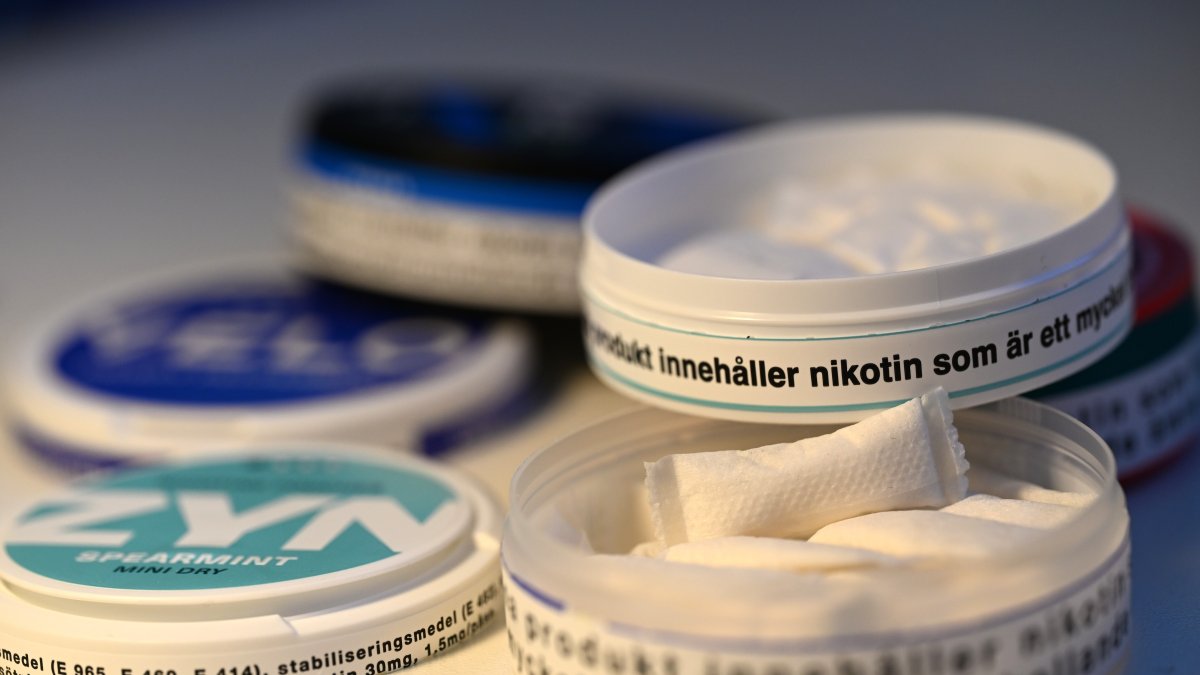
Like chewing tobacco, nicotine pouches sit tucked between someone’s gumline and cheek. It slowly releases nicotine but is tobacco free.
Nicotine pouches are supposed to be for adults 21 and older who would otherwise continue using tobacco, but USC researchers found out less than 1% of adults are using them.
They’re also relatively new to the US, joining the market in 2014. They used to be flavorless but once the FDA approved flavored pouches, Dr Natalie Laub with Rady Childrens Hospital, said teens started paying more attention.
“What we’ve seen over the past, I’d say, a little bit more than, 10-15 years is that the nicotine in tobacco industry is coming up with new products, especially those that are flavored,” said USC study senior author, Dr. Adam Leventhal. “When we see that, we typically see a spike in teen use of those products.”
Nicotine pouches are odorless and about an inch wide, so they’re easy to hide.
There are also “zyn-fluencers” who get paid to promote them.
“What we’re seeing is that popular influencers who are they may have a lot of, subscribers, including youth,” said Dr. Leventhal. “And it’s really hard to control and regulate, sometimes because, influencers may or may not disclose that they are, a paid, advertiser of the product.”
His study found boys are using these more than girls. Influencers are telling them it helps build muscle and have more energy, even that it’ll help their mental health.
“Living as a teenager in this time and age is very hard, and we often look for outlets to de-stress ourselves,” said Mt. Everest Academy Student, Vihaan Bhardwaj. “Unfortunately, those outlets have increasingly become addictive substances like nicotine and social media.”
What they don’t know, and researchers say they don’t know either because it’s still so early on, is what the long term damage could be.
“What you’re seeing online is not the truth about these products,” said Laub.
She sees a few cases a year with kids poisoned after swallowing nicotine and worries that might get worse if nicotine pouch trends get even more popular.
Bhardwaj wants his classmates to find better ways to manage their stress.
“What will actually help them with their mental health is getting social support, getting therapy, talking to their friends, building social connections and exploring their passions,” he said. “Even though those are a bit harder, and they’re not as instantly dopamine inducing, teens must know that these substances ultimately harm us.”
Leventhal has seen cases where people use 3 or 4 pouches at a time to try and feel a better buzz. They’ll even pair their pouches with vapes. He reminds them they’re doing so at their own risk.
Zyn responded to it’s products’ underage users:
ZYN is intended as a better alternative for legal-age nicotine consumers who would otherwise continue smoking or use other traditional tobacco products—and is the only nicotine pouch authorized by the FDA as appropriate to protect public health. PMI’s U.S. businesses take under-21 access prevention seriously and have always been clear that no one under the legal age should have access to or use nicotine products.