
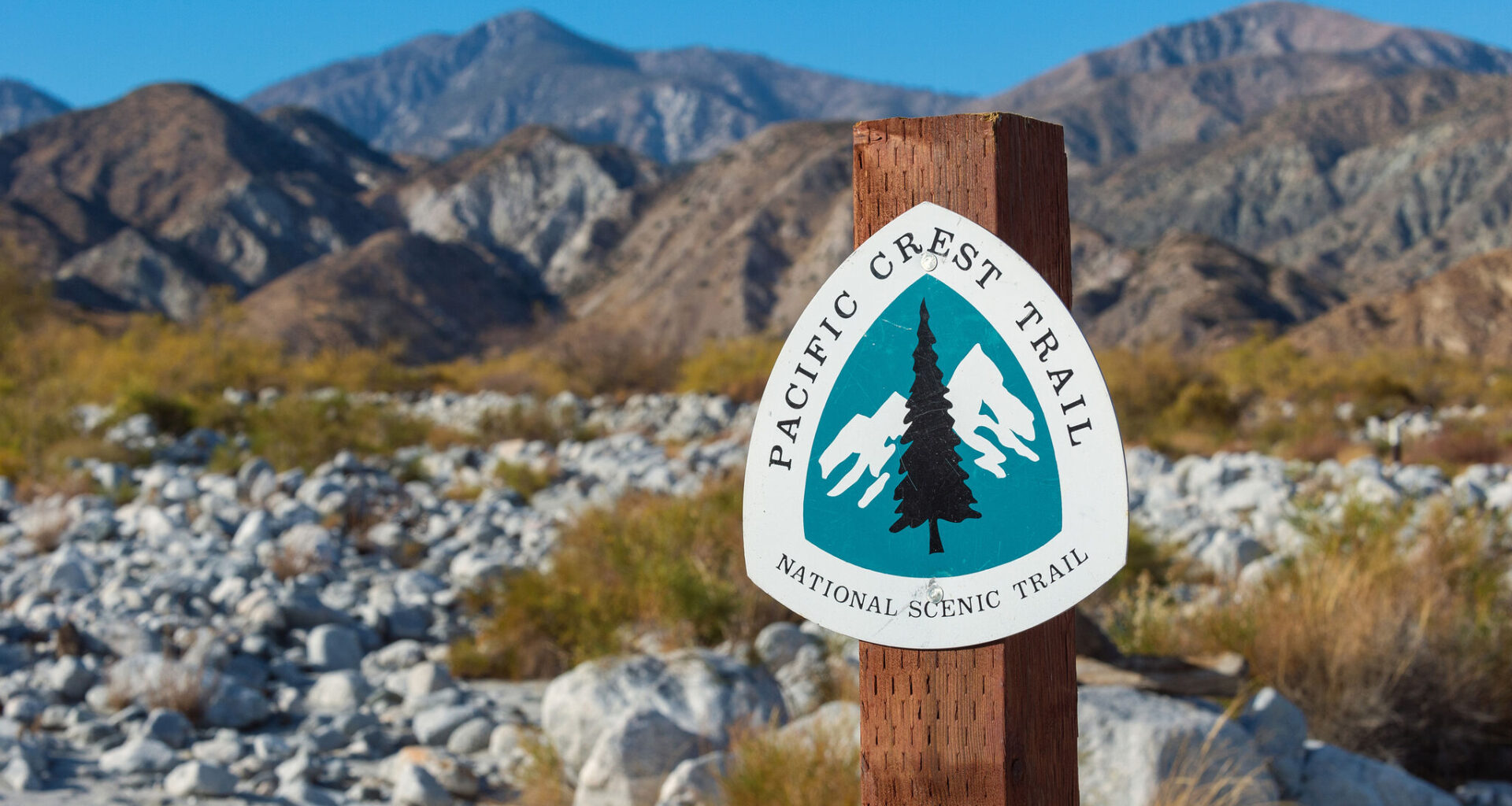
Reports of a fast-moving gastrointestinal illness have unsettled hikers along a Southern California stretch of the Pacific Crest Trail, where trail groups say multiple people have become sick near Wrightwood during the height of the northbound hiking season.
The Pacific Crest Trail Association said it is aware of reports of gastrointestinal illness in the Wrightwood area of San Bernardino County and is working with the county department of public health there as the agency assesses the situation.
The group said it would share public information when it becomes available.
The reports have circulated among hikers, trail volunteers and local groups since early May, with some hikers describing sudden vomiting, diarrhea and severe weakness — symptoms consistent with norovirus, a highly contagious stomach virus.
SFGATE reported last week that at least seven hikers had been diagnosed with norovirus after seeking medical care and that roughly two dozen others had reported symptoms. (SFGATE and the Chronicle are both owned by Hearst but operate independently.)
San Bernardino County health officials, however, have not publicly confirmed a broader outbreak or identified a source.
Some hikers and volunteers have focused attention on a water cache in Swarthout Valley, between Cajon Pass and Mount Baden-Powell, where trail angels leave supplies for long-distance hikers. But the source of the illness remains unclear, and some trail volunteers have said sick hikers may have arrived at the cache after already being infected.
Volunteers have since replaced shared water containers at the cache with sealed bottles, according to accounts circulated in the trail community.
The reports coincided with the time of year when most Pacific Coast Trail hikers head north from the Mexico border before the Southern California summer heat sets in.
Norovirus can spread through direct contact with an infected person, contaminated surfaces, or contaminated food or water. The Centers for Disease Control and Prevention says hand sanitizer does not work well against norovirus and recommends washing hands with soap and water.
The risk can be especially acute in the backcountry, where hikers often share tight spaces, limited water sources and shuttle rides while far from medical care. A 2022 outbreak in the Grand Canyon backcountry sickened at least 222 rafters and backpackers, according to the CDC.
The Pacific Crest Trail Association advises hikers who become ill to stay away from others, get off trail when possible, avoid contaminating shared spaces and seek medical help if symptoms are severe or dehydration develops.
The Pacific Crest Trail runs 2,650 miles from Mexico to Canada through California, Oregon and Washington.