
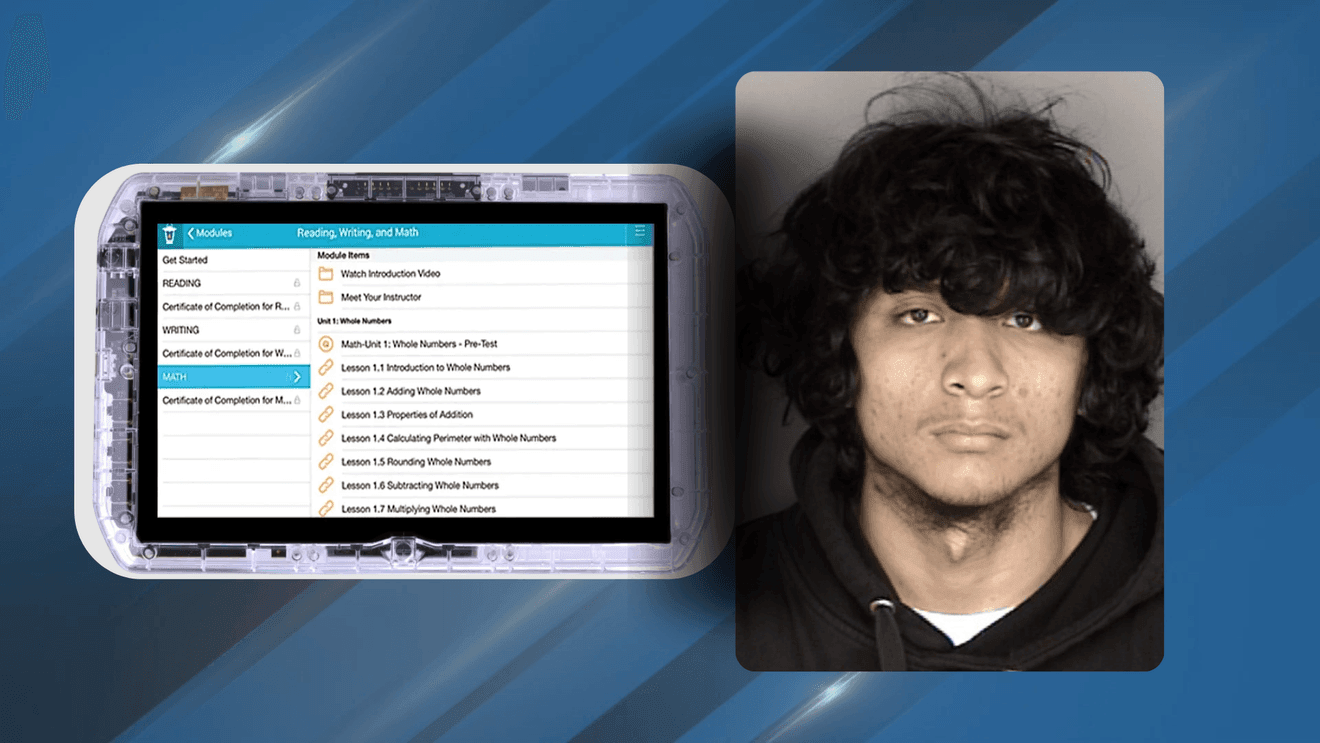
AVENAL, Calif. (FOX26) — Congressional Republicans have launched an investigation into California’s prisoner tablet program amid reports that some inmates used state-issued devices to access pornography and exploit women and children from behind bars.
About three years ago, tablets were given to inmates in the California state prison system to provide access to educational materials and increase communication with loved ones outside prison.
Congressional Republicans have launched an investigation into California’s prisoner tablet program amid reports that some inmates used state-issued devices to access pornography and exploit women and children from behind bars (FOX26).
Inmates are not given access to the internet, but they can use educational apps, audiobooks, communication tools and job-finding resources.

Inmates are not given access to the internet, but they can use educational apps, audiobooks, communication tools and job-finding resources (PHOTO: SECURUS TECHNOLOGIES).
Tablet use is supposed to be monitored by the prison system, but federal and state officials announced in April that at least one inmate has found ways around that monitoring.
The case highlighted in the scrutiny involves 21-year-old Avenal State Prison inmate Nathaniel Diaz, who was recently arraigned for using his prison tablet and phone to place thousands of calls with and receive sexual pictures of a 12-year-old.
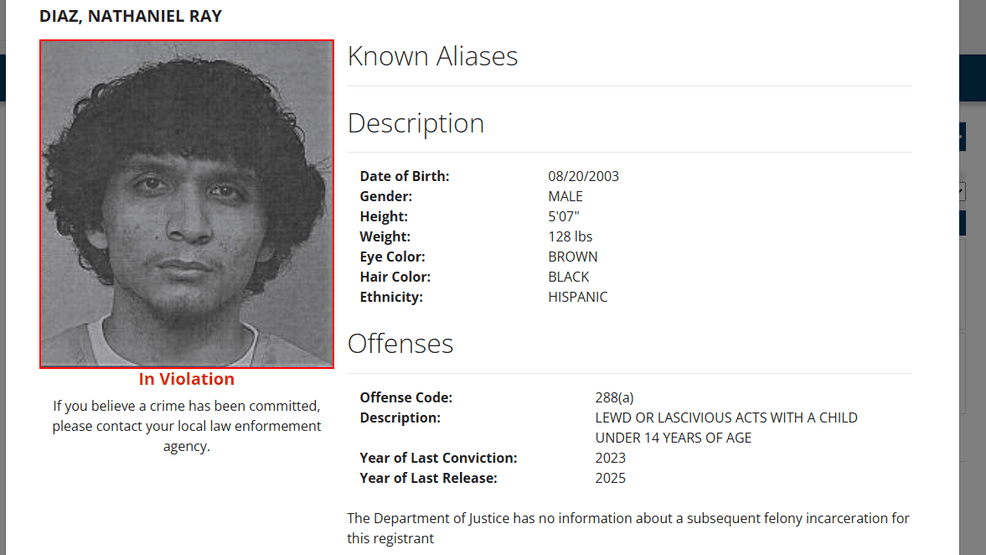
One case highlighted in the scrutiny involves 21-year-old Avenal State Prison inmate Nathaniel Diaz, who was recently arraigned for using his prison tablet and phone to place thousands of calls with and receive sexual pictures of a 12-year-old (PHOTO: CALIFORNIA DEPT OF JUSTICE, MEGHAN’S LAW).
Diaz was originally set to serve three years, but now faces more than 25 to 50 more years in prison if found guilty of using the prison tablet to commit sexual crimes with a child.
A separate investigation published by the City Journal and the California Post reported that dozens of death row inmates said prisoners “use their devices to watch pornography and have explicit sexual conversations.”
Governor Gavin Newsom’s office responded to the claims on X, calling the information false and saying “communications are monitored, recorded, searchable, and investigated.”
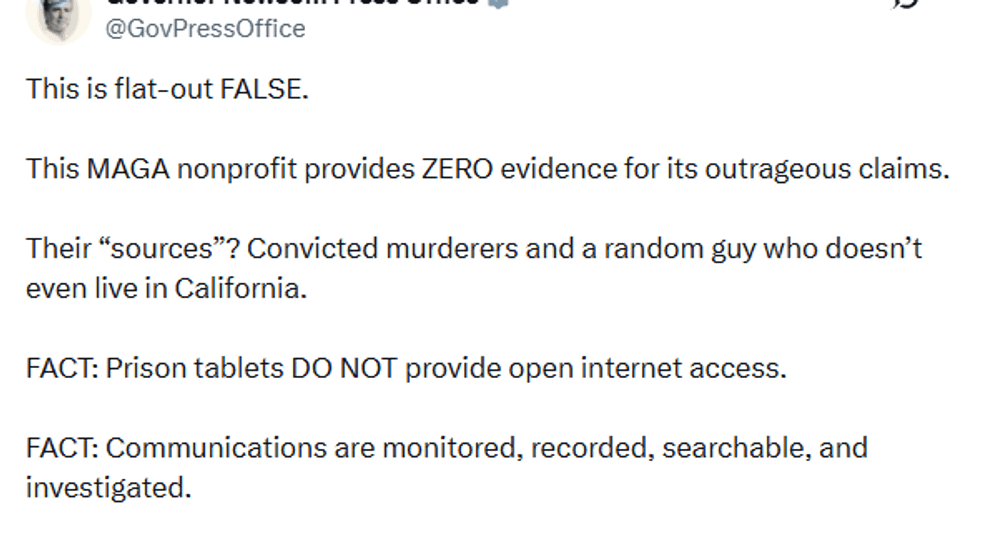
Governor Gavin Newsom’s office responded to the claims on X, calling the information false and saying “communications are monitored, recorded, searchable, and investigated” (PHOTO: GOVENOR GAVIN NEWSOM OFFICE ON “X”).
On Tuesday, leaders of the House Committee on Oversight and Government Reform wrote a letter to Newsom expressing concern “that California’s programs may be using taxpayer funds to perpetuate sexual violence” and said they are now looking into the program.
On Tuesday, leaders of the House Committee on Oversight and Government Reform wrote a letter to Newsom expressing concern “that California’s programs may be using taxpayer funds to perpetuate sexual violence” and said they are now looking into the program.
Click here to view the PDF file
The committee’s leaders are expecting five categories of information from the California state prison system by June 9:
All documents and communications among or between the CDCR, BSCC and any inmate tablet vendors regarding pornographic, criminal, or otherwise malicious use of state issued tablets by inmates;Documentation sufficient to show whether any federal funds were spent on the inmate tablet program, including a detailed list of fund recipients and subrecipients for all grants awarded to California via the Department of Justice, and all related itemized expenditure reports submitted to federal agencies;Documentation and communications sufficient to show that all inmate tablet activity is, as you claim, “monitored, recorded, searchable, and investigated”18 to ensure no misuse, including all monitoring reports, site visit records, and desk reviews conducted by CDCR, BSCC, or federal officials on subgrantees or grantees, and any corrective action plans issued to grantees or subgrantees;All documents and communications between the Office of the Governor of California and CDCR or BSCC regarding prisoner tablet misuses or criminal activity; andAll documents and communications regarding the restrictions on inmate usage of the tablet program tablet program.
Bianca Tylek, CEO of Worth Rises, said her organization recently released a report describing benefits of tablet access for incarcerated people, particularly for maintaining connections with loved ones.
“All of the correctional staff that we interviewed, from prison counselors to line officers to deputy wardens, 100% of them recommended that other agencies that haven’t yet introduced free communication and tablets, do it,” Tylek said.
Tylek said safeguards should be strengthened without ending the program for those using it appropriately.
“It is the responsibility of the correctional system, correctional contractors to ensure that the right safety and security protocols are in place and you know that those who are the overwhelming majority that are using it properly and benefiting from it for all of our benefits,” she said.
The tablets provide resources, but not everything is free.
The California prison system is changing tablet vendors, and costs are changing as well. Podcasts, e-books and audiobooks are free, and prisoners can get 30 minutes free per month of a video call, but additional video calling costs 10 cents per minute. One advocacy group noted that inmates typically make less than a dollar an hour, meaning the costs can add up quickly.
“These companies are owned by private equity firms that see them as recession proof, because incarcerated people are so desperate for something to do and for the means of connecting with people on the outside that they will spend and spend and spend and so will their families,” said Wanda Bertram of the Prison Policy Initiative.