
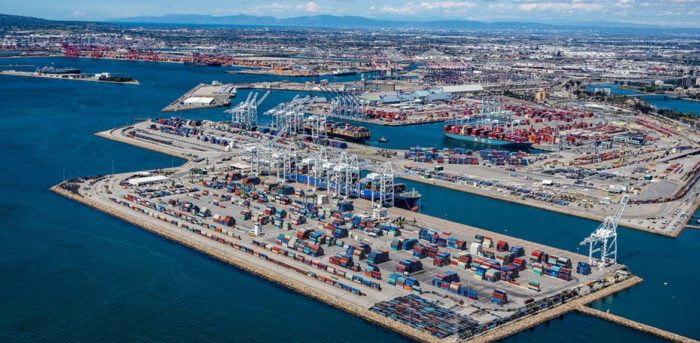
The Port of Long Beach is offering a $1 million incentive to the first oceangoing vessel to complete a commercial-scale methanol bunkering operation at the port, in a move aimed at accelerating the shipping industry’s transition toward lower-carbon marine fuels.
The initiative, known as the “Clean Fuel Bunkering Challenge,” was approved this week by the Long Beach Harbor Commission and is intended to stimulate investment in methanol bunkering infrastructure and supply chains in North America.
Port officials said the programme is designed to demonstrate market demand for cleaner marine fuels while encouraging shipowners and fuel suppliers to expand methanol availability in the region.
We know the shipping industry is considering moving toward adopting methanol marine fuel for some great reasons – they want to reduce greenhouse gas emissions and improve air quality. Today, we’re giving them 1 million more reasons to embrace clean fuels.
…said Dr. Noel Hacegaba, CEO, Port of Long Beach.
According to the Port, vessels operating on methanol can significantly reduce emissions of nitrogen oxides, sulfur oxides, and particulate matter compared with conventional bunker fuels. Major global carriers have already invested heavily in dual-fuel methanol-capable vessels, several of which are now calling at Long Beach.
However, despite the growing fleet, methanol bunkering infrastructure has yet to be established at the port, forcing vessels to continue relying on conventional marine fuel during port calls.
Under current market conditions, methanol bunkering is estimated to cost approximately $1.5 million per refueling operation, compared with around $1 million for conventional fuel. Port authorities said the financial award is intended to help offset the higher cost of methanol while also supporting associated operational, safety, and regulatory preparations required to conduct bunkering operations.
The incentive programme forms part of the Port of Long Beach’s broader strategy to support cleaner shipping technologies and alternative marine fuels.
The Port further explained that the initiative was developed in consultation with shipping stakeholders and was partly inspired by the availability of methanol bunkering at major international hubs including Shanghai and Singapore.
The move also takes inspiration from with ongoing Green Shipping Corridor initiatives linking the San Pedro Bay port complex with key Asian maritime trade routes, as ports and shipping companies seek practical pathways toward maritime decarbonisation.