
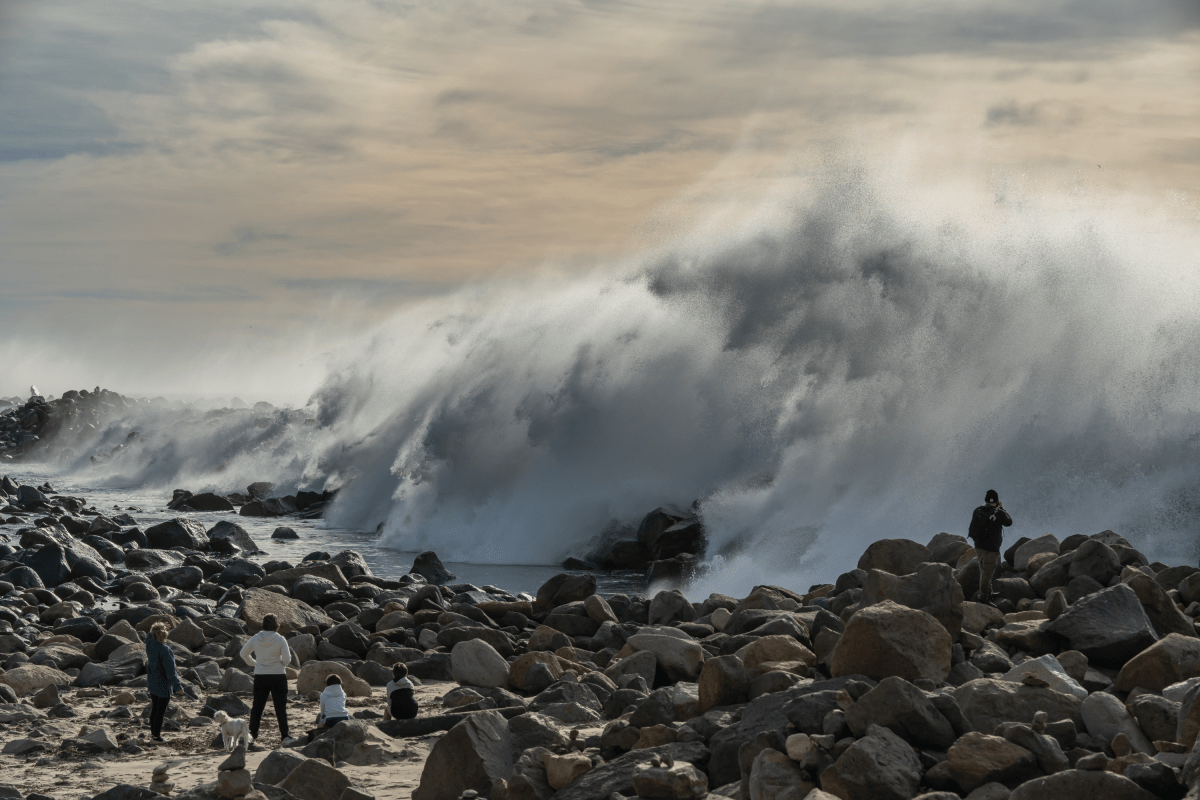
Thousands of beachgoers along California’s coastline are being urged to “remain out of the water” as forecasters warn of “dangerous swimming and surfing conditions” driven by powerful ocean swells.
The National Weather Service (NWS) has issued a Beach Hazards warning—which is in place until Tuesday morning—covering large stretches of the Pacific coast, including San Francisco, the Coastal North Bay (such as Point Reyes National Seashore), the San Francisco Peninsula Coast, Northern and Southern Monterey Bay, and the Big Sur coastline.
What’s Driving the Warning?
According to the NWS, the alert has been triggered by a long-period southwest swell, which is a series of powerful, widely spaced waves generated by distant Pacific storms. These conditions are increasing the risk of two major hazards:
Sneaker wavesStrong rip currents 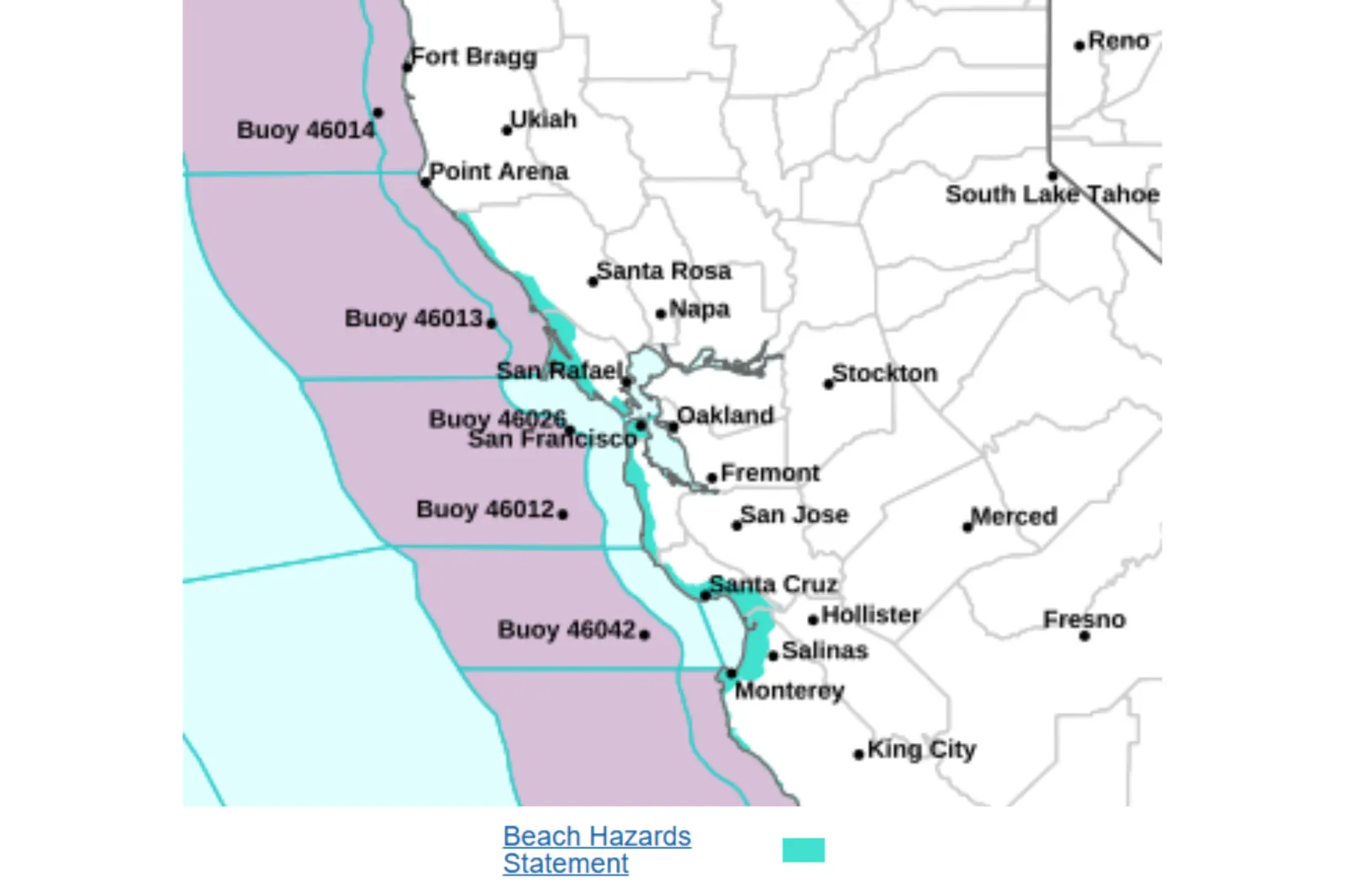 Why These Conditions Are Considered ‘Dangerous’
Sneaker waves, in particular, are known for their unpredictability and can suddenly surge far up the shoreline without any warning. These waves can wash across beaches, rocks, and jetties in seconds, knocking unsuspecting people off their feet and dragging them into the ocean.
Even experienced swimmers are vulnerable, particularly when combined with strong rip currents—fast-moving channels of water that can pull people away from shore and into deeper water.
What People Should Do?
The NWS is strongly advising the public to take precautions until conditions improve:
Stay off jetties, rocks, and piersAvoid entering the water entirelyNever turn your back on the oceanNever enter the water to try to save someone else, unless you have a flotation deviceMonitor local surf and tide forecasts for updates
The National Oceanic and Atmospheric Administration (NOAA) advises that if someone is caught in a rip current, they should try to follow the coastline, rather than fighting the current and waves to get back to shore.
The Wider Risk of Beach Hazards in the U.S.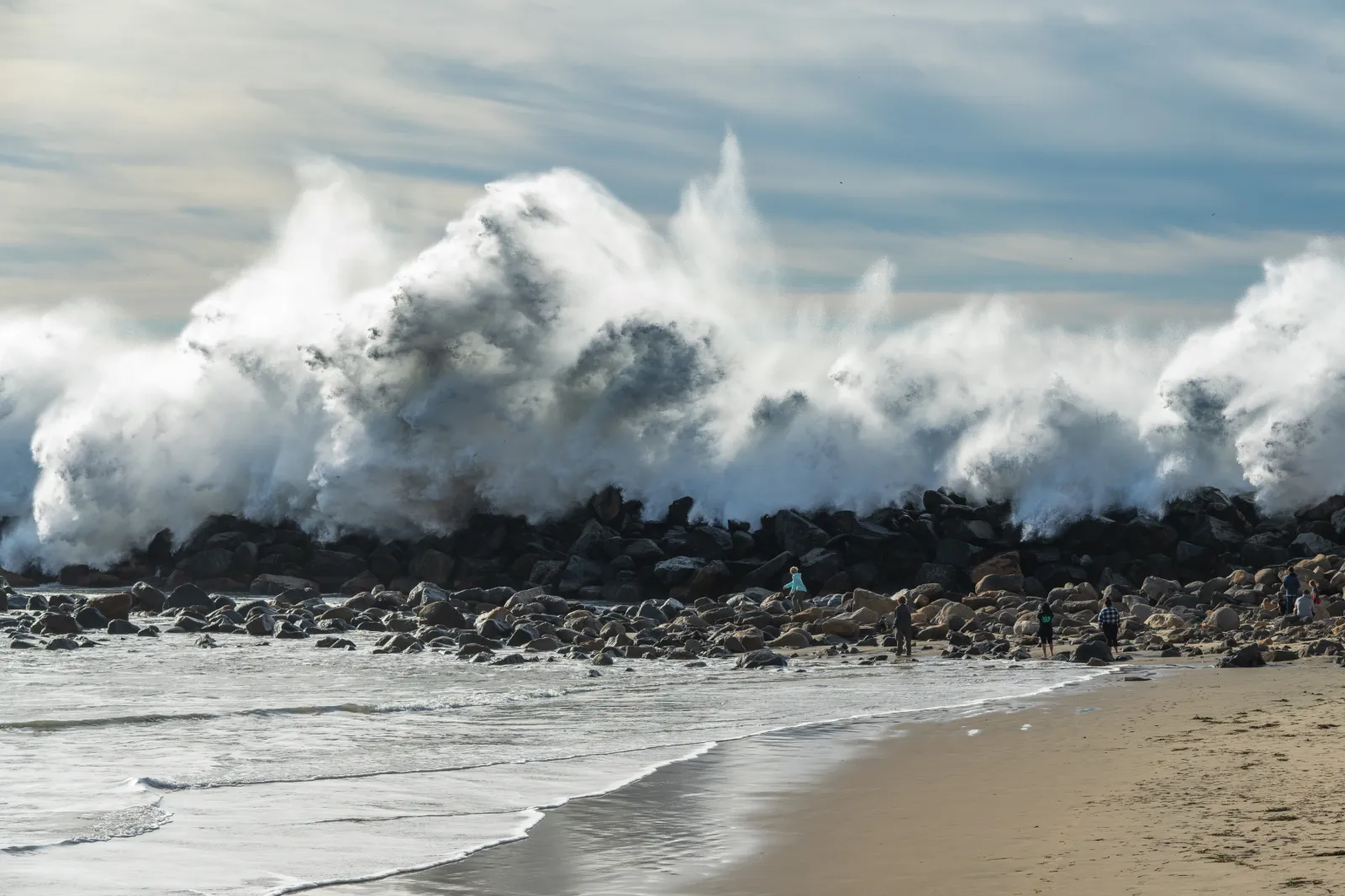
Although incidents vary from year to year, federal safety guidance says that beach hazards—including rip currents and dangerous surf—pose a significant risk nationwide.
Data from the United States Lifesaving Association, cited by NOAA, shows that over 100 people in the U.S. die each year from being caught in rip currents, and they account for more than 80 percent of beach lifeguard rescues.
In addition, the NWS warns that sneaker waves—despite being less well-known—have caused numerous injuries, because they can strike suddenly and without warning. In one case, a surfer was left quadriplegic after a powerful wave, which came out of nowhere, slammed him into the sand, later warning that “those big waves, suddenly popping up near the shore, can be life-changers.”
A Reminder Ahead of Peak Beach Season
The latest warning comes as warmer weather draws more people to California’s beaches, increasing the risk of exposure to hazardous surf.
Officials say the safest option during this alert period is to stay well back from the shoreline and avoid the water altogether
With the advisory in effect until Tuesday morning, beachgoers are being urged to treat the warning seriously—and remember that even a single unexpected wave can turn a day at the beach into a life-changing situation.