
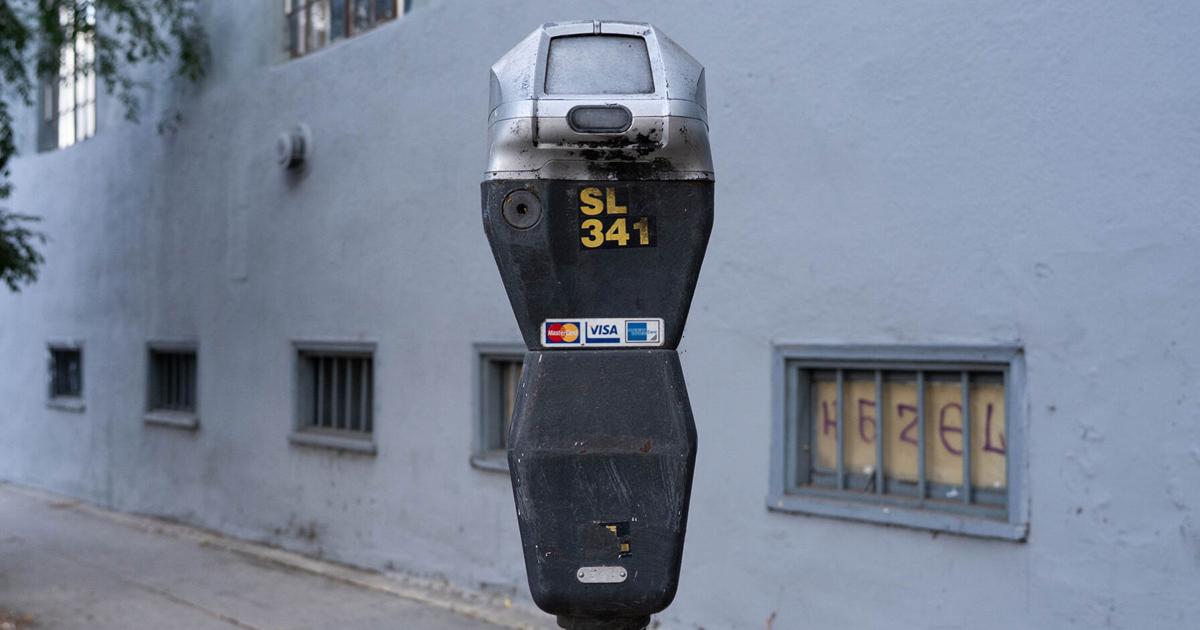
On May 19, the city of Berkeley held a public hearing to discuss proposed changes to parking infrastructure across the city. Those changes include addressing parking demand and updates to the schedule of fines and Residential Parking Permit Fees.
Currently, a citation for an expired meter is $43and a citation for a street sweeping fine is $49. The increase would bring an expired meter fee to $64 and a street sweeping fine to $73.
A City Council report from the public hearing cites, “the City’s Parking Meter and Off-Street Parking Funds are currently facing a projected structural deficit, necessitating a transition toward more sustainable and technologically modern management models.”
The city justifies the increase due to inflation, while also noting that the new fines are still lower than those of San Francisco’s. The increase in fines is expected to generate an annual revenue of approximately $2.87 million.
Various permit prices are also set to increase. For example, an annual residential and in-home care pass will increase from $85 to $100 for the first permit. A one-day visitor pass will increase from $4 to $5, and a merchant pass will increase from $190 to $195.
Proposed changes to address demand include extending parking meter hours to 8 p.m. and operating parking meters on Sundays. The city is also exploring expanding meters in locations such as the 3102 block of Telegraph Avenue and 1939 block of Ward Street.
According to a presentation by the Berkeley Public Works Department, extending metering hours is projected to bring in more than $1 million in revenue.
Currently, the city pays credit card fees on parking meters. If approved, the $0.35 fee will be passed onto the customer.
The city surveyed the public and found that more than 50% of respondents were in agreement with the core objectives of the adjustments. The city lists the core objectives as “improving parking availability near popular destinations” and “reducing greenhouse gas emissions by decreasing vehicle ‘circling.’”
According to the report, more than 70% of respondents supported the transition to mobile payment technology, 47% of respondents supported passing the credit card fee onto the customer and 43% of respondents supported extending operation to Sundays.
No decisions have been made about any of the proposed changes, and the city will continue discussion on June 9. If passed, the changes would be implemented in fiscal year 2027. Throughout fiscal years 2027 and 2028, the city will slowly make the transition to cashless meters.