
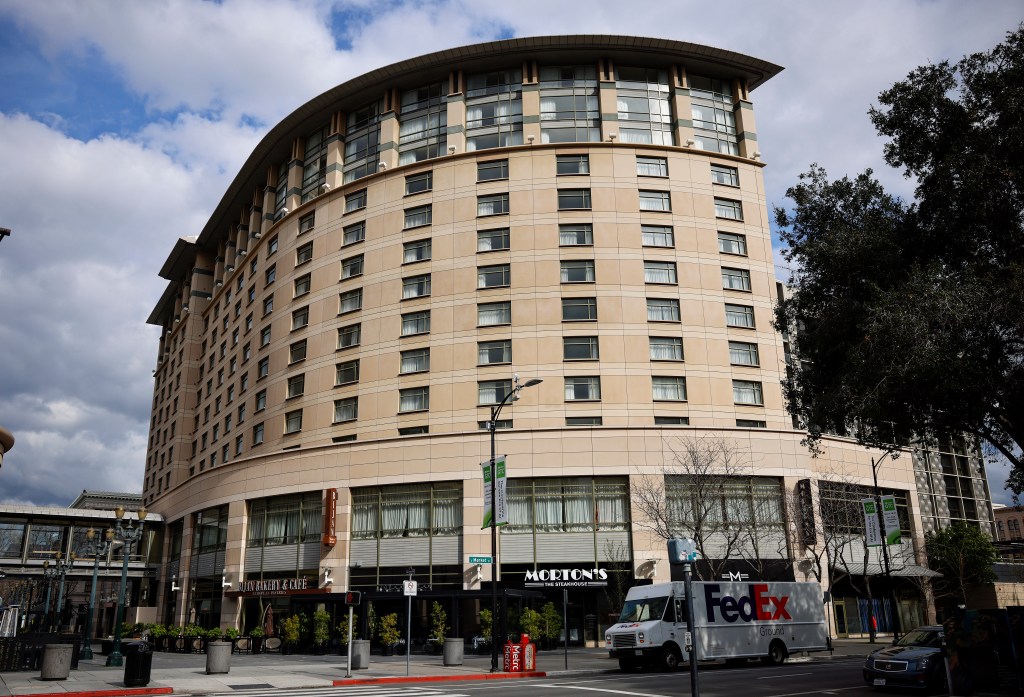
San Jose’s Measure A, a proposed hotel tax increase to help fund essential city services, is showing strong support with 66% of the vote as of 9:50 p.m. Tuesday, based on initial returns. Around 18% of ballots across sent out across Santa Clara County have been tallied so far, according to the registrar of voters.
If approved, Measure A – which requires support from more than half of voters to pass – would raise San Jose’s hotel tax from 10% to 12% starting Oct. 1. The tax would be added directly to room bills and apply to more than 80 hotel properties citywide, as well as over 2,100 active Airbnb and Vrbo listings.
The city’s current proposed budget is operating under the presumption that the measure will pass. If it does not, it could widen the city’s current deficit from $50.3 million by another $10 million.
City officials pitched the measure, officially known as the transient occupancy tax, as a way to raise money for critical public services without asking residents to pay more.
Tuesday’s initial results largely reflect early voting via mail-in ballots, meaning tight races and ballot votes could still flip as the Santa Clara County Registrar of Voters continues to count and verify provisional votes and last-minute mail-in ballots in the coming weeks.
While councilmembers and the community showed broad support for the transient occupancy tax earlier this year, critics say the increase will squeeze hotel owners and make San Jose less competitive for the tech conferences and business travelers that drive the local economy.
Last month, city officials warned that without the measure’s passage, San Jose residents could lose Sunday library hours and downtown police patrols, among other significant cuts to programs and services.
In Mayor Matt Mahan’s June budget message released Monday, he identified the non-passage of the tax measure as among the “inherent risks to the city’s stability.”
“Together, those risks could create significant additional pressure on the General Fund, underscoring the need for continued fiscal restraint and responsible budgeting,” he said.
Aside from eliminating library hours and police patrols, the plan, if the tax measure fails, also calls for cutting assistance for low-income residents to pay for required tree and sidewalk repairs and slashing an additional 40 to 49 positions – a move officials warned would noticeably reduce city services and impact current employees.
Supporters hope Measure A will expand the revenue potential of events like the Nvidia 2026 GTC conference in March, which drew thousands of visitors, triggered a spike in hotel bookings and filled downtown cafes, restaurants and bars.
Beyond arguments for or against new revenue-generating measures, the measure drew skepticism from some arts advocates. Because the city did not lock in strict legal rules for spending the new funds, even though the hotel tax has historically helped fund local arts programs, leaders could technically divert the cash to other priorities later.
The San Jose Chamber of Commerce got on board with the tax, though its push to lock in a promise that the city would put the new money back into the sports and entertainment businesses that help earn it didn’t make the final cut.
While groups such as the Silicon Valley Taxpayers Association assert that while costs aren’t passed to residents, the city risks losing its “competitive advantage” in the convention market. The association, instead, encouraged the city to audit current expenses to identify more potential line-item cuts.
The results of Measure A will weigh heavily on the San Jose City Council as they are expected to vote on the final adoption of the budget by June 9, with a final public hearing the day before.