
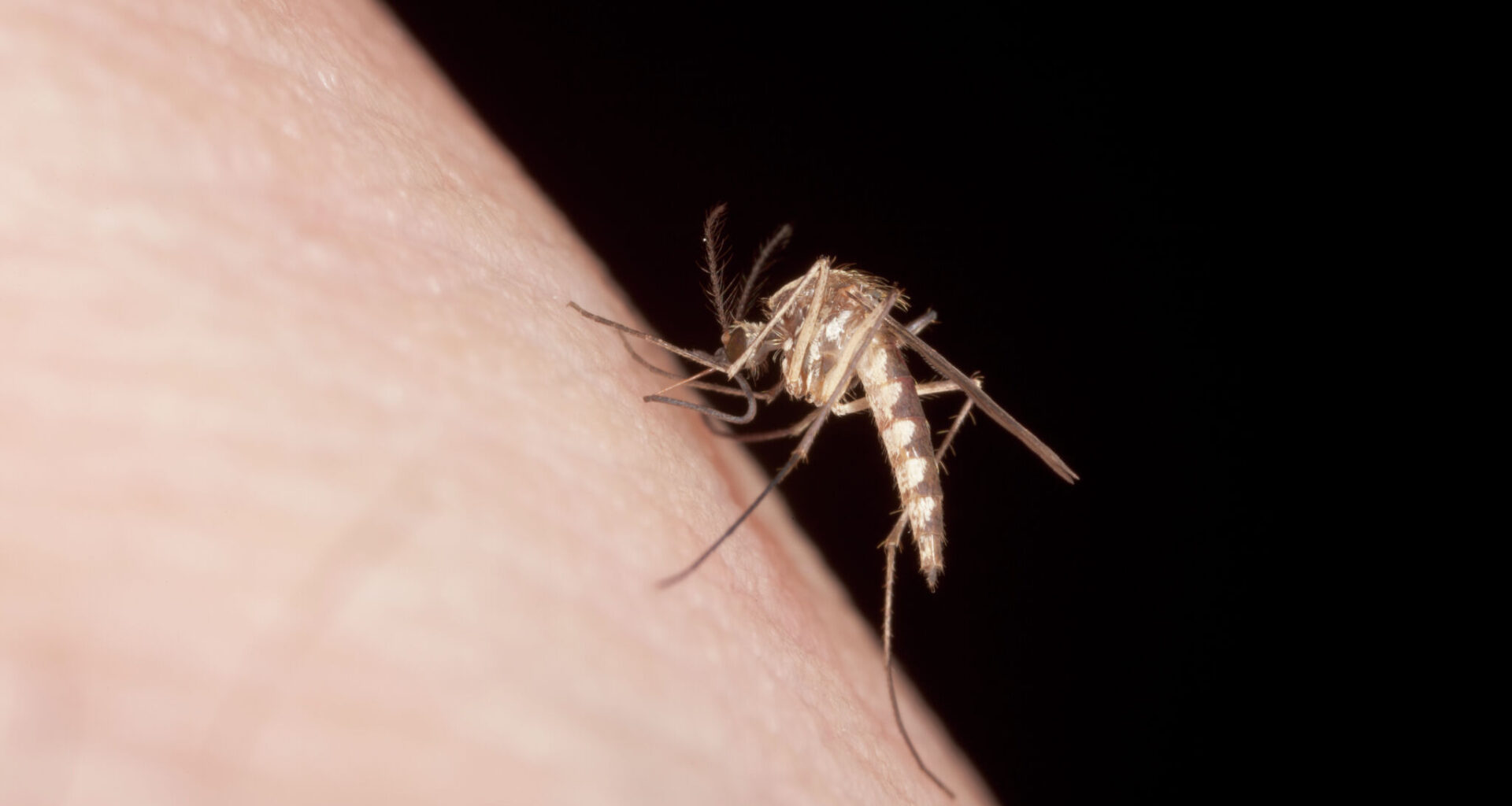
The goal of Google’s proposed release of 32 million sterile mosquitoes in California is to reduce the number of mosquitoes that carry diseases.
Bernard Lynch/Getty Images
People can submit public comments on Google’s proposed mosquito release until Friday, June 5.
David Paul Morris/Bloomberg//Getty Images
Google is seeking permission from federal regulators to release up to 32 million sterile mosquitoes in California — a pest control technique meant to quell the spread of an invasive mosquito species that’s been expanding to many parts of the state, including the Bay Area.
The Mountain View tech giant has requested a permit from the U.S. Environmental Protection Agency to initiate a project that would release up to 16 million mosquitoes in California in the first year of the project and another 16 million in the second year, according to a notice published May 6 in the Federal Register.
The proposal appears to be part of Google’s “Debug Project,” a group of scientists and engineers working to eliminate disease-carrying mosquitoes, according to the company’s website. Debug did not respond to questions from the Chronicle.
Article continues below this ad
The application with the EPA seeks to use a bacteria called Wolbachia that makes male mosquitoes sterile. When male mosquitoes are infected with Wolbachia, they become unable to breed with wild mosquitoes that do not have the same bacteria, according to a description of the method on Debug’s website.
Using Wolbachia to sterilize male mosquitoes is one type of “sterile insect technique.” Pest control professionals have used SIT a long time with other insects, often to protect crops.
San Francisco Chronicle Logo
Make us a Preferred Source to get more of our news when you search.
Add Preferred Source
With respect to mosquitoes, SIT has traditionally used radiation to sterilize male mosquitoes before releasing them to mate with female mosquitoes to produce nonviable eggs that do not hatch. Over time, this helps lower the population of that particular species of mosquitoes. Male mosquitoes do not bite or spread disease, so the technique does not raise the risk of humans getting bit or contracting mosquito-borne diseases.
This method using Wolbachia bacteria was tested in Singapore in a two-year trial from 2022 to 2024, and reduced the mosquito population and risk of dengue infection among residents, according to a paper published in the New England Journal of Medicine in February.
Article continues below this ad
Debug previously partnered with the local mosquito abatement district in Fresno County 2017 to do a pilot project using the Wolbachia method in 222 acres of residential neighborhoods. It significantly reduced the female mosquito population.
Sterile insect technique is promising, and some mosquito abatement districts in California are already using it — both the radiation and the Wolbachia methods — in small areas, like subdivisions, said Peter Bonkrude, district manager of the Marin/Sonoma Mosquito and Vector Control District. But questions remain about whether the technology is scalable and cost-efficient to do in large areas.
Google’s proposed project to release millions of sterile mosquitos may be able to help answer these questions.
The Debug project is targeting the Aedes aegypti mosquito, an invasive species that is of particular concern because it had been pushed out of California for many years but recently came back and can spread serious diseases like dengue, Zika, yellow fever and chikungunya.
Aedes aegypti has spread to 28 counties including Contra Costa, Santa Clara and Alameda, prompting Bay Area vector control districts to urge residents to get rid of standing water in their yards. Aedes aegypti is unique because it can breed in very small containers of water, as small as a bottle cap or water collected on a leaf.
Article continues below this ad
The Contra Costa mosquito and vector control district is considering releasing thousands of sterile male mosquitoes in a 20-acre residential area in Antioch. It could start in July or August at a small scale, allowing scientists to understand how the technique works and see if it’s viable. Antioch is one of the areas in the Bay Area where Aedes aegypti has been detected.
Members of the public can submit public comments on the matter at Regulations.gov until Friday, June 5. If the EPA approves the permit, the decision and the conditions under which the project must be conducted will be announced in the Federal Register.