
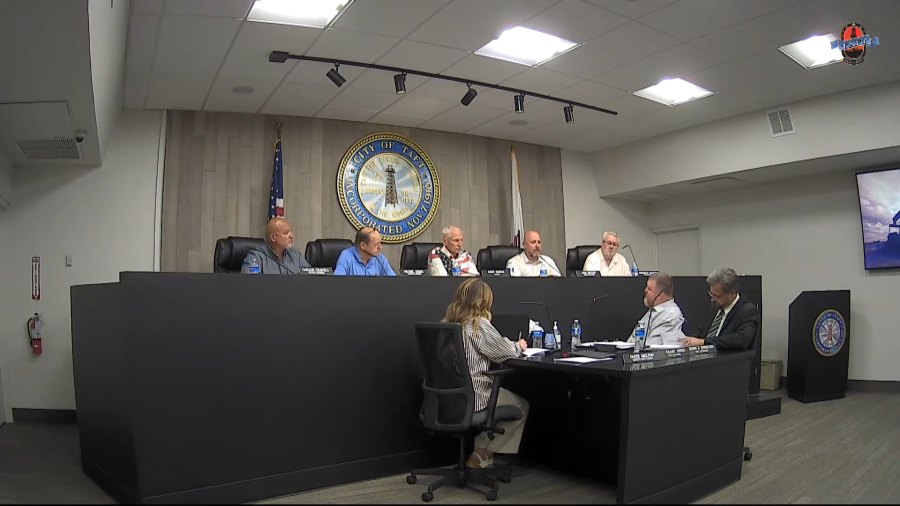
BAKERSFIELD, Calif. (KGET) — The Taft City Council adopted its zero-emission transit bus rollout plan in a 3-2 vote Tuesday, but only after most of its members expressed unhappiness with the state-required regulation and distrust in electric vehicle technology.
In December 2018, the California Air Resources Board adopted the Innovative Clean Transit fleet regulation, requiring all public transit operators in the state to achieve a 100% zero-emission fleet by 2040.
Watch ‘After Sunrise’ on KGET+; Click to learn how to get KGET+ on your smart TV devices
The regulation was designed to address greenhouse gas emissions impacting air quality and climate control, city staff said in the agenda.
Taft’s plan includes details about the city selecting battery-electric vehicles to achieve zero-emission and getting five battery-electric buses for Taft Area Transit later this year.
The Taft Area Transit provides services in Taft as well as the neighboring unincorporated communities of Ford City, South Taft and Taft Heights.
The matter was in the consent agenda, meaning the City Council could approve it without discussion. However, Mayor Dave Noerr pulled it from the list.
“And what the state of California does when they want you to do something that does not make sense or you cannot afford, is they tell you to either do it or you will be fined and punished,” said Noerr at the meeting.
Noerr said the city had one battery-powered vehicle in the past that was prone to breakdowns and wasn’t dependable. A battery-electric bus most likely won’t be able to run for eight hours without being charged in the middle of the day, according to the city manager.
Noerr also brought up concern about an electric vehicle possibly bursting into flames and other buses parked nearby also catching fire.
Mayor Pro Tem Josh Bryant argued while electric buses can work in short-term or for short routes, they’re unproven in terms of longevity and don’t work for everyday activities.
Bryant said an electric bus is unreliable, requires frequent repairs and recharging and costs significantly more than a diesel-powered bus.
Councilman Ron Waldrop also showed wariness regarding the electric buses, saying they’re not yet perfected and can be dangerous due to the possibility of fires.
Noerr and Waldrop voted against the plan. The plan was approved with a majority yes vote.
According to the resolution, 25% of new transit vehicle purchases in 2026 have to be zero-emission buses, then 100% of purchases in 2029 and onward.
The city has four gas or diesel-powered buses. Two of those are high-mileage gas vehicles, which the city would take out of commission while saving the other two to be prepared for unforeseen situations, according to city officials.
The city of Taft has also received grant funds to build solar-array charging stations to support the planned battery-electric fleet, the agenda said.
The city will have to file the plan and resolution with CARB by June 12, according to the agenda.
Copyright 2026 Nexstar Media, Inc. All rights reserved. This material may not be published, broadcast, rewritten, or redistributed.
For the latest news, weather, sports, and streaming video, head to KGET 17 News.