
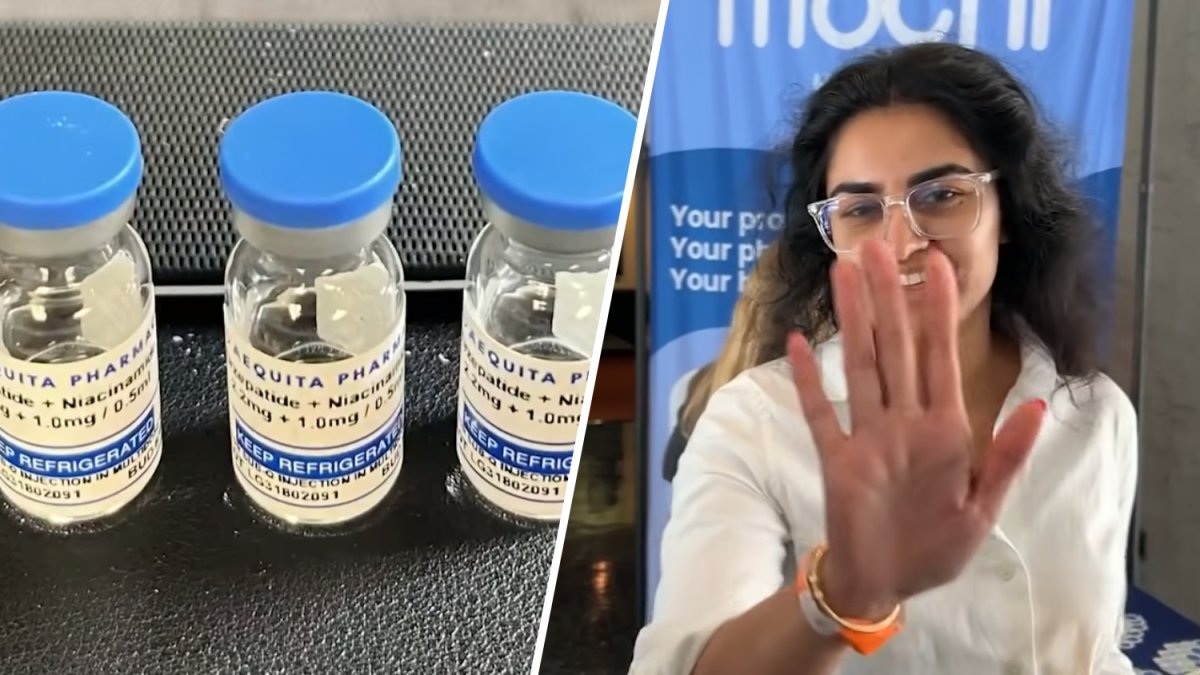
GLP-1 medications are the hottest way to lose weight, but are all versions of the drug being marketed to you safe?
A San Francisco-based weight loss startup, Mochi Health, is currently under a firestorm of scrutiny after working with pharmaceutical supplier Aqueita Pharmacy, which is in Kirkland, Washington.
Partnering with the NBC station in Seattle, Washington, NBC Bay Area’s Investigative Unit obtained public records showing whistleblowers went to state inspectors last year with a long list of patient safety complaints against Aequita with which Mochi’s CEO Myra Ahmad was directly involved, they said.

Myra Ahmad, Mochi Health’s CEO.
About 800 miles north of Mochi Health’s headquarters at 333 Bush Street in San Francisco’s Financial District, Mochi worked with Aequita to create GLP-1 compounded medication – at one point shipping 20,000 prescriptions to patients a week across the U.S., inspectors said in their findings.
GLP-1 compounds are mixed by pharmacies to mimic brand name weight loss drugs. They’re not FDA approved and the federal agency says they can be risky.
Whistleblower reports, state findings
As Ahmad took to social media talking about Mochi’s growth and cheaper GLP-1 options for patients, Aequita pharmacy staff met with state inspectors in 2025 sharing ring videos from the facility.
The videos appear to show Aequita’s Head of Operations bring in unlicensed temporary workers to process prescriptions. The workers were picked up at home improvement store parking lots, according to six pharmacy employees who spoke with King 5, the NBC station in Seattle.
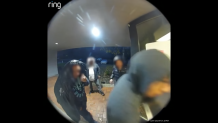
Ring video shows unlicensed temporary workers entering Aequita to work on prescriptions.
“They would come over to our main facility…and actually handle the pharmaceuticals themselves,” former Aequita lab manager Paul Meyers said. “They didn’t have any state licensing.”
Regulators substantiated this complaint. They also found Aequita allowed untrained pharmacy assistants to compound the GLP-1 prescriptions and even directed the untrained pharmacy workers to compound the drugs without proper supervision.
“The pharmacy is allowing pharmacy assistants to compound in the clean room, despite not having completed all the necessary compounding training…”
Washington Department of Health regulators
According to the state’s report, whistleblowers told investigators Ahmad made a lot of the risky cost-cutting decisions at Aequita. For instance, one employee said Ahmad asked her to find the unlicensed temporary workers to specifically help “handle sterile compounded drugs and assemble kits for shipping and delivery to patients.”
Expired drugs, glass particles in vials, and Otter Pops
Whistleblowers also told investigators, according to the state’s report, that Ahmad and Aequita’s Head of Operations decided to switch to cheap medicine vials that ended up breaking and shattering.
In its determination, the state said witnesses reported seeing glass particles in some of the compounded product. It’s unclear if it made it to patients.
Also in their findings, inspectors said they discovered expired GLP-1 prescriptions that were going to be mailed out to patients. At least three had been expired for nearly nine months.
Then, when the pharmacy ran out of ice packs to ship with the prescriptions because the medication needs to be kept cold during transit, inspectors said staffers alleged Ahmad suggested using frozen Otter Pop popsicles instead. Patients complained online that some of the popsicles leaked, spilling all over their medication, which the state mentioned in its report.
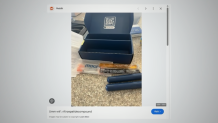
Instead of ice packs, some Mochi patients said they received their prescriptions with Otter Pops as cooling mechanisms.
Video: Regulators visit GLP-1 supplier unannounced
In March 2025, Washington Department of Health inspectors visited one of Aequita’s warehouses unannounced. They were responding to whistleblower reports, which included allegations the pharmacy moved GLP-1 drug ingredients across the street to hide them from inspection.
Video from that visit obtained through a public records request by NBC Bay Area and the NBC station in Seattle shows a warehouse manager denying knowledge of any attempts to evade inspectors.

Washington Department of Health inspectors visited Aequita unannounced in March 2025.
“As far as I know there’s nothing from the, the pharmacy…This is just storage for the packaging and stuff like that,” the manager told regulators during the inspection.
“Well, that’s not necessarily true. I can tell you that…that’s not packaging,” an inspector responded opening a refrigerator next to the warehouse manager.
In the refrigerator were bags of peptide base powders that, according to the state, Aequita used in its GLP-1 compounds.
Business records show, months before, Myra Ahmad formed a wholesaler company, USA Distribution LLC, linked to that warehouse. Inspectors said USA Distribution wasn’t licensed to be a wholesaler yet when inspectors found the powders.
As a result of the inspection and its investigation into the whistleblower reports, the Washington Department of Health issued Aequita a Notice of Immediate Jeopardy. The regulator said the pharmacy’s “deficient practices … have placed the health and safety of individuals at risk of serious injury, serious harm, serious impairment or death.”
Washington state officials said Aequita Pharmacy closed this past April.
“[Aequita’s] deficient practices or conditions have placed the health and safety of individuals at risk of serious injury, serious impairment, or death.”
Washington Department of Health regulators
Mochi Health’s CEO avoids questions, no response from Aequita
NBC Bay Area’s Investigative Unit has tried to speaking with someone at Aequita and Myra Ahmad about these allegations since April, but we haven’t received a response.
At the Livelong Women’s Health Summit in San Francisco last March, NBC Bay Area tried speaking with Ahmad in person. She didn’t answer any questions and walked away.
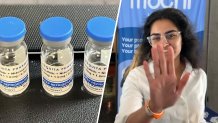
Myra Ahmad declined to answer reporter questions at a health conference in March.
In a booming industry that’s marketing the hottest way to lose weight, Mochi is still offering GLP-1 compounded medication to patients, according to its website, working with other pharmacies nationwide.
Candice Nguyen is the senior investigative reporter on this story. If you have a question or comment, email her at candice.nguyen@nbcuni.com.
NBC Bay Area’s senior investigator Candice Nguyen analyzed the controversy surrounding a Bay Area-based weight loss start-up after reports revealed multiple complaints.