
The hotel association report specifically called out a “room block over commitment” by FIFA, in which the organization reserved significant chunks of rooms in host cities, only to later cancel most or all of them. The move “created an artificial early demand signal that has since unraveled,” the report said.
The soccer organization withdrew its commitments just three months from the event, “returning some blocks without a single reservation having been made,” sending hoteliers scrambling to backfill the spaces.
Exact hotel data will not be available until after the tournament, but it’s already telling a different story than the 2026 Super Bowl. That game exceeded projections for how much money it would bring in, topping $720 million in total economic activity for the entire region, according to the Bay Area Host Committee.
However, those numbers from the host committee have been called into question by economists like Roger Noll, a professor emeritus of economics at Stanford University.
“It’s just grossly overstated,” Noll said of the report’s findings.
He said such estimates often don’t take into account mitigating factors, such as the large number of people who opted not to visit the Bay Area for business or tourism around the Super Bowl to avoid schedule conflicts and higher prices at hotels.
“It’s purely public relations, it’s advertising,” Noll said. “They want the political leadership of the area to feel good that it did this… It’s not true that we all get richer because there’s a Super Bowl here; it’s just not true.”
Bellisario, with the Bay Area Council Economic Institute, thinks the World Cup is “still going to be positive for the region, but I don’t think we should be thinking about this as five or six Super Bowl-type games the region is hosting.”
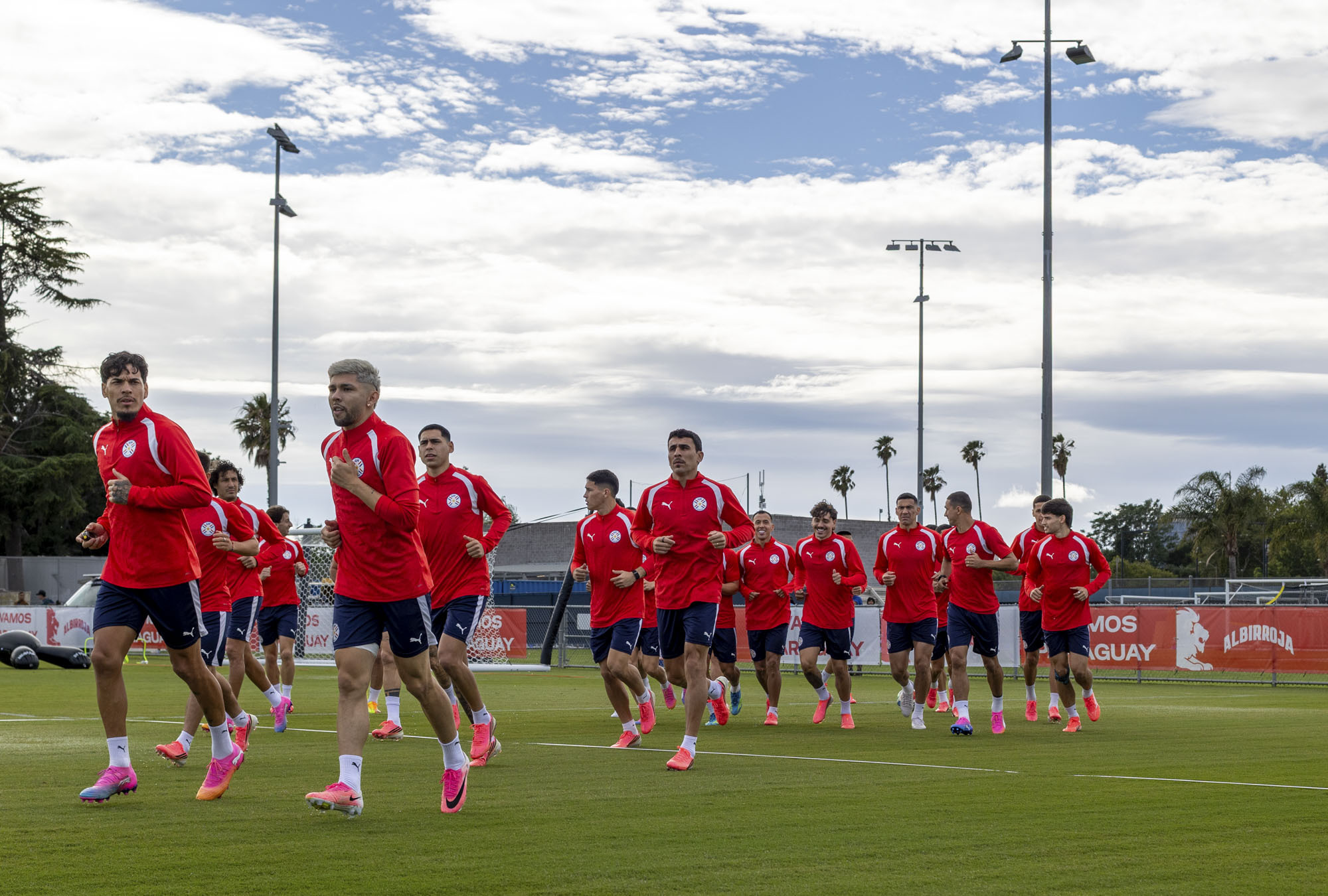 Players with the Paraguay national football team jog during a warmup before an open training session at CEFCU Stadium in San José on June 8, 2026. (Gustavo Hernandez/KQED)
Different parts of the Bay Area will also be affected in different ways.
According to the host committee’s report, San Francisco raked in a large portion of the Super Bowl profits, about $425 million, compared to $195 million in Santa Clara County, where the game was played, and about $100 million in other counties.
But the South Bay may see a bigger bump from the soccer matches this time around. The host committee’s predictions suggest Santa Clara County could see up to $360 million of the potential impact, double what it has projected for San Francisco.
Noll hopes it will be a better event for the South Bay, because visitors will come for a longer period and will need to spend money locally in between matches.
“Because it’s multiple events spread over a longer period, you would expect the economic impact per visitor to be substantially higher for the World Cup than it would be for the Super Bowl,” he said.
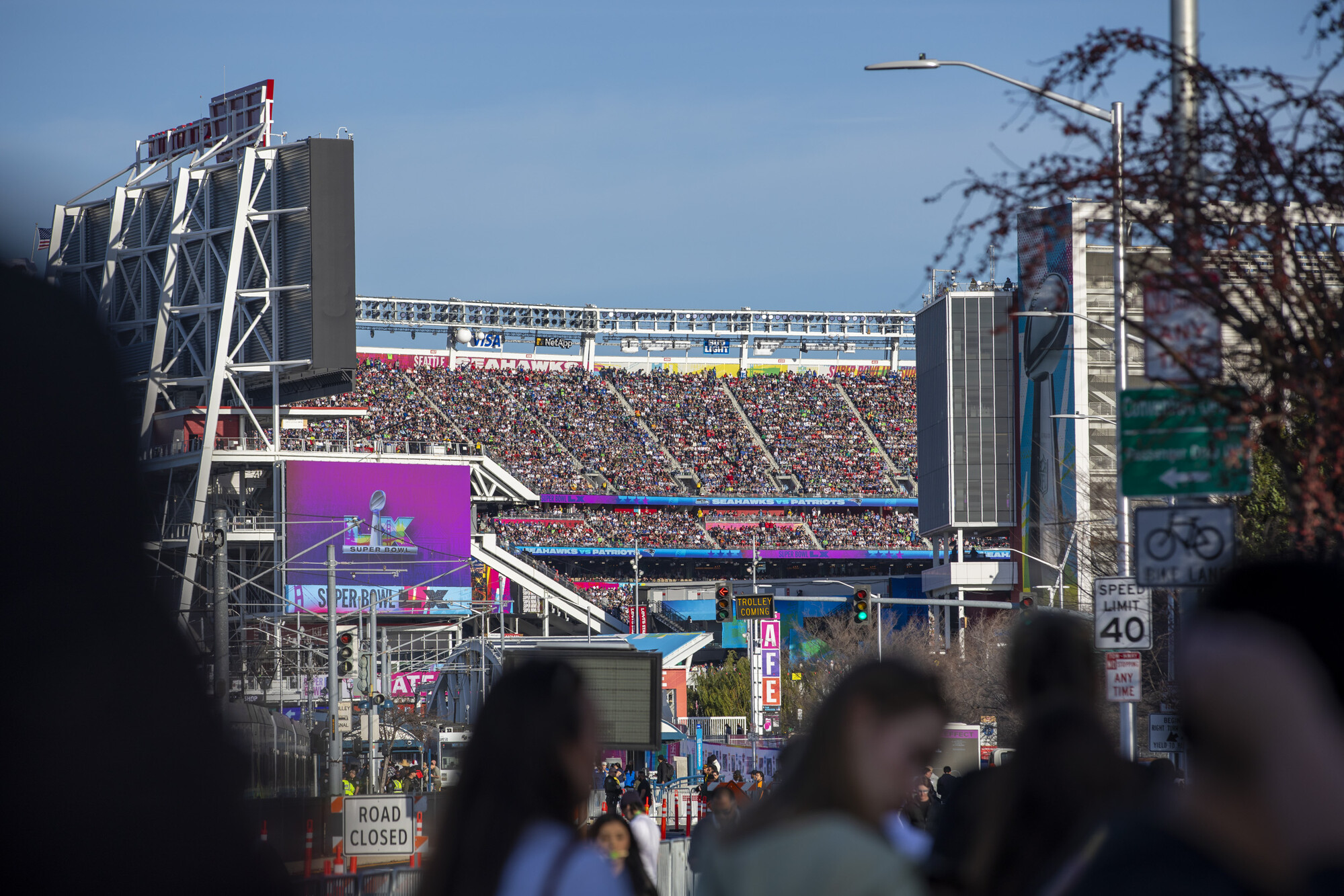 Spectators fill the seats at Levi’s Stadium for Super Bowl LX in Santa Clara on Feb. 8, 2026. (Tâm Vũ/KQED)
Until the World Cup concludes, it’s all guesswork, leaving cities unsure about the level of impact it and the Super Bowl had.
Over the years, amid a falling out with the 49ers leadership who manage Levi’s Stadium, Santa Clara Mayor Lisa Gillmor has consistently expressed concern over the onus laid on the city for the Super Bowl, World Cup and even major concerts hosted there.
In a statement this week, the city highlighted that the host committee’s economic impact report only offers high-level data, not city-specific analysis, and said it plans to check the math itself.
“The city is currently procuring a consultant to conduct an independent economic impact study of Levi’s Stadium events, including both the Super Bowl and FIFA Men’s World Cup, to better understand the direct and indirect benefits to Santa Clara,” the statement said. “Until that work is completed, we are unable to quantify the full economic impact to the city.”
While New York Mayor Zohran Mamdani has initiated a discounted ticket program for residents, Bay Area leaders have not followed suit. The low-popularity matches are still out of price for many soccer fans in the Bay Area, however, ranging from the low hundreds to over $1,000.
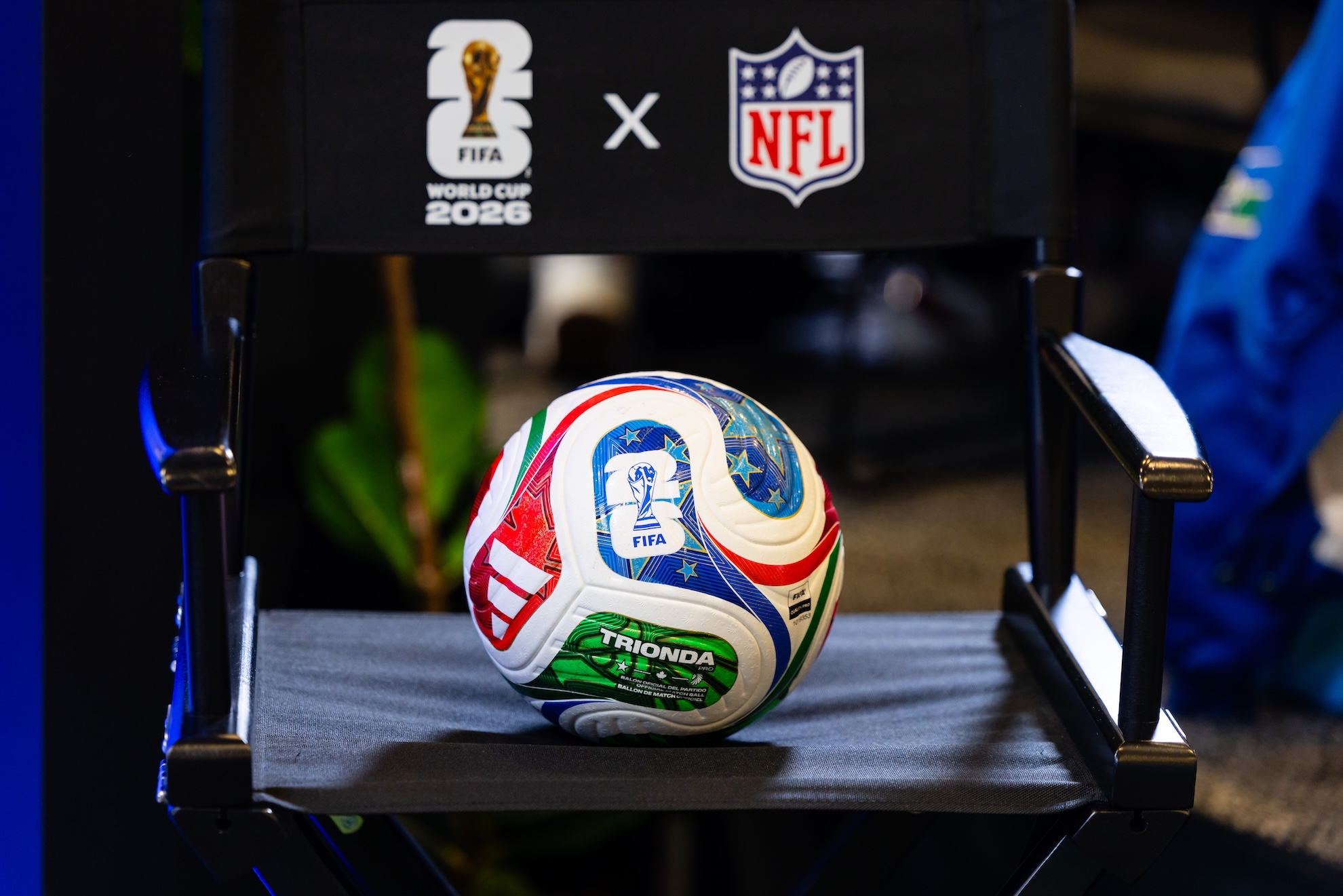 An Adidas FIFA World Cup soccer ball is seen on a FIFA x NFL chair in the Media Center ahead of Super Bowl LX on Feb. 4, 2026, at the Moscone Center in San Francisco, California. (Matthew Huang/Getty Images)
“The matchups that we have here are not the ones that are going to be drawing the superstar players and the headlines and people from across the U.S.,” Bellisario said. “They are interested in seeing a player like [Lionel] Messi or Cristiano Ronaldo, right? So I think that’s part of the muted response in our region.”
Still, the host committee is organizing around 80 free watch parties across the Bay Area, and FIFA has licensed 20 public viewing events in San Francisco alone. Many local bars and restaurants plan to host watch parties of their own, including for the many vibrant diaspora communities who call the Bay Area home.
“My belief is that people engage in soccer in a much more personal way that’s authentic for them, usually around friends and family in the communities in which they live,” said Zaileen Janmohamed, Bay Area Host Committee President and CEO. “We wanted to distribute that economic impact as far as possible across the region.”
San José’s marquee downtown gathering space, San Pedro Square, is serving as the South Bay’s main watch party hub, with all matches televised on large screens across 39 days, and several other events in neighborhoods around the city.
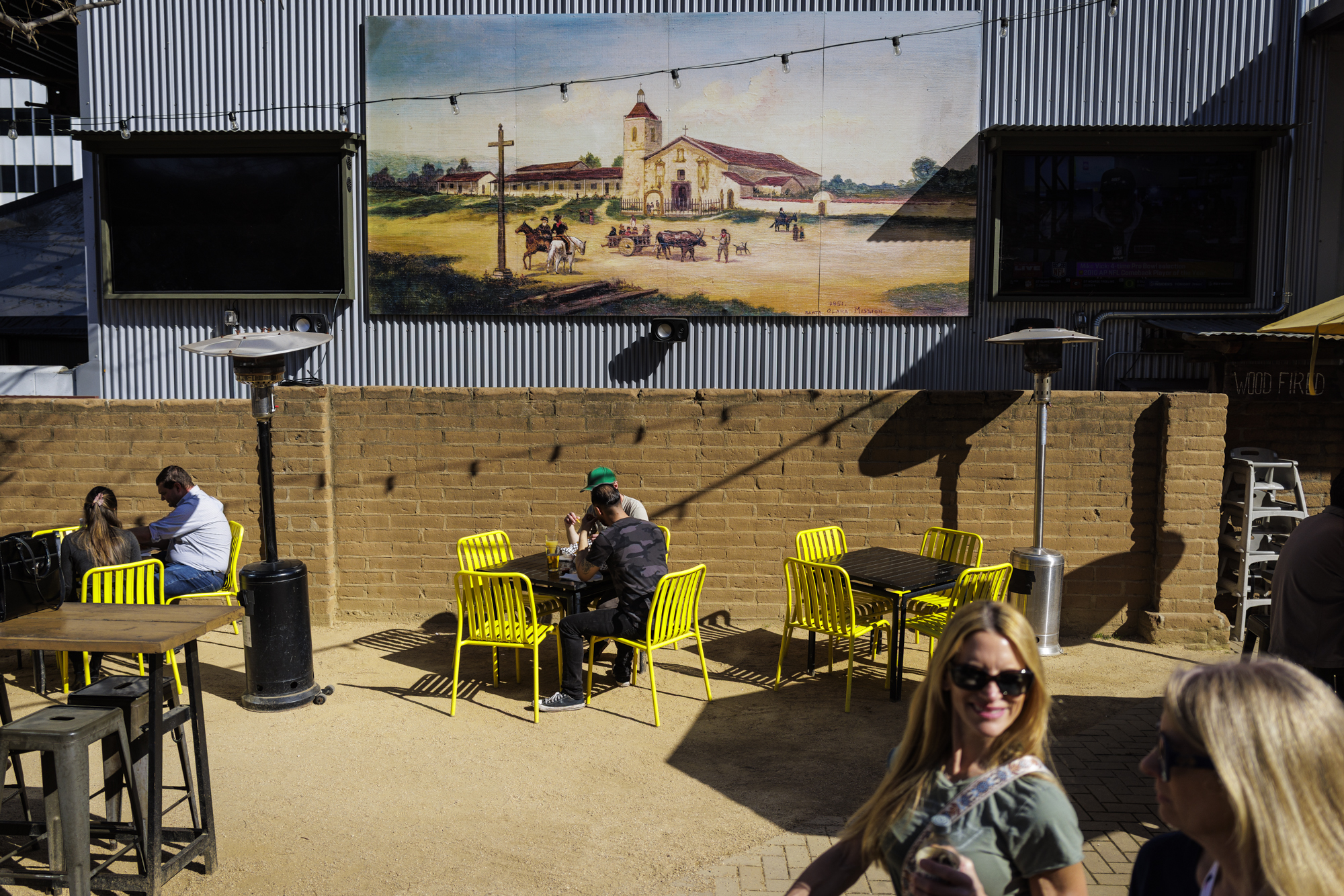 People in the patio at the San Pedro Square Market in San José on Feb. 6, 2026. (Martin do Nascimento/KQED)
“This is an order of magnitude larger than the Super Bowl for us,” Mahan said.
Laura Potter teaches sports management at Santa Clara University’s Leavey School of Business. She helped run several Super Bowls and other major sporting events before landing her current position as the Chief Revenue Officer for the Oakland Roots and Soul soccer clubs, which have developed intimate yet dedicated fan bases at a time when other major sports franchises have left the city.
Potter said sports executives should not expect fans to flock to games and teams they haven’t heard of without some serious community-building.
“It absolutely comes down to business, community and sport working together hand-in-hand. It has to have all three working together in lockstep,” Potter said on the sideline of a recent packed Oakland Soul match. “One without the other doesn’t provide the results that are possible.”