
The sales tax increase, which does not apply to groceries or medications, will begin on Oct. 1, 2026
Measure ER, the Los Angeles County ballot measure that would increase the county sales tax by a half-cent, has passed.
A majority of the votes were tabulated as of Wednesday, with over 50.9% of voters approving the sales tax increase and more than 49% opposed the proposal; the measure only needed a simple majority to pass. The “yes” votes only surpassed the “no” by approximately 24,000 ballots.
First introduced by Supervisors Holly Mitchell and Hilda Solis in January, Measure ER, also known as the Essential Services Restoration Act, asked voters to implement the half-cent general sales tax increase for five years, through Oct. 1, 2031.
With the passage of Measure ER, the county sales tax increase will take effect on Oct. 1, 2026. At the moment, the county sales tax is 9.75%. The proposed increase raises it to 10.25%, although the measure would not apply to groceries and medications.
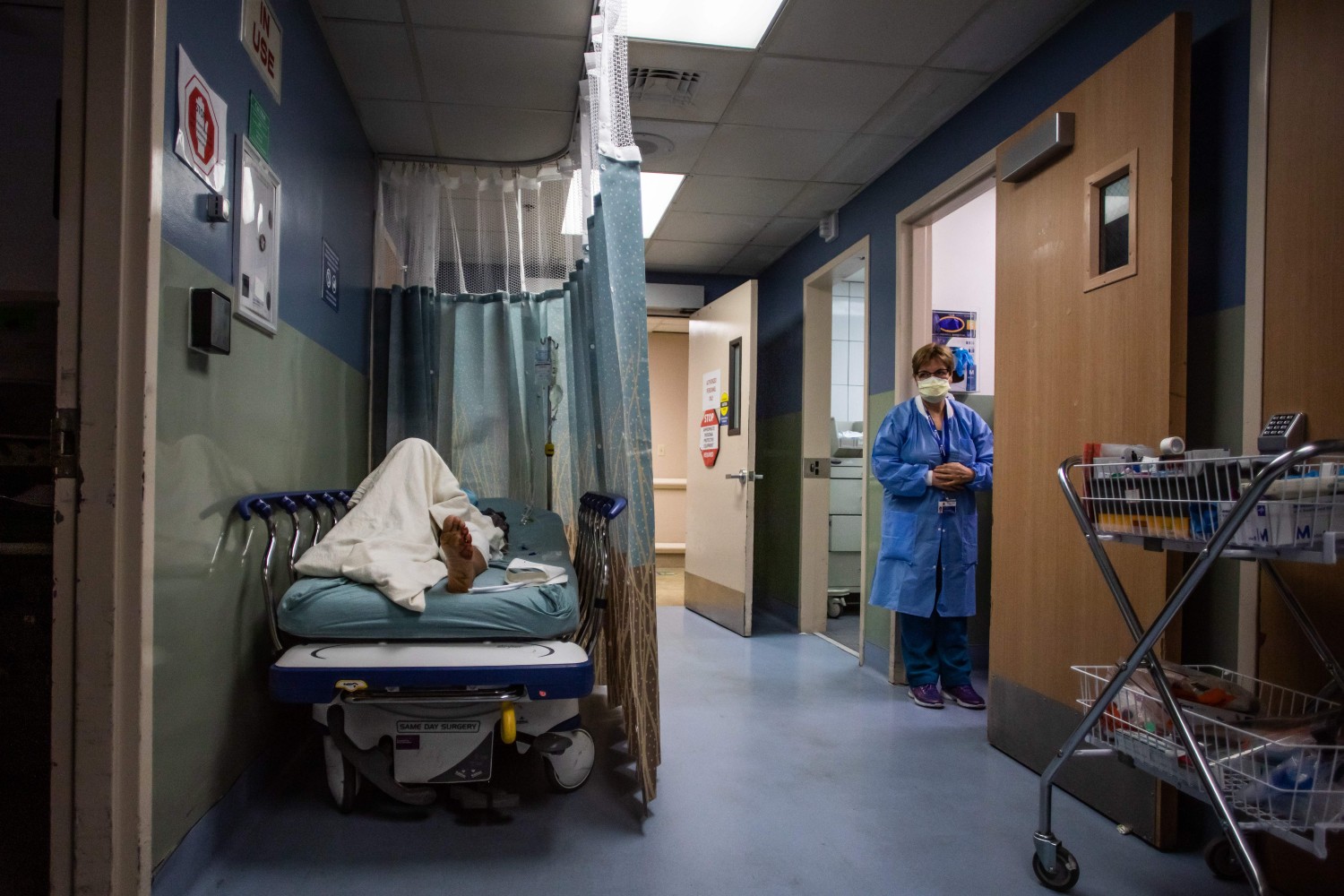
County officials claimed the measure would generate roughly $1 billion annually to offset reductions in state and federal funding for various healthcare programs. Due to the federal spending package passed by Congress and President Donald Trump, changes to Medicaid, also known as Medi-Cal in California, have led to an expected spike in the number of uninsured people.
Mitchell called the sales tax a “last resort,” saying the county had already enacted hiring freezes, limited overtime and tapped emergency reserves. The county estimates it will lose about $2.5 billion over the next three years because of federal cuts.
The voters of Los Angeles have historically been fairly supportive of taxing themselves to fund public initiatives; however, Measure ER proved a harder sell. Even among Democrats and progressives, there was weariness over the measure’s sales taxes, which tend to hurt lower-income residents more than the wealthy ones.
Kathryn Barger, the only supervisor who opposed placing Measure ER on the June ballot, said Wednesday that the sales tax increase would create an “additional burden” for taxpayers amid rising inflation, although she said she respects the “will of the voters.”
Scroll to continue reading
“Moving forward, my responsibility is to ensure the revenues generated are managed with accountability and measurable results,” Barger said in a statement. “Taxpayers deserve to know how these funds are being spent, whether promised outcomes are being achieved. I will be a strong advocate for rigorous oversight and fiscal responsibility every step of the way.”
As more people lose coverage yet still need care, the providers of the safety nets that help these people stand to lose significant revenue. In Los Angeles, money from the sales tax would also assist county public health, Planned Parenthood services and emergency preparedness.
Counties with safety net clinics and hospitals say that there is not enough support from the state to recover from federal policies and funding cuts, leaving them with major holes in their budgets and searching for new ways to generate revenue.