
I’ve observed dozens of local elections during my 45 years as a reporter and six years as a community activist. Every time the results roll in, I’m reminded that predictions are cheap and surprises are certain.
On June 8, I was surprised by the defeat of the city of San Diego’s tax on “non-primary” homes. I opposed Measure A, but I assumed it would pass for two reasons.
I thought renters (especially) would buy the claim that taxing owners of “underused” second homes would increase housing stock and decrease rents. And I assumed a majority of voters would support a tax when someone else (in this case the “corporate bad guys” and “the wealthy”) is paying it.
But I failed to grasp the extent of the mistrust and anger felt by a clear majority of voters. They rejected Measure A because City Hall continually ignores their priorities, favors special interests and lacks the competence — and the political will — to provide basic services.
As an activist, I read council dockets closely, and I routinely attend public meetings. What I see and hear confirms that voters have lost patience with a dysfunctional City Hall. These corrective actions are needed:
— Shrink your entourages: For two years, critics have argued that “middle management” staff is bloated and ripe for significant cuts. An independent analysis of staffing and pay levels is long overdue. But Mayor Todd Gloria won’t commission that study.
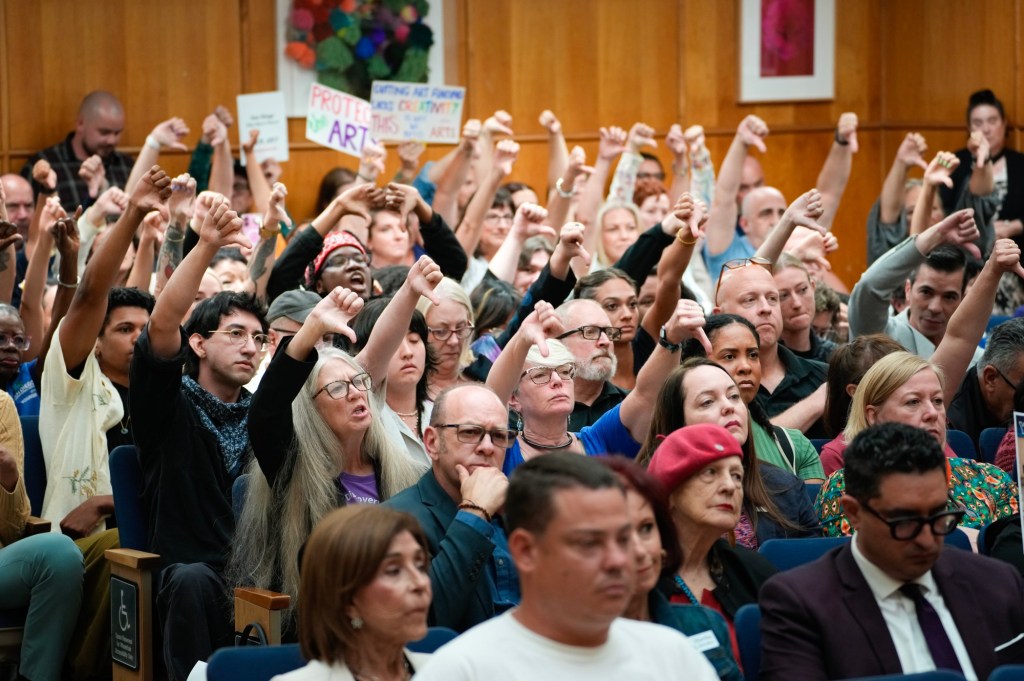
— Spare us the drama: The mayor dropped a bombshell by proposing to sharply reduce funding for arts and culture. How could he not know that a coordinated and powerful response would rise up against him? Why didn’t he consult first with his finance department, philanthropists and the county, who found the money to largely restore that funding?
— Stop the budget boomerangs: Year after year, the mayor threatens to slash city services, including public restrooms, libraries, parks and recreation, and homeless programs. The City Council pushes back by siphoning from long-term infrastructure needs. This adds to the “structural deficit” and delays the reckoning until this mayor and council have left City Hall.
— Lead by example: Increases in City Council and mayoral office budgets exceed our population growth. If just one elected official cut their budget by 20% through salary reductions, early retirements, furloughs, job-sharing, others would be forced to do the same or pay a political price.
— Punish incompetence: The City Council routinely approves the settlement of legal claims attributed to employee negligence that total many millions of dollars. But council members rarely demand accountability from department heads. To the contrary, council members often preface their comments with gratuitous praise for staff (as if they’re not being paid handsomely for their work).
— Remember, taxpayers are your bosses: You are paid by us to represent our interests. But you keep siding with organized labor over taxpayers. Yes, we know their money helped elect you. But it is unconscionable for you to cut our services so you can hire more workers, approve huge overtime payments, and avoid outsourcing and “managed competition.”
— Respect neighborhood rights: When a construction fence goes up around a neighbor’s just-sold property or a city crew starts tearing up their street, it shouldn’t take a Public Records Act Request to find out what’s happening. Residents deserve early notice that a developer is building 15 ADUs in the back yard of that former neighbor’s home or that a dozen parking spots will be erased for a bike lane.
— Practice basic courtesy: When a resident sacrifices personal time to attend a council meeting, have the decency to listen to what they say and follow up when they ask for information. Council members routinely stare at laptops, talk with staff, and leave the chambers during public comment. When council members skip meetings and deprive the body of a quorum, important discussions and votes can be delayed for weeks or months.
Elected officials must understand that their negligent job performance has infuriated their constituents. If they don’t learn from their mistakes and strive to establish trust and show respect, voters will continue to reject proposed fee and tax increases, no matter how well-reasoned those requests might be.
Krueger is a board member of Neighbors For A Better San Diego and lives in Talmadge.