
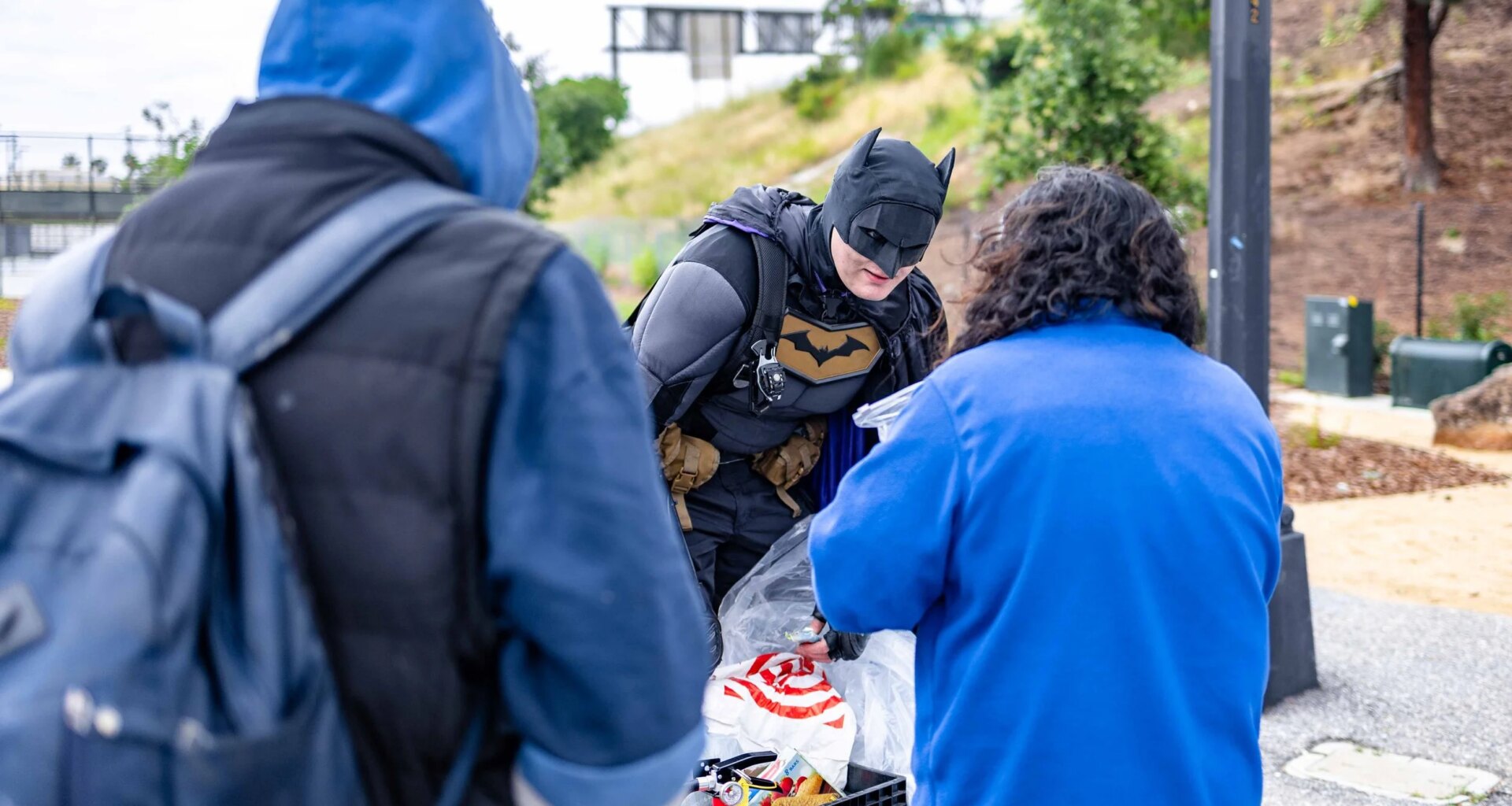
That trust is harder to build when people are being moved by the city.
Sarah Fields, deputy director of the San José Housing Department, said the city does not describe its encampment work as sweeps. The city uses the word abatement, she said, because the process is not sudden.
Before the April 15 abatement at Coyote Meadows, the area also known as “the Jungle,” Fields said the city posted signs in English, Spanish and Vietnamese about six weeks in advance. Outreach workers from the city, PATH and Amigos de Guadalupe visited the site during that period and built a list of more than 100 people interested in moving into noncongregate shelters.
“It is not healthy or safe for someone to be living outdoors,” Fields said.
But she acknowledged the city does not have enough beds for everyone. Fields reports that San Jose has more than 6,000 people experiencing homelessness and just over 2,000 shelter beds under the city’s purview.
The wider San José/Santa Clara City & County Continuum of Care counted 9,903 homeless people in 2023, down 1% from the year before, according to a HUD performance profile. But the same report showed 6,103 people experiencing homelessness for the first time, a 23% increase. Chronically homeless individuals rose 29%, even as emergency shelter beds grew 29%.
San José has also opened more than 1,000 shelter beds over the past year, according to San José Spotlight, but its Taylor Street Navigation Hub, a 56-tent safe sleeping site, is scheduled to close by next January as the city faces a $50 million deficit. The site cost $2.6 million to build and $2.4 million a year to operate.
Fields said many housed residents misunderstand why some homeless people hesitate to accept services. For some, she said, systems have already failed too many times.
“There is reason and logic to a lot of the decisions that are made by unhoused individuals,” Fields said. “They’re just very different based on very different sets of circumstances.”
Batman sees that distrust up close. He said one bad experience with outreach workers, police or city crews can make people less likely to accept help in the future.