
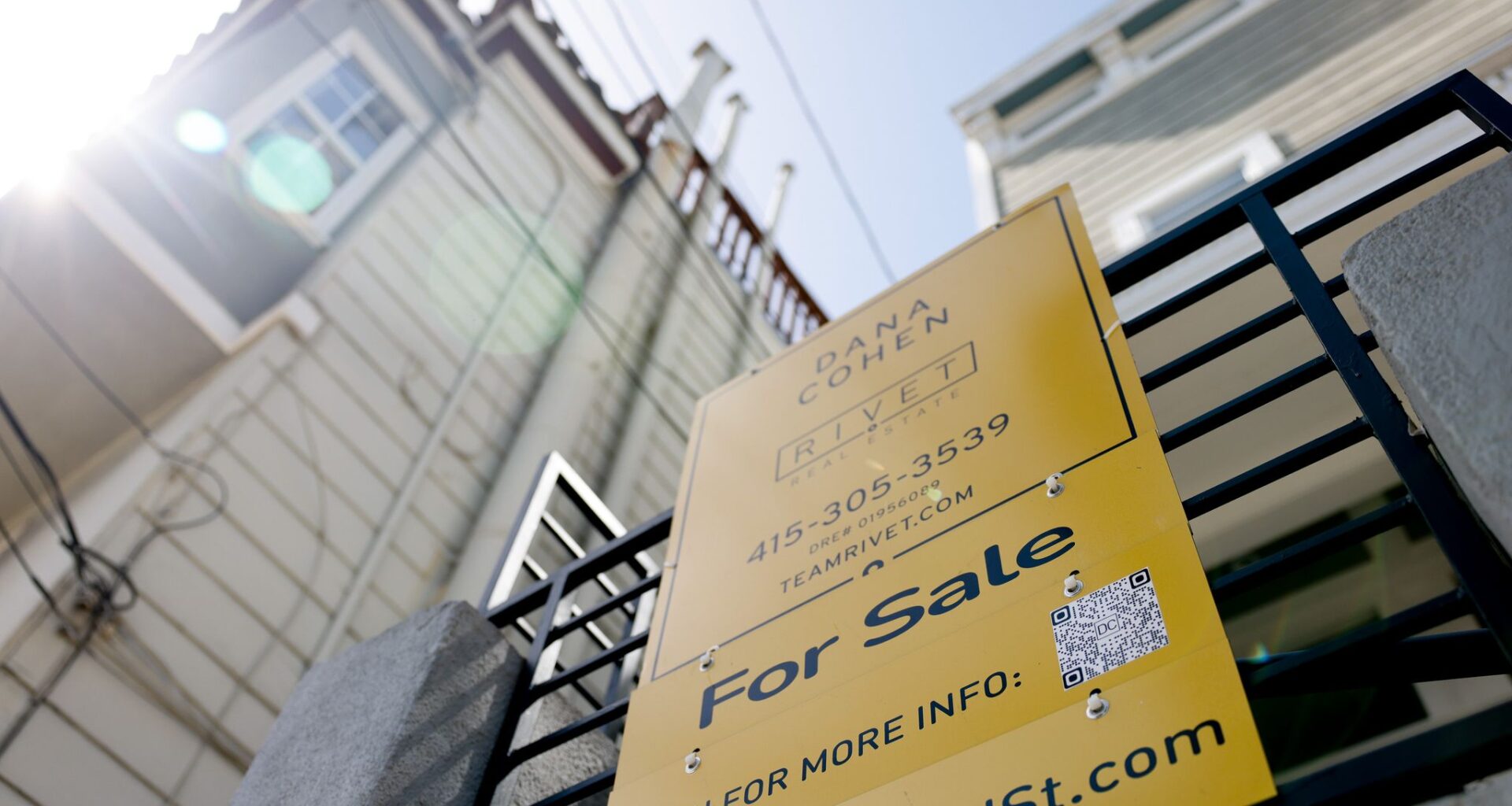
The number of homes for sale in San Francisco dropped to its lowest May figure since before the pandemic, even as sales rose at one of the fastest paces among major U.S. cities.
Just over 900 homes were on the market in San Francisco at the end of May, data from real estate brokerage Redfin showed. While that’s up from the recent low of 500 homes in December — when sellers usually pull back for the holidays — it’s down significantly from the 1,400 homes that were listed at the end of May 2025.
The last time San Francisco’s inventory was below 1,000 homes in a May market was in 2019, when fewer than 800 properties were for sale.
The city’s for-sale inventory has bent beneath the weight of a new wave of buyers brought to San Francisco by the artificial intelligence boom. Sellers are also putting fewer homes up for sale this year, making bidding wars fiercer and pushing home prices even further beyond what the typical household can afford.
“We don’t have enough to absorb what the buyer demand is,” said Allison Fortini-Crawford, a San Francisco real estate agent with Sotheby’s International Realty. Homes selling for a million dollars over their asking price are now “routine,” she added.
Sales and listings are also starting to trend in opposite directions. About 2,500 San Francisco home listings went pending — meaning the property owner accepted an offer — from January through May this year, Redfin’s data shows. That marked a nearly 8% increase from the same period last year and the highest count since 2022, when mortgage rates were far lower.
Meanwhile, sellers listed about 3,330 homes during the first five months of this year, a slight decrease from the 3,460 homes listed in the same period in 2025. That, combined with hundreds of delistings in recent months and an especially thin stream of new inventory at the end of last year, contributed to the lower number of homes left on the market at the end of May.
While much of the new demand has been for luxury homes, it’s affected the market in other ways, pushing rents in San Francisco back to pre-pandemic levels. Even those who could sell their home for far more than they bought it often don’t, knowing they’d also have to contend with higher mortgage rates and — if they want to remain in the city — much higher prices for their next home. That dynamic has effectively frozen much of San Francisco’s potential inventory, Fortini-Crawford explained.
“I don’t think any of us expected what AI has done,” she said.
The growing number of home sales in San Francisco stands in sharp contrast to other major cities, where sales have generally declined or flattened. In fact, of the 50 most populous U.S. cities for which Redfin had sales data, only three — Austin, Texas; Miami; and Milwaukee — saw sales grow more quickly since last year than San Francisco.
Listings in Austin and Miami have surged in the wake of a building boom, which has also contributed to declining home prices. But San Francisco and Milwaukee have both seen their prices rise amid a surge in demand and rigid inventory.