
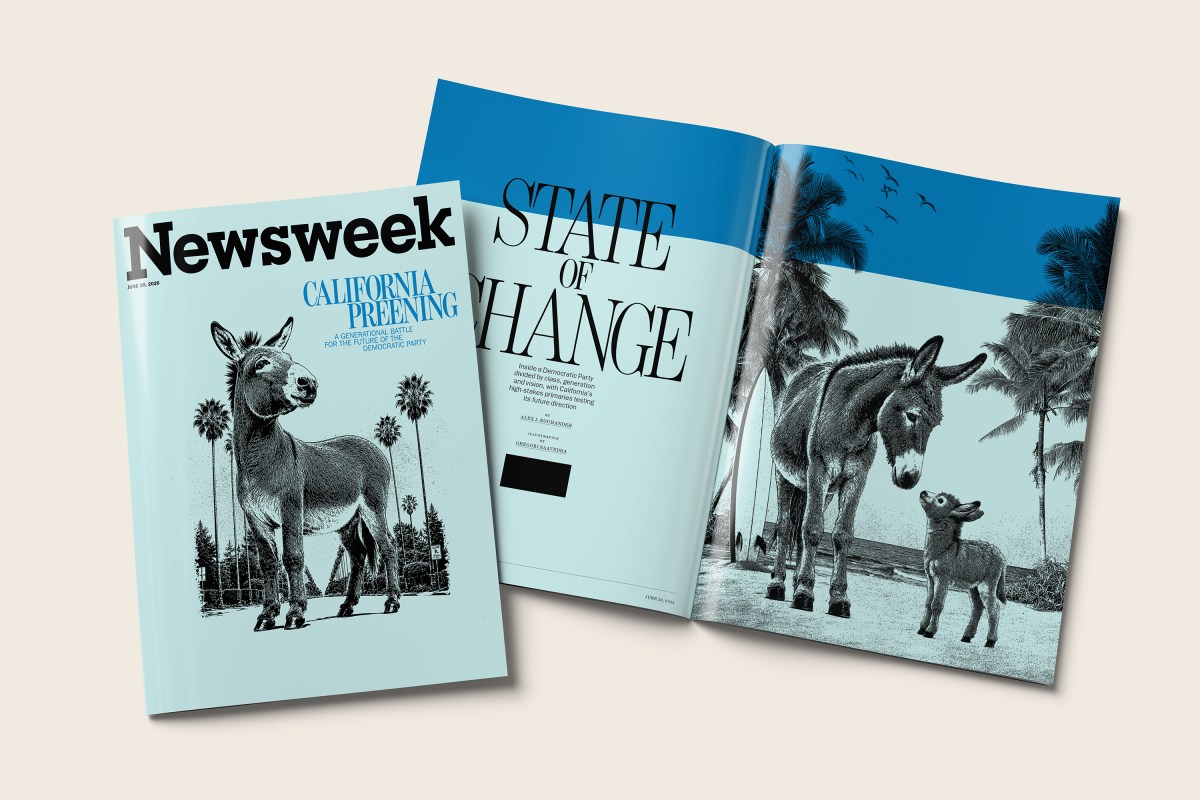
It’s the political paradox of the moment. Democrats are winning special election after special election, their voters are turning out in record numbers, yet the party brand is atrocious. Despite Democrats’ six-point advantage in the generic ballot over Republicans, per the RealClear Polling average, their favorability rating is nearly 20 points underwater. Theories for this disconnect abound: It’s because the party’s too left! It’s because the party’s too center! It’s because they let Trump win the last time!
Or perhaps—as the recent primaries in California illustrate—it’s because its boomer political leadership has done a poor job steering the party in the age of Donald Trump and, if for no other reason than the passage of time, is losing its grip on the party’s reins.
Read More on Politics
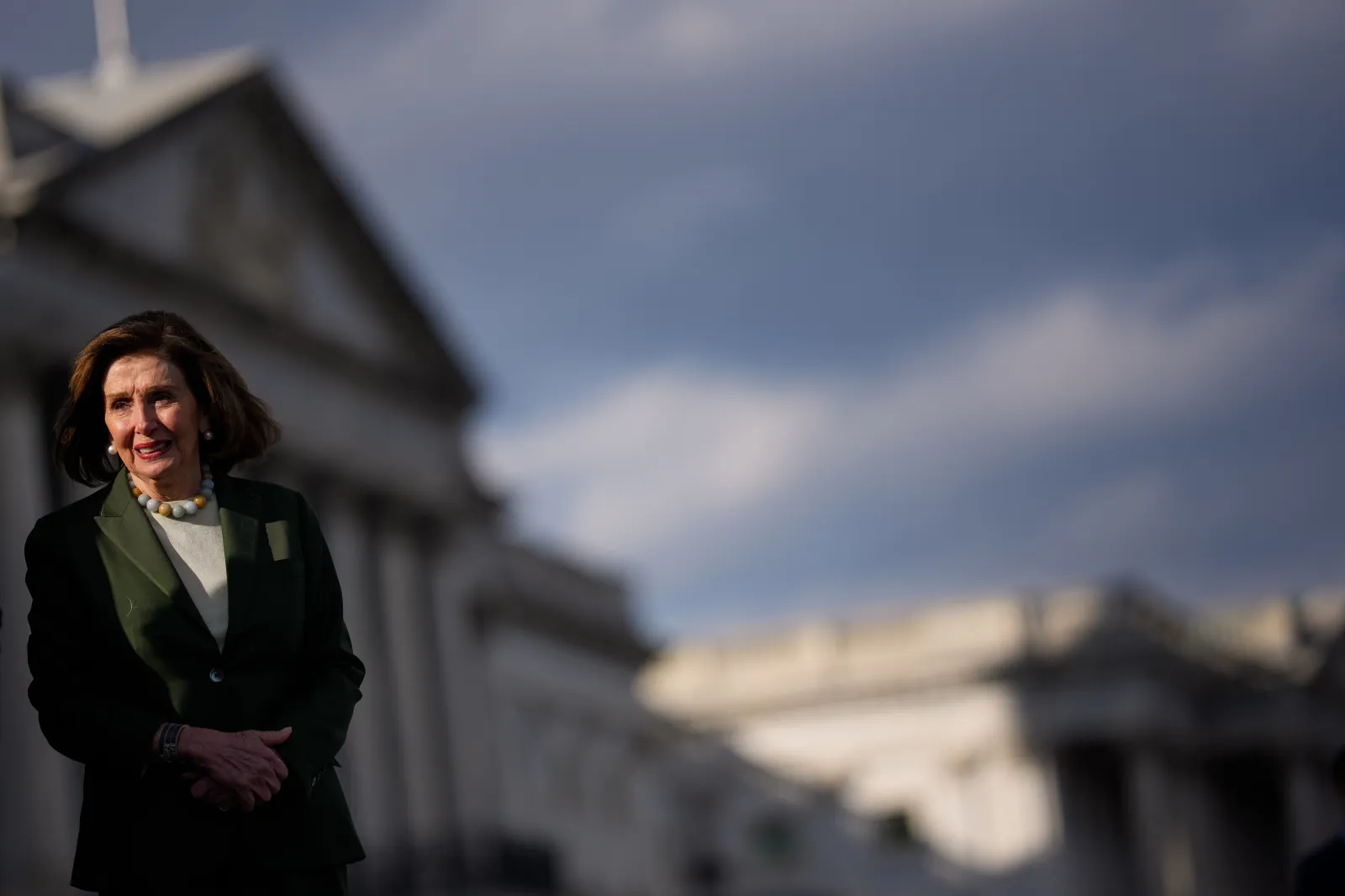
Despite facing grim polling numbers heading into the 2026 midterms, Republicans know who they are—they’re the party of MAGA, and, for now, MAGA is Trump. Whereas, ever since Barack Obama exited the White House, Democrats have faced an identity crisis and inconsistent leadership. As an opposition leader, Speaker Nancy Pelosi was able to effectively galvanize Democrats against Trump.
However, since Joe Biden entered the White House as a supposed transitional leader, the party has been plagued with disunity as the faces of its current leadership, Senate Minority Leader Chuck Schumer and House Minority Leader Hakeem Jeffries, have grown grayer and their ability to galvanize weaker.
For Democratic leaders, the inability to define the party’s future extends throughout its own ideological divisions. The progressive wing of the party that has long been at odds with the more moderate establishment is also facing an inflection point as its two most prominent leaders, Senators Bernie Sanders and Elizabeth Warren, are reaching the twilight of their careers. And Schumer faces just a 24 percent favorability rating, with several Democratic Senate candidates hoping to flip Republican seats this cycle campaigning on the promise of not voting for him as leader if Democrats pull off a long shot and win a Senate majority.
So goes California, so goes the Democratic Party. The Golden State ranks as America’s richest and most populous. Any path to power goes through it, and because of those factors, running statewide in California mirrors running a presidential campaign in ways smaller states just don’t. California is geographically vast and home to some of the most expensive media markets in the country. It’s racially diverse. Its economic sectors are varied. But it’s also safely blue and a fundraising engine that powers Democratic campaigns nationally.
According to OpenSecrets, nearly $1 in every $5 raised by Democrats in federal campaigns in the 2024 cycle came from the Golden State. And so, for outsiders, California might look like the perfect encapsulation of a leaderless party hopelessly mired in disarray—but a closer look at what is happening on the ground there in this pivotal election season reveals the emergence of political forces and dynamics that are already reshaping the Democratic Party as a whole.
1 of 2
A Once-in-a-Generation Transition
Nowhere is this once-in-a-generation transition more on display than in California. Pelosi’s San Francisco seat—about as safe as any for Democrats—in the 11th Congressional District is up for grabs for the first time in 39 years since the former House Speaker first was elected in 1987. After announcing she would not seek reelection, Pelosi has watched her chosen successor, San Francisco Supervisor Connie Chan, struggle. In the June 2 vote, Chan managed to surpass Saikat Chakrabarti, a self-funded tech millionaire who calls himself a “class traitor” and once was Alexandria Ocasio-Cortez’s chief of staff, only to advance to the runoff as the underdog against the more moderate State Senator Scott Wiener.
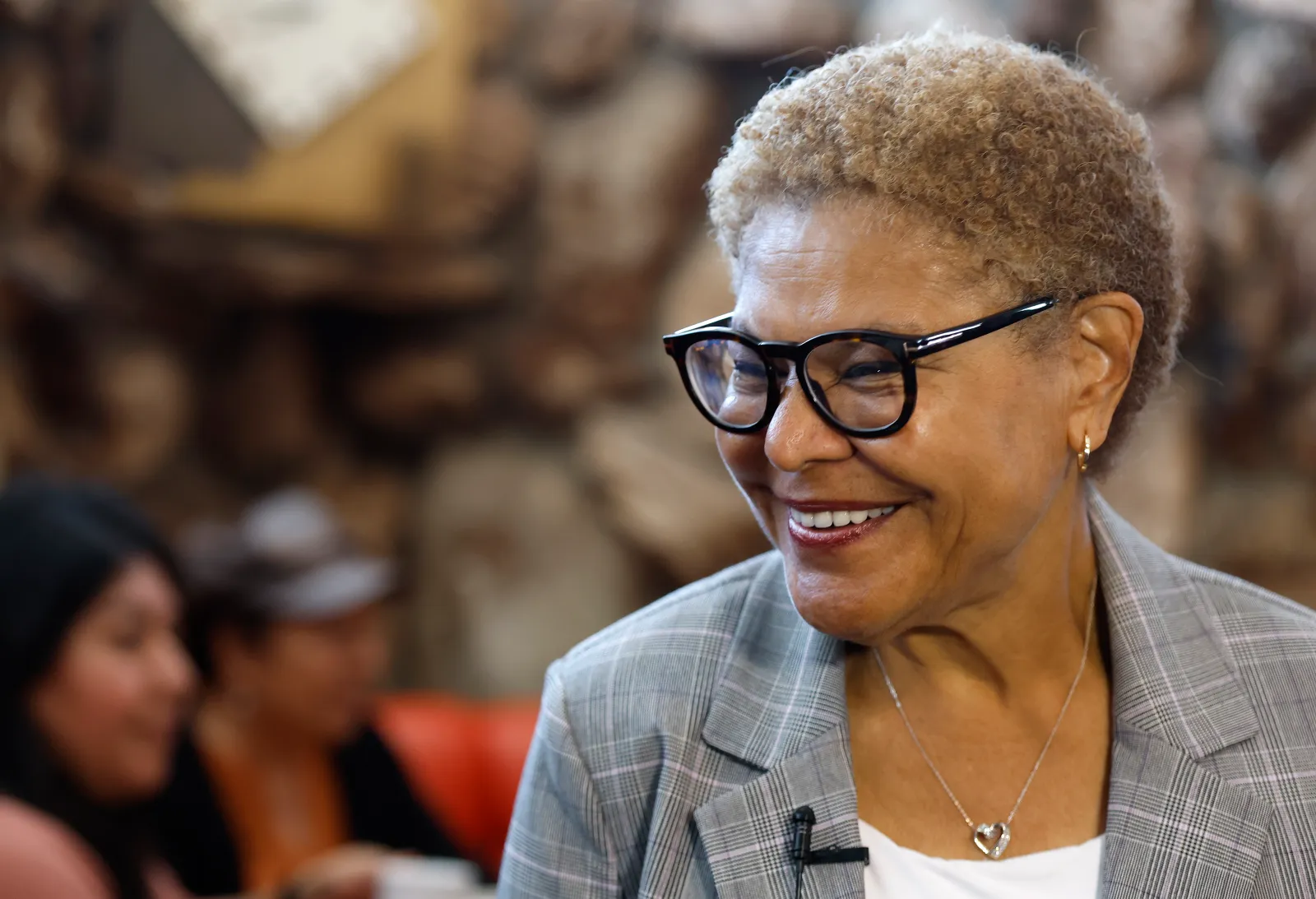
In Los Angeles, which hasn’t elected a Republican mayor in over a quarter of a century, Karen Bass became the first incumbent in 21 years to face a runoff—against Democratic Socialist Councilwoman Nithya Raman—even though the primary ended reality TV villain Spencer Pratt’s quixotic candidacy.
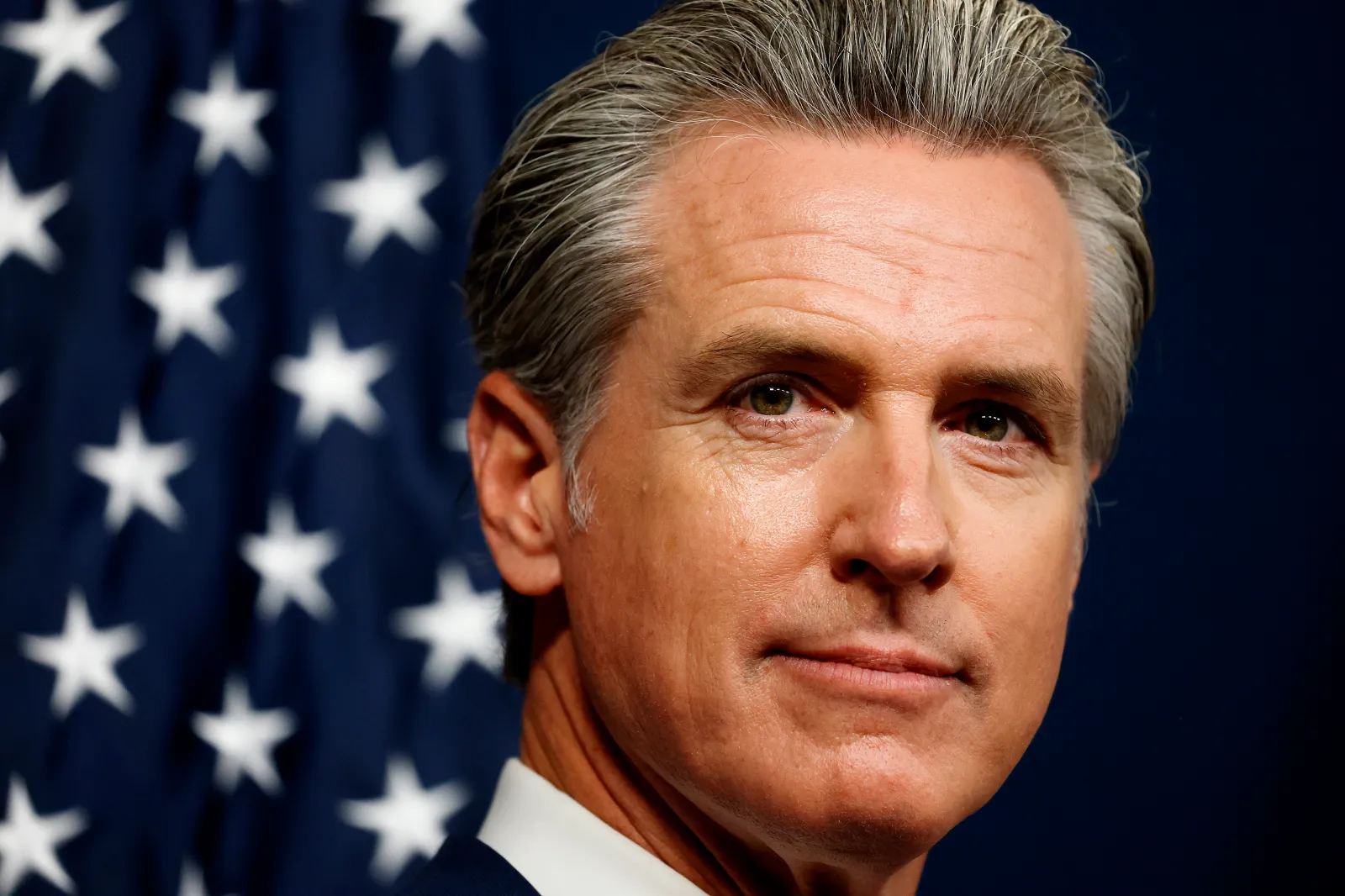
And perhaps most glaringly, Gavin Newsom, one of the party’s leading early contenders for the 2028 presidential nomination, has had little influence in the race to succeed him as California governor. On the Democratic side, the race produced two candidates that neither progressives nor the long-running, San Francisco-based establishment, political home to both Newsom and Pelosi, exactly wanted.
An early progressive wing hopeful, the Gen X former Congresswoman Katie Porter—a Warren protege—never recovered after a video of her verbally bullying a staffer went viral. Then the establishment’s first choice in the race, the charismatic millennial and former Bay Area Congressman Eric Swalwell, ended his bid after multiple women accused him of sexual misconduct, including allegations of rape—all of which he denies.
In their stead, two affable but telegenically challenged 68-year-olds rose to the top: President Biden’s Health and Human Services Secretary Xavier Becerra, who was dismissed as a lightweight and a boring B-lister by the Democratic Beltway crowd, and hedge fund billionaire Tom Steyer, who spent over $215 million on the race. While Steyer had long been one of the biggest superdonors to progressive causes, he could not convince that wing of the party—skeptical of billionaires—that he could be their savior.
Ultimately, Becerra was the candidate who inspired California Democrats, winning 28 percent of the vote in the gubernatorial primary total, followed by Republican Steve Hilton, who carried nearly 25 percent and will also advance to the general election in November. Steyer notched just over 22 percent after spending nearly two-thirds of every dollar in the race, according to AdImpact.
“I think a lot of people were writing off this sleepy race with no rock star names as an asterisk, but I really believe that this is a generational moment in California political history that’s going to have huge ramifications for the country,” said Mike Madrid, a co-founder of the Lincoln Project and a longtime California strategist who made a career of reaching Latino voters, one of more than a dozen Democratic strategists across the state who spoke to Newsweek.
“In many ways, this was kind of a battle of a multiethnic working class punching back against sort of the cultural elites of wealthier white communities that have dominated the Democratic Party for a generation. California has a way of being a trendsetter for the nation.”
Welcome to the ‘Becerra Era’
Rabid excitement fills the air of the Long Beach Arena Pacific Ballroom. Content creators are dancing in constant motion. The DJ is spinning beats. Supporters are continuously entering the orange and blue decorated ballroom, filling some 800 seats around a stage until the room is standing only, with north of 1,000 people. Somehow, this is all for Becerra. An energetic man in a pink suit asks attendees whether they’re ready for the “Becerra Era,” to which they roar in energetic approval. “Tío!” he shouts into the mic. “Xavier!” the crowd yells back.
Becerra grew up the son of Mexican American laborers and went on to become an L.A.-area U.S. congressman and the state’s first Latino attorney general. Though he may not have thrilled national leadership and the state establishment, his American dream story is one that inspired particular devotion from Latinos in California, who make up over 40 percent of the state’s population and are eager to elect the state’s first Latino governor in over 150 years.
By the time Becerra walks on to “We are Family” by Sister Sledge, the crowd can hardly stand the pent-up enthusiasm for their candidate to take the stage. Seemingly unaccustomed to this situation, he tries to calm them down, only for them to erupt in chants of “sí, se puede” (yes, we can), a slogan popularized by United Farm Workers during their labor campaigns in the ’70s that Obama revived in the 2008 presidential election.
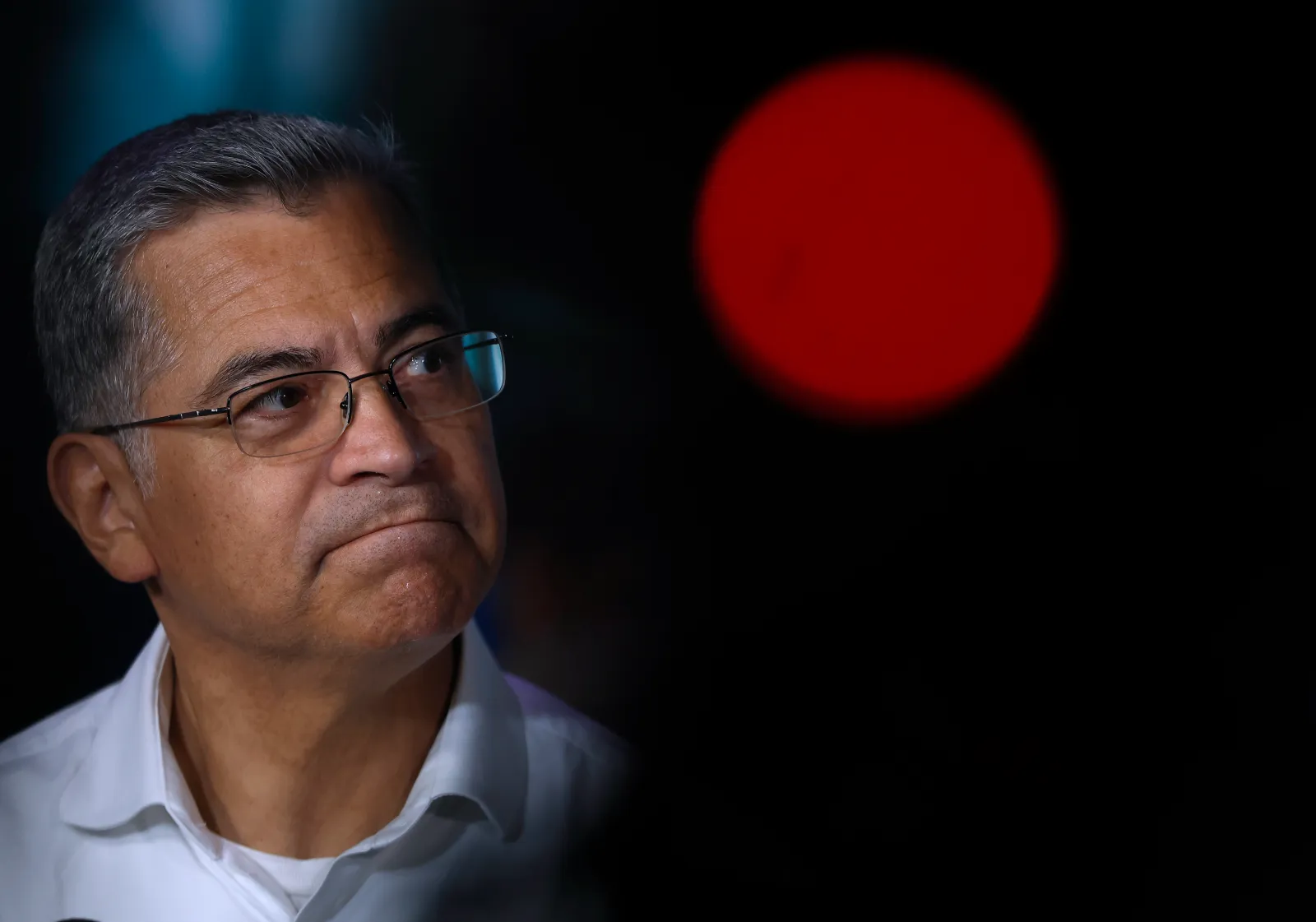
“Competence is cool, and a healthy dose of humility is hot,” Becerra told Newsweek when asked about the excitement surrounding his campaign. In the weeks preceding the June 2 election, this reporter was repeatedly informed of the excitement surrounding Tío Xavier’s campaign, with some staffers saying they haven’t seen anything like it in years. From afar, those claims can be hard to understand. Much of the coverage of Becerra’s campaign focused on how well he was doing in the polls despite lacking a public profile.
“I’ve been the subject of tear downs in the past. I grew up with a family that often was torn down,” Becerra said regarding the critiques. “I don’t need to try to tear someone else down…. It’s not my way.”
Becerra said his popularity is not just about his résumé, but the person he is. He worked as a construction worker alongside his father—a LIUNA union member who built the home Becerra grew up in. “Adults would tell the kids, ‘Hey, study hard, because if you don’t study hard, you end up like that guy along the side of the road digging ditches.’ And of course, that was my dad digging those ditches.”
Becerra went on to attend Stanford University for college and law school before building his long résumé of achievements. That story means a lot to working-class Americans of all stripes, Becerra believes, but it’s California’s Latino community that brought an uncommon kind of enthusiasm to his campaign.
“Our Latino community has been under a lot of duress, and the fact that Becerra has the potential to be our next governor means a lot,” Dolores Huerta, the 96-year-old co-founder of the United Farm Workers, told Newsweek. “Xavier has spent his entire life aligned with working people and labor.” However, Becerra notes that timing also played an important factor in expanding his appeal.
“It’s the experience of having lived through some of those rough times, and now having the experience of having been at the helm of some of the biggest public enterprises, that I think has attracted attention, especially in the face of the catastrophe that happened with Congressman Swalwell,” Becerra said. “With the downfall of Congressman Swalwell, I think people just got a little tired of the glitz, and, as I’ve said, I’m not the richest, and I’m not the slickest candidate, but I am the one that’s delivered results, and I think people are saying, ‘I think I can trust results.’”
From Swalwell to Swal-unwell
When the Swalwell accusations emerged, a video clip went viral of Steyer dancing on stage during a 2020 South Carolina presidential stop to the rapper Juvenile’s hit song, “Back That Azz Up,” with the caption surmising, Steyer now knowing he’s going to be California’s next governor. At the time, Steyer was the second highest polling Democrat, while Becerra was behind Porter and the race’s two leading Republicans, Fox News personality Steve Hilton and Riverside County Sheriff Chad Bianco. Then, something unexpected happened—the next wave of polls showed Becerra rise by roughly 20 percent.
Strategists offered a range of “chicken or the egg” theories for the bump. Some said the polling was faulty and tricked voters and the establishment into believing Becerra had momentum, thus actually leading them toward his candidacy. Others said voters and the state’s top consultants viewed him as the natural Plan B to Swalwell, and that the polls quickly reflected that movement. Whatever the case, most agreed that Becerra’s rise was unprecedented and not easily explainable, including Becerra’s senior adviser Michael Bustamante. Nonetheless, Bustamante offered his best explanation of how their strategy may have resulted in the steep bump.
“The campaign concluded that voters were not paying close attention to the race in early March and thus it’d be better to delay spending to April—the question was when,” Bustamante told Newsweek.
“The secretary landed on early April for running ads and bulking up social media. Then on April 10, the Swalwell news broke and everything changed. People started to pay attention to the gubernatorial election, and people really began to think about who was best to represent them, and they saw Becerra as a steady hand on the wheel.”
Bustamante, who in March joined the team being headed by general consultant Kyle Layman, had known Becerra since the early ’90s and admired his intelligence and kindness. Nonetheless, his loyalty to Becerra did not cloud his willingness to embrace the added heft the campaign attracted after those previously tied to Swalwell became free agents. He said with the addition of these folks, the campaign became more “concentrated and intense,” which has “made all the difference in the world.”
Becerra personally made a call to Courtni Pugh—a lead behind the successful Proposition 50 passage and a top Newsom and Kamala Harris consultant—who joined the campaign as a senior adviser. Pugh said her thought process behind joining Becerra’s campaign post-Swalwell reflected the same reasons why voters shifted his way this election.
“I think I’m like your average voter: I was disgusted, I was shocked, and I wanted someone that I knew I could trust, somebody that had a real record and who was genuine,” Pugh told Newsweek. “Personally, as an Asian American, the chance to elect, like the real opportunity to elect a person of color to the most populous state in the nation, was a life goal.”
She was joined by Lindsey Cobia, Newsom’s “Swiss army knife” and executive director of his Campaign for Democracy PAC. The orchestrator behind Becerra’s energetic events, Abigail Prizmich, also came from Newsom’s world and she tapped his past event executor E2K to pull off Becerra’s attention-grabbing rallies. The state’s top consulting firm Bearstar Strategies—the operation that backed Newsom, Harris, Senator Alex Padilla, Senator Adam Schiff and former Governor Jerry Brown—stepped in to run Becerra’s super PAC, “Working Families for Healthy Communities supporting Becerra for Governor 2026.” That firm is run by Ace Smith, Sean Clegg, and Juan Rodriguez.
As to why so many movements from people involved with Swalwell and linked to Newsom took place, Steven Maviglio—a longtime state consultant and veteran of the former Governor Gray Davis—laid things out bluntly: “Becerra was written off for dead, right? And then the establishment moved in a flash over to Becerra because he was the most likable candidate to their interests, and they didn’t see anybody else. There literally was no one else there. There wasn’t a Gen X candidate to inherit that institutional money and backing that exists. After Swalwell, there was a need for calm, and Becerra fit the bill.”
Multiple people working on the California race offered Newsweek explanations similar to Maviglio’s. To Kate Maeder, a lead strategist for Swalwell who did not move to Becerra, the response to Swalwell’s downfall illuminated key issues regarding the Democratic Party’s curation of talent. “Many saw Eric Swalwell as the future of the Democratic Party. After the chaos of his personal implosion, the establishment was looking for the next best choice for governor,” she told Newsweek.
“To voters, Becerra is a safe placeholder from a weak field. If there is any learning lesson for Democrats, it’s we need to invest in a new generation of leaders who can communicate with authenticity, heart and a commanding vision for the future.”
A Different Kind of Billionaire
This is not the first time in politics the Establishment has anointed a candidate to immediate success at the behest of progressives. In 2020, Sanders once again found himself on the rise in the Democratic presidential primary, and centrists were divided without a young, charismatic, Obama-Bill Clinton-type to knock him off.
At House Whip Jim Clyburn’s World Famous Fish Fry, they coalesced around the experienced and affable Biden. The left wasn’t quite as enraged as when the establishment pulled this move against Sanders in 2016 by propping up Hillary Clinton, but since Biden faltered in the debates and the forces that be immediately rallied around Harris—only for her to lose—the Democratic Party has been in a cold and sometimes hot civil war.
What’s most aggravating for progressives is they could’ve had this one. Becerra was supposed to be weak. They could’ve sent their guy to the governor’s mansion in America’s most important state. The only problem is, they faced the same bench-building issues as the establishment, but lacked the institutional framework to get their chosen boomer across the finish line.
One mustn’t forget, the establishment is the establishment because it has established a coalition that voters find better than any other, and California progressives ultimately failed to execute in breaking that coalition apart.
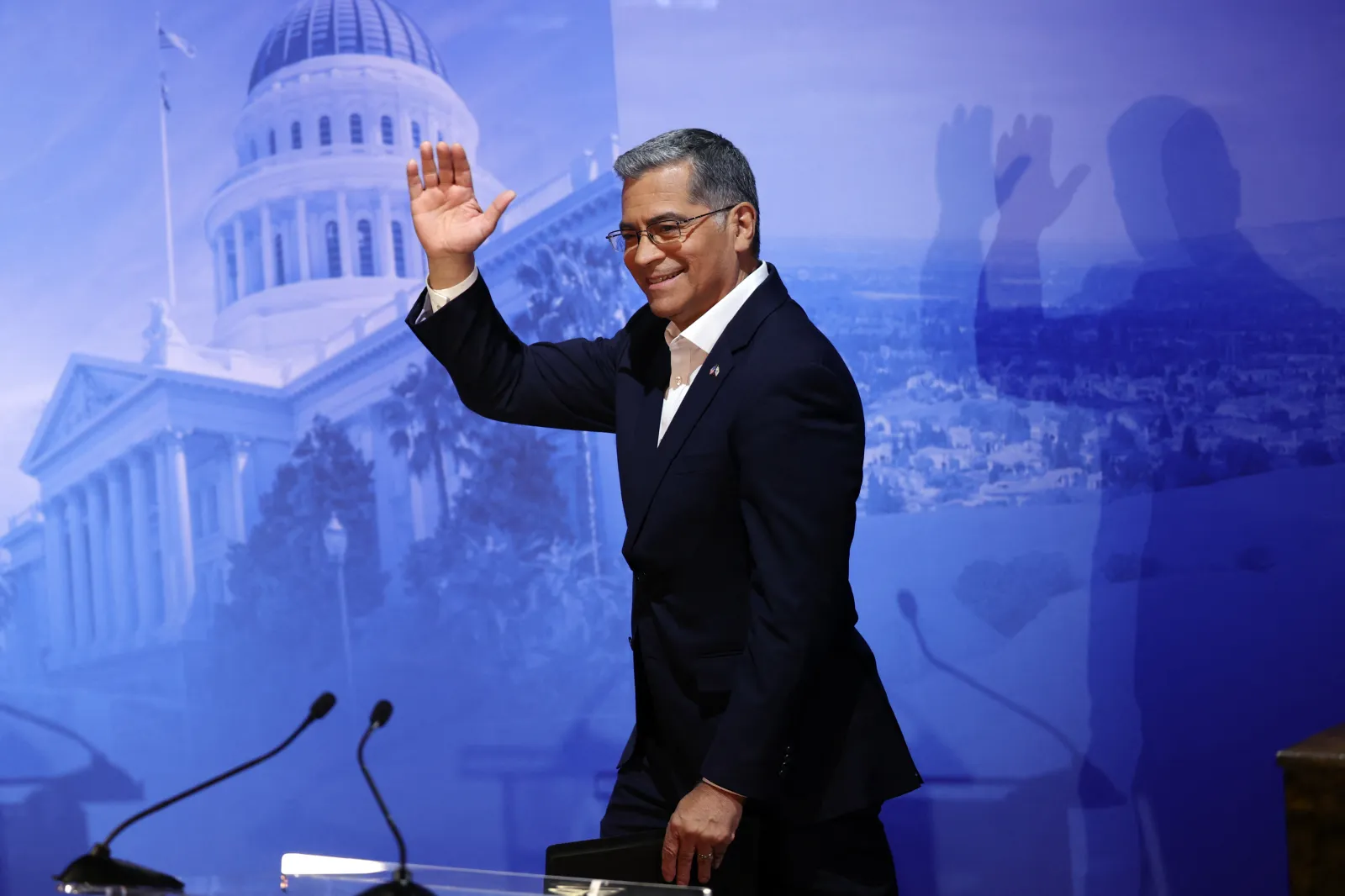
Becerra was bound to get more politician endorsements, but rarely do those make much difference in the race. In Democratic politics, the endorsements that really matter come from activist groups and organized labor, which deploy members to campaign on behalf of their chosen candidate. These endorsements, particularly labor, are especially important in California, the nation’s eighth most unionized state. Labor endorsements are an area where progressives can hold a key advantage over the more business-friendly establishment.
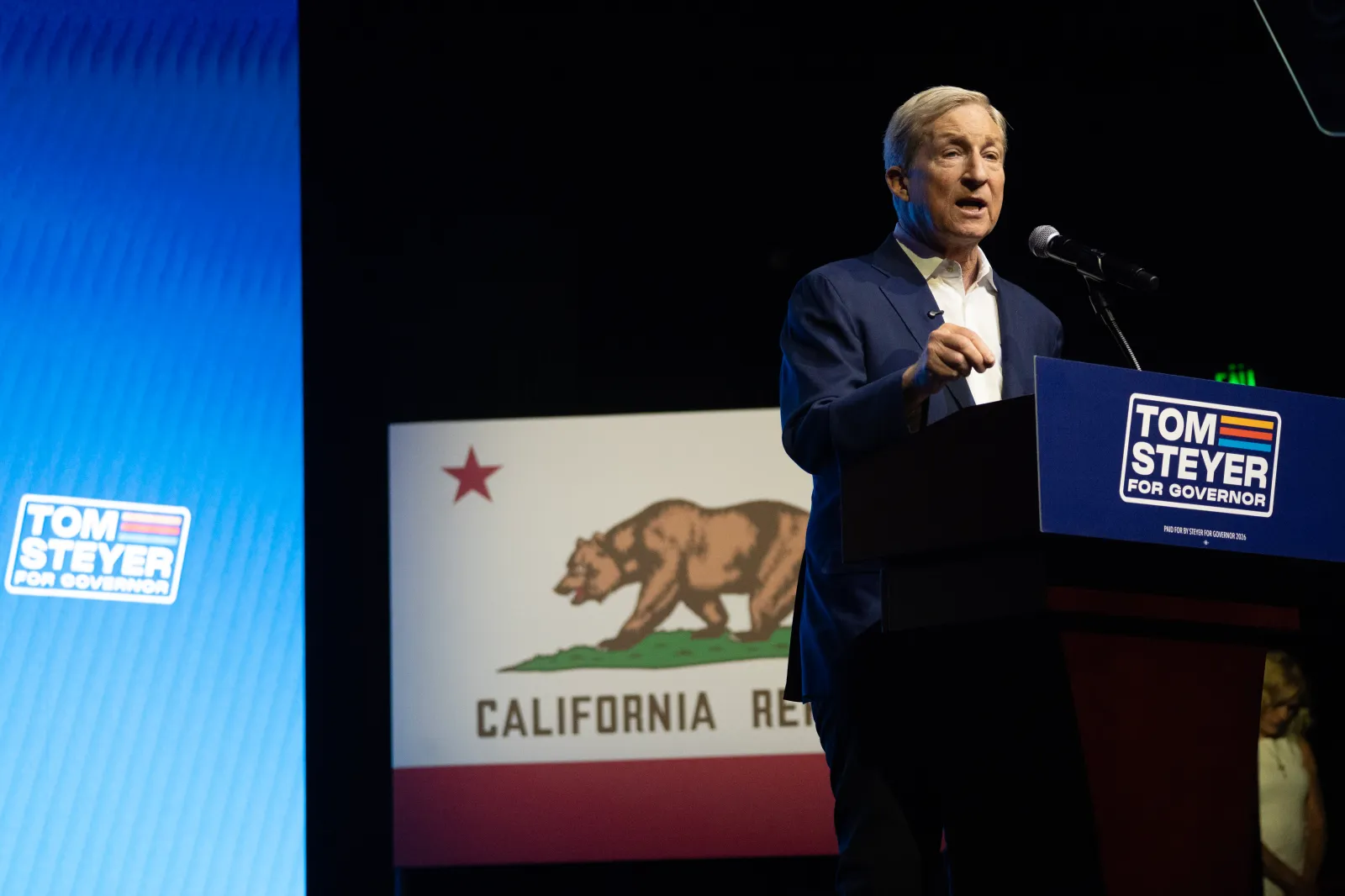
Steyer campaigned on holding corporations to account and requiring them to pay up taxes, calls that could have won over organized labor in wide swaths. However, that wasn’t the case. Each attracted close to the same number of union endorsements.
Steyer got the California Federation of Labor Unions/AFL-CIO (the state’s most powerful labor endorsement) as well as the California Teachers Association and the California Nurses Association. Becerra got the State Building and Construction Trades Council, the International Longshore workers and the California Professional Firefighters. Notably, the two each got endorsements from Service Employees International Union, the state’s largest union.
“I think the split made all things equal,” said Pugh, who was instrumental in Becerra’s labor strategy. “In the state of California, labor is a big dog—SEIU, CTA, in particular, and then the trades carry a very big stick—[and] I think that they likely played the race in a way where they’d be good with Steyer or Becerra…There’s nobody that mobilizes for issues, for ballot measures, for issue advocacy more than organized labor.”
In terms of advocacy groups, Steyer attracted the Sierra Club and Becerra attracted Planned Parenthood. Again, there was no runaway victor in that arena either. Steyer bested Becerra in the cash race, but in the end, that may have worsened his prospects. Though Steyer wanted to be viewed as more than a billionaire, that label constantly followed him.
“I try to think of people, including myself, as individuals, so I don’t want to think of myself in a category with other people,” Steyer told Newsweek. “But look, it’s true: I’m not taking any money from any corporations, so I don’t have to do what they want. That’s one of the strong points of my candidacy, that I can be truly uncomplicated, unconflicted in standing up for working people.”
Steyer spoke about how his mother, who once worked for Newsweek, served as a teacher for underprivileged youth in Harlem, then later educated incarcerated people. His brother advocated for at-risk children. He said he was an outlier in his family by starting a business but, while doing that work, became disillusioned with corporate life and felt compelled to head a more service-oriented career. Newsweek attended two Steyer town halls, where he fielded questions of all kinds with ease.
Progressive strategists said corporations were spending against him because they knew he’d overturn the Sacramento status quo, and Our Revolution—a Sanders-affiliated outreach organization—campaigned for him because they knew he could be a progressive change agent. His campaign was active and coordinated media relations with ease. Steyer even employed the nation’s hottest progressive strategy firm—Fight Agency, which boosted New York Mayor Zohran Mamdani, Senator John Fetterman, and Senate candidate Graham Platner.
Short of borrowing billionaire Illinois Governor JB Pritzker’s playbook—Steyer told Newsweek he did not seek Pritzker’s advice—he made what would seem to be all the right moves. Still, California’s progressive establishment, or lack thereof, did not coalesce around him, exposing issues the movement could face in 2028.
 ‘The Best of the Choices That We Have’
Dan Levitus, a history Ph.D. who founded LA Forwarded, which produces one of the city’s most influential progressive voter guides, thought he was making one relatively controversial decision and one relatively uncontroversial decision this cycle. He thought he was going to get significant pushback for recommending voters back Raman over Bass to lock GOP reality star Pratt out of the L.A. mayoral runoff.
Instead, he received angry calls and had members cancel their subscriptions over the organization’s decision to recommend Steyer.
“Normally, people don’t cancel their memberships over our recommendations,” Levitus told Newsweek. “I would rather not support a billionaire, but I think he’s clearly the best of the choices that we have, given the concerns I have about Becerra and Porter…. But I think even though all the progressive organizations backed Steyer, and Becerra has taken money from oil, it doesn’t matter to people because Steyer is an old white billionaire.”
Along with Sanders, Warren has built her movement around assailing the nation’s billionaire class. Her protege Porter rose to prominence doing just that, grilling CEOs in congressional hearings with her once-famous whiteboard demonstrations. Central to progressivism, though, is a sense of doing good, and progressive strategist after progressive strategist told Newsweek they could not consider backing Porter given what they knew about her treatment of staff.
That reality couldn’t have been lost on Porter, who, having served in Congress from 2019 to 2025, boasts a network in the state. In the end, her nearly 4.5 percent of the vote could’ve buoyed Steyer over Becerra, so why didn’t she drop out?
Newsweek cannot know why for sure. Despite multiple interview requests, Porter’s team didn’t even provide a comment. However, those within the state’s progressive ecosystem have a plausible theory—Porter is stubborn, and the state’s progressive establishment is not strong enough to have pushed her out. Daraka Larimore-Hall, one of the state’s top progressive strategists and a former state party vice chair, doesn’t blame Porter for not dropping out, although he thinks she should have. Instead, he blames the inability of progressive organizations to coalesce.
Larimore-Hall said there was no process, formal or informal, to get the state’s progressive organizations on the same page to put their joint firepower behind one candidate. Those with the clout to lead such a process never made moves to do so, he said. It doesn’t help that progressives don’t have a clear leader who rank-and-file progressives can hold responsible to play that role in state politics.
While Ro Khanna acts as the California version of New York’s Ocasio-Cortez in the U.S. House, the state doesn’t have a comparable presence playing the role of New York City Mayor Mamdani in state politics.
This issue is compounded by the fact that California doesn’t have partisan primaries; instead it has its unwieldy jungle primary. Because anyone can run as a Democrat and these folks are mixed in with Republicans, Larimore-Hall said it’s harder to hold the establishment to account, given the number of factors at play. That structural difference is one of the things that makes California different from Massachusetts or New York and a reason why the state has yet to produce a Mamdani-like figure, he said.
“The Zohran phenomenon is a combination of a charismatic, talented, principled politician and an activist base that’s been building up over multiple elections, and we haven’t had the same kind of synergy in statewide politics in California in a while,” Larimore-Hall told Newsweek.
“Because of the dominance of the Democratic Party, it’s harder to pull together a coalition that’s willing to consistently push for change or push for primarying underperforming Democrats, because everybody who would be in that coalition is somewhat dependent on a good relationship with them if they win.”
The Steyer-Becerra matchup put that reality on display. As noted, labor made dual endorsements and Steyer struggled to break apart the ruling coalition. Larimore-Hall said California is notable in that there are clear corporate Democrats and clear left-wing progressives, but the range in the middle is vast. Becerra, with his working-class roots and ties to labor, fits somewhere in that continuum, making it all the more a challenge for Steyer to sway working-class Latinos to his side. On top of that, Steyer didn’t exactly make a full-throttled effort to knock Porter from the race.
“I would never want to second guess somebody to make decisions about how to treat things for themselves,” Steyer said, when asked about calling for Porter to drop out. “I never think that way. As far as I’m concerned, my job is to present my case to Californians.”
So Goes California, So Goes the Party
While the current generation of California leaders could very well live on at the national level, with Newsom and Harris regularly leading 2028 presidential polls, come November the state will commence its next chapter. In Washington, America could well see a Speaker Jeffries instead of a Speaker Pelosi, and in the Senate, there’s a real chance of Democrats departing from Schumer.
With the party frayed and leadership on the hot seat, what direction the party takes in this moment will prove defining ahead of 2028.
The Becerra Era could prove the first step in Democrats moving away from the Clinton-Obama emphasis on the professional class to embrace its working-class roots, with racial pluralism its center. Becerra made clear he sees building the bench as a key part of his job, emphasizing that “to be the party of the big tent, that we really have to include people who come from different parts of that tent.”
Someone he sees as a future leader in that mission is 46-year-old California State Assembly Speaker Robert Rivas, who shares a story similar to Becerra’s. Like the secretary, Rivas came from modest roots, growing up under a single mother and living in farm worker housing. He struggled with a severe stutter that he still grapples with today.
Nonetheless, Rivas went on to earn an MPA and was elected to public office in 2018. Multiple strategists mentioned him as the future of California politics, and as they look toward him for leadership, he plans to build on the lessons he’s learned from watching Becerra.
“How I rose to become speaker of the assembly was just to focus on the work, and very similar to the example that was set by Xavier, I let my work do all the talking.… My focus is not on grabbing headlines,” Rivas told Newsweek. With Becerra’s win, he believes a new generation of leaders, many from their shared background, will emerge in that mold.
“I think Xavier’s most enduring legacy is going to be something much, much bigger, and that is that he helped a generation of young people, especially children of immigrants and working families like me, see themselves not just as these participants in democracy, but as leaders capable of shaping the future,” Rivas said.
For progressives, the situation is different. Their second choice failed to meet the moment. Internal squabbling once again prevented them from realizing their goals, and the movement has no proven road map on how to turn California bluer in the near future. Steyer told Newsweek that as governor, he would have focused on building the progressive bench. Without him as governor, progressives still lack a clear figure who can lead that effort.
Nonetheless, Assemblymember Alex Lee, the chair of the state progressive caucus and a Steyer endorser, saw in the race that Steyer’s ideals inspired a competitive coalition. If the movement had coalesced, they could have delivered their candidate to victory. Heading into the future, he believes that Steyer’s coalition can be built upon to achieve future success.
“The trend we’re seeing is California’s becoming more and more progressive, and its legislature is becoming more and more diverse,” Lee told Newsweek. “If California can become a true progressive fortress of so much change, I think we could also see even more and more people come our way across the country.”
What truly constitutes working-class support and what coalition holds the power to lead Democrats into the future remains uncertain. In a few months’ time, Los Angeles will decide between a Mayor Bass and Mayor Raman. They’ll choose whether they want Pelosi’s pick in Chan or a product of the state legislature in Wiener. No matter what happens, though, Becerra will ride his multicultural, business-friendly, working-class coalition to defeat Hilton in November and serve as a bridge between the current establishment and the party’s future.
What the next iteration of the establishment looks like could mirror the coalition that paved the way for his victory, or it could revert back to the professional mold set by the longtime leaders of San Francisco. Or perhaps progressives will unify and push Becerra to embrace the ideals of Steyer. But what’s clear is there are few kingmakers or ideological factions able to determine what’s next. That future will be determined by the leaders who are able to energize the next generation.
The same will be the case in 2028, except the candidate who emerges there will face the unrestrained passion of MAGA and a successor to Trump.
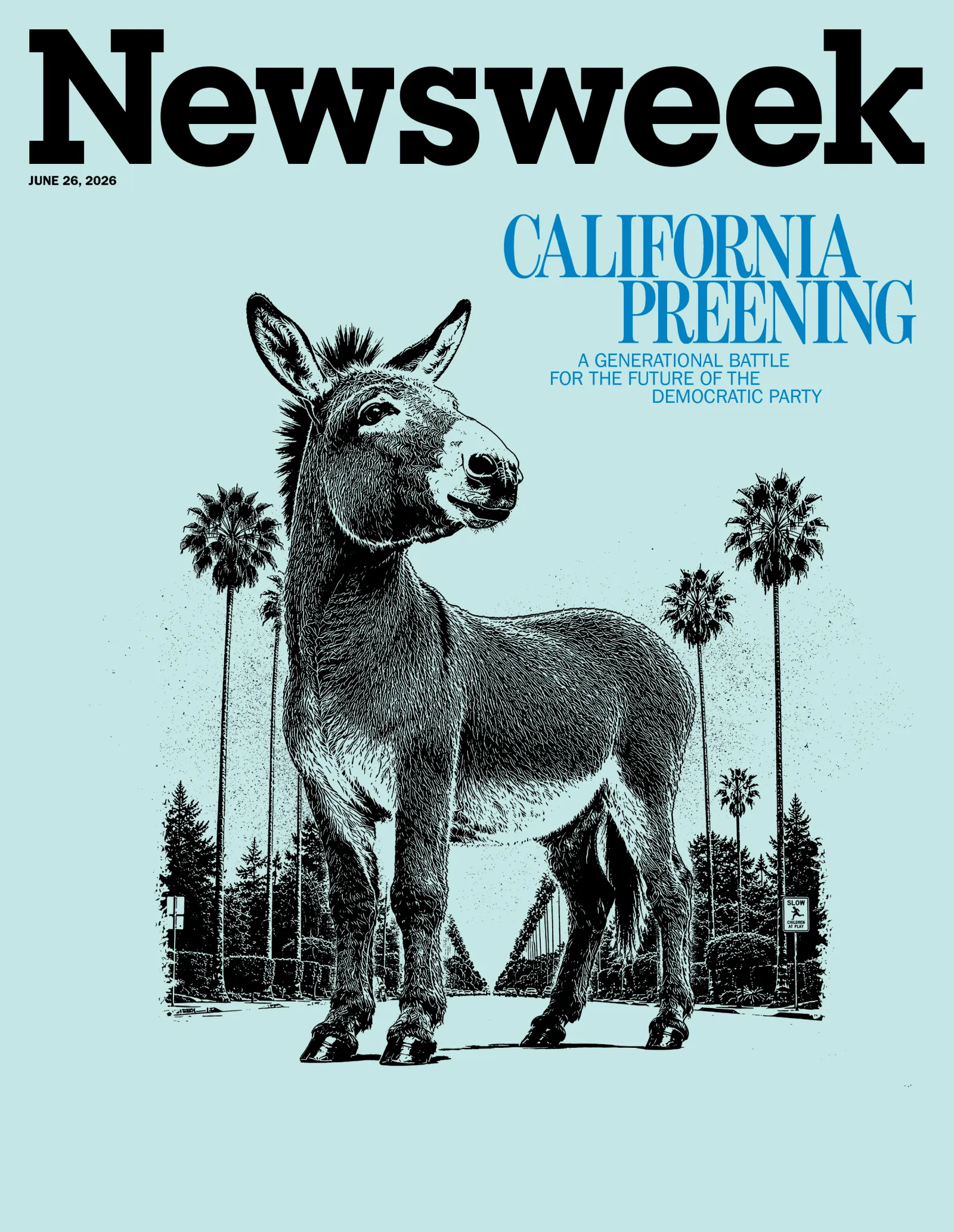
Illustration by Gregori Saavedra for Newsweek