
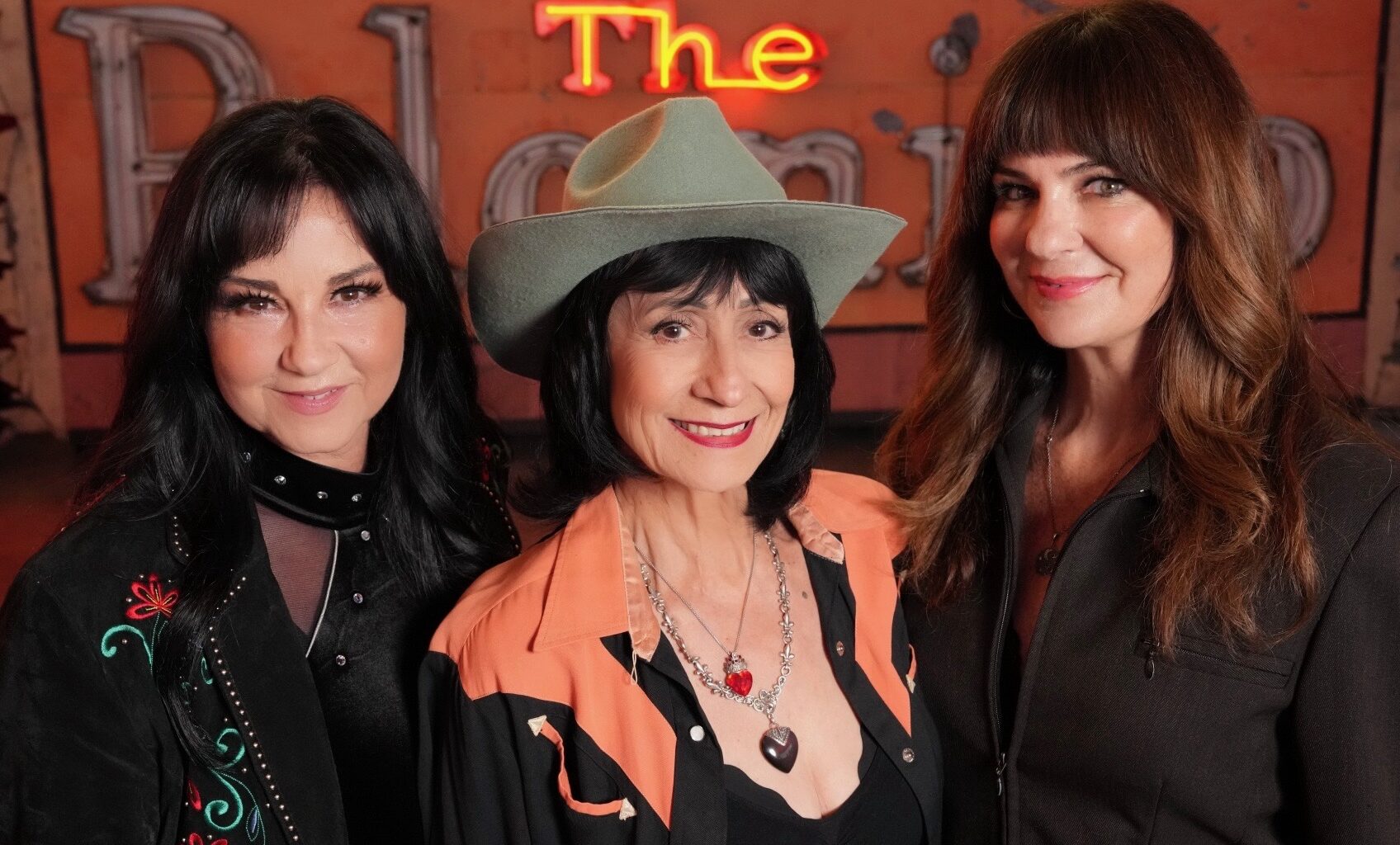
The North Hollywood nightclub thrived from the 1950s to the 1990s, showcasing talent from Willie Nelson to Linda Ronstadt
Even if you whizzed by at 50 miles an hour, you knew The Palomino was something special. Aside from the giant neon horseshoe and rearing horse floating up above, the names on the huge marquee were enough to catch even the most jaded L.A. eye. Linda Ronstadt? Jerry Lee Lewis? Hank Williams Jr.? Really? In this neighborhood?
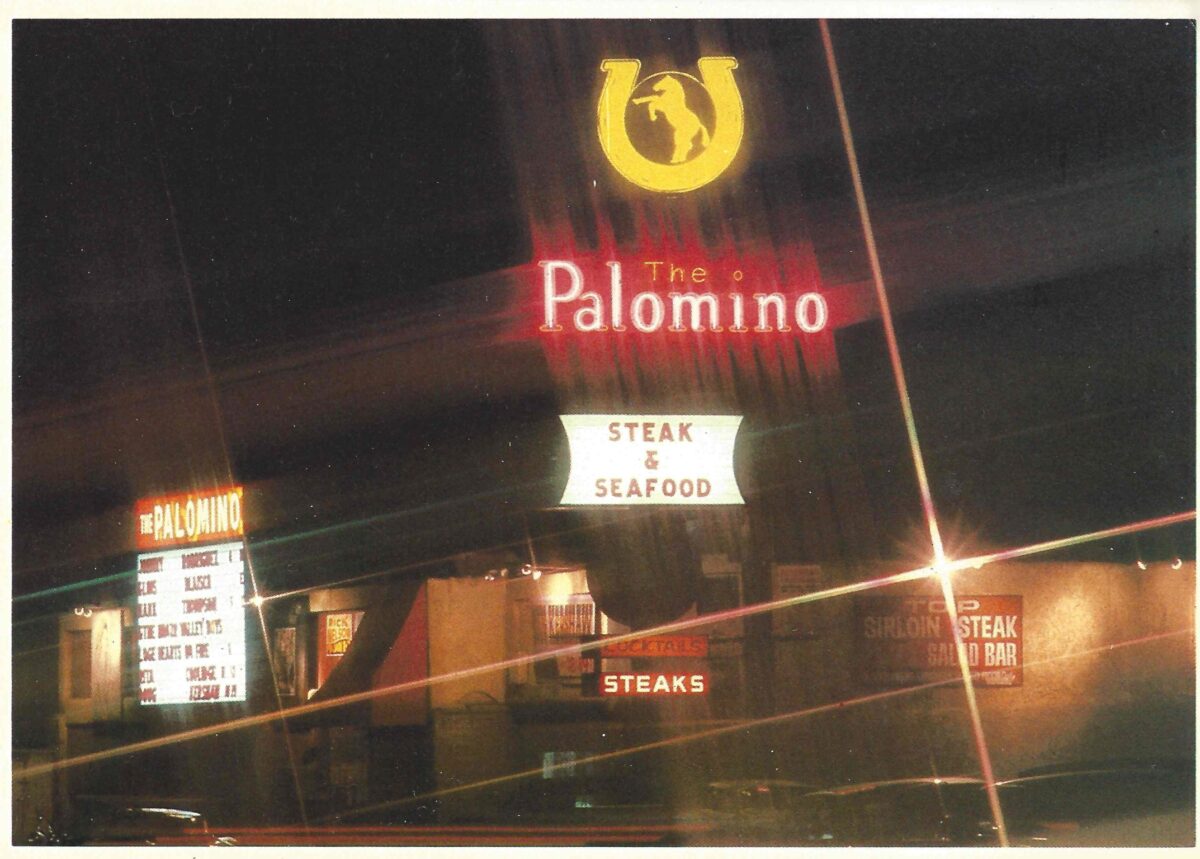 The Palomino in North HollywoodCredit: Photo Courtesy Tommy Thomas
From 1949 to 1995, the modest nightclub in North Hollywood attracted the biggest names in country and western music on stage and in the audience. Tonight, the Grammy Museum is hosting a special advance screening and panel discussion with the cast and filmmakers of the new documentary film The Palomino. “It sold out in nine minutes,” director Adrienne Isom tells Los Angeles. “So we called our friends at the Valley Relics Museum (for another screening) and that sold out in one day.” Tickets are still available for another screening at Campus Jax Supper Club in Newport Beach on July 19.
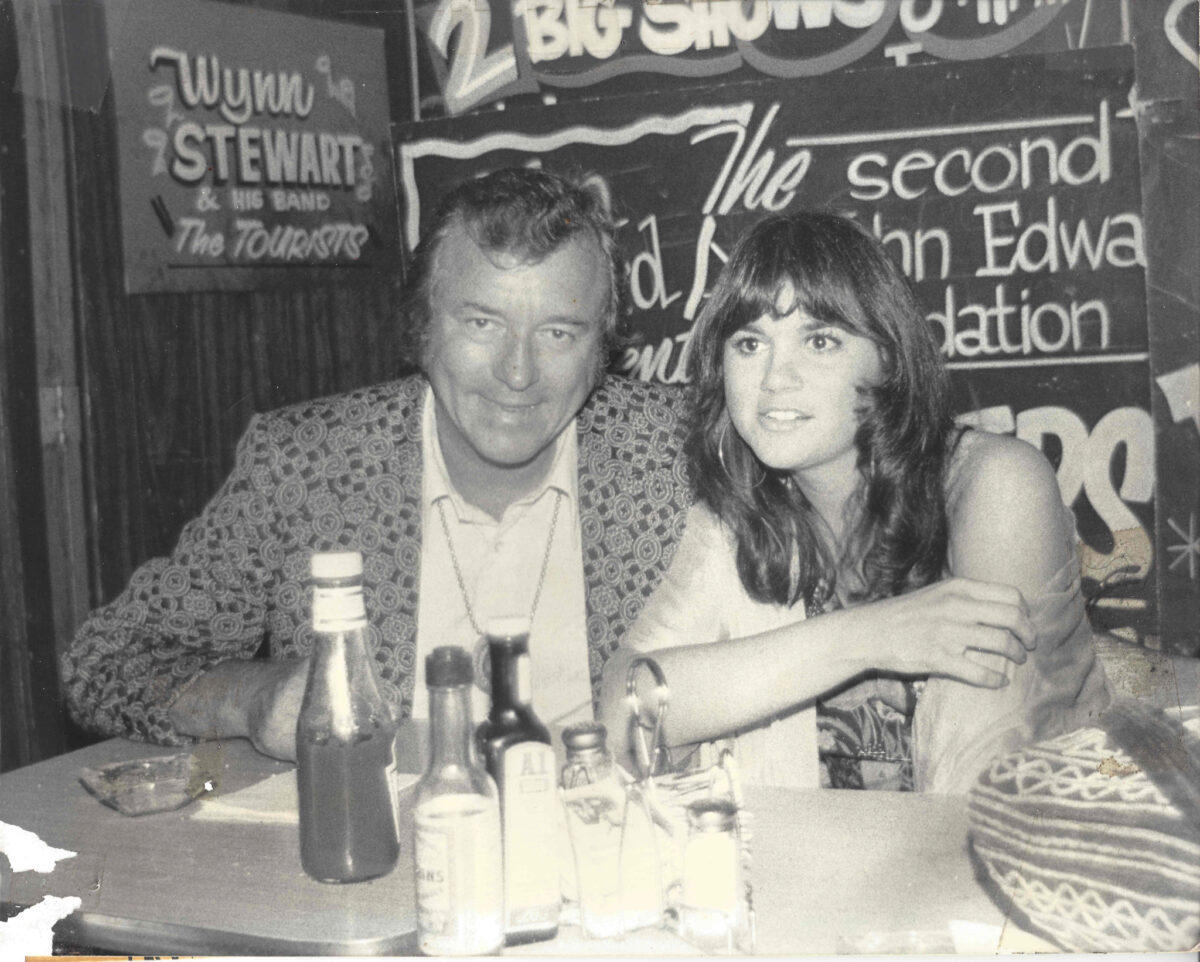 Palomino owner Tommy Thomas and Linda RonstadtCredit: Courtesy Gary Thomas
Music lovers are still passionate and care deeply for a venue that closed before Waterworld and Windows 95 came out. “We bought a camera,” Isom says. “And made this film with blood, sweat, tears and credit cards.” Isom and partner KP Hawthorn, who wrote the film, met as musicians playing the same stage at Stagecoach and went on to found Mule Kick Records together. In 2018 they brought the legendary nightclub back for a night with a reunion concert at the original location that brought back not only bands that had made their name at the Palomino but also that original neon sign, now on display at the Valley Relics Museum.
“When Willie Nelson first performed there, he looked like he worked for IBM,” onetime cocktail waitress Robyn Robichaux told Los Angeles in 2014. “You saw the biggest names in the world. They were playing, like, the Forum, but they’d also be at the Palomino. For God’s sake, we had half the Beatles show up one night and the Rolling Stones on another.”
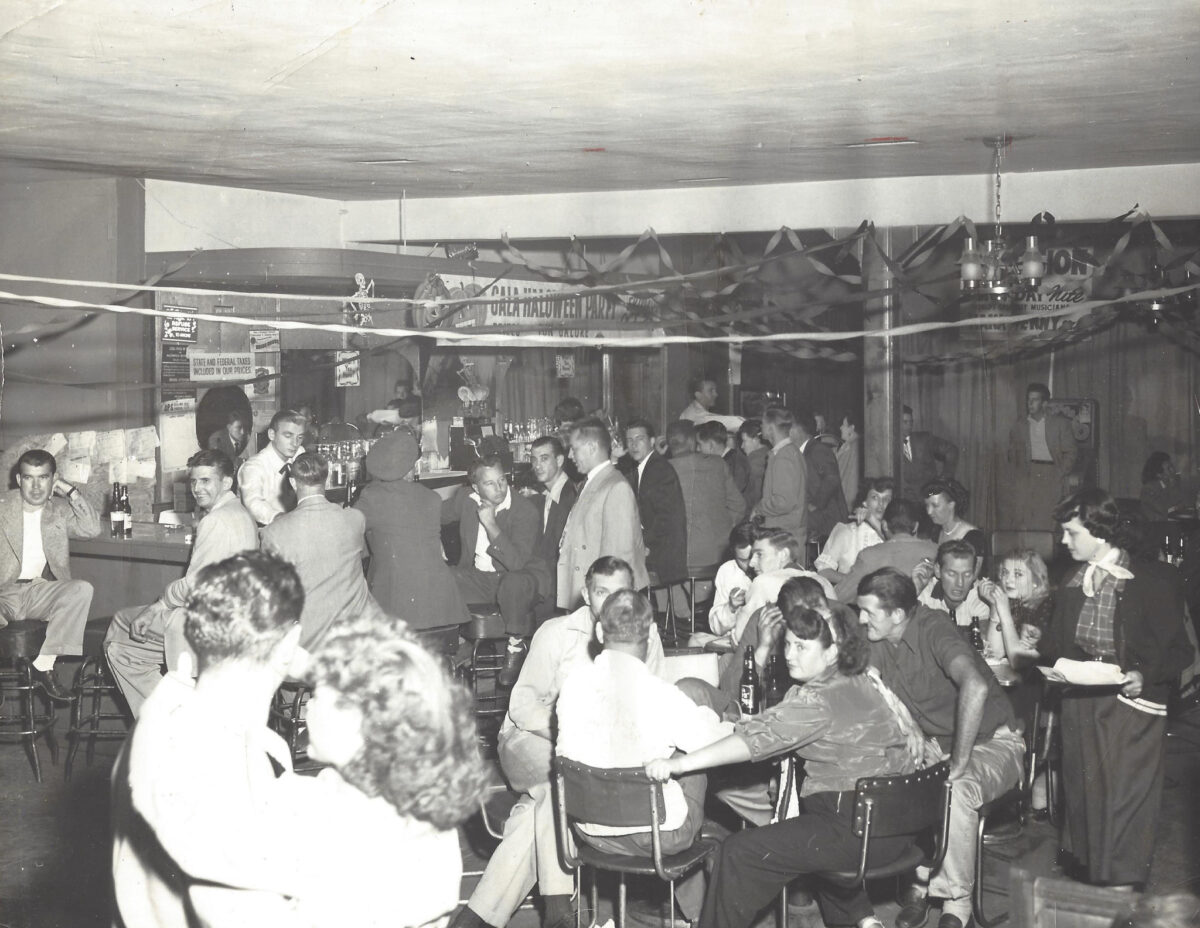 Inside the Palomino during the 1950sCredit: Photo courtesy of Gary Thomas
“Without the Palomino,” Isom says. “There would be no Lucinda Williams, no Emmylou Harris, no Dwight Yoakam, no Rosie Flores, no Linda Ronstadt and no Gram Parsons.” The filmmakers call the Palomino the second most important venue in the history of country music, behind only the Grand Ol’ Opry in Nashville, and explain how L.A. reinvented country while adding rhinestone and fringe. “All this sound was coming out of Capitol Records, and the artists are being outfitted by Nudie’s (Rodeo Tailors) just down the street,” Hawthorn explains. “Then Leo Fender shows up with his Telecaster guitar and says, ‘what do you think? Try this out.’ It made for a magical scene that was happening here because it was Hollywood.”
Scroll to continue reading