
Sacramento city leaders have passed new zoning laws for marijuana dispensaries, adding churches to the list of locations requiring a 600-foot buffer zone.This along with allowing dispensaries in residential mixed-use areas, limited commercial zones, and central business districts. “The legal businesses are not your enemy. We’re the ones trying to understand dosing and help people with cannabis in a way it can be used medically,” owner of The Pocket Dispensary in Sacramento, Mindy Galloway said. Galloway, who has worked in Sacramento’s cannabis industry for 10 years, attended Tuesday’s city council meeting to support the dispensary-to-dispensary buffer restriction. “Any streamline of policy will be helpful to us,” she said during the meeting. Reflecting on the new zoning rules, Galloway said they will make it easier for dispensaries to find suitable locations. “That will let them have an easier time to find a location and get a building location for their businesses that I didn’t have,” she said. She also described the challenges she faced when opening her own dispensary. “When I opened my storefront, it was a very hard process,” Galloway said. “To get this up and find the location for the building was one of the most difficult parts of the process.”The updated rules also require dispensaries to maintain a 600-foot buffer from churches. Reverend Darryl Heath of St. John Missionary Baptist Church voiced his concerns during the council meeting. “My question is why would you want it next to the church? Why would you even question? A place where you’re trying to help people overcome, and they’re met with what they’re trying to overcome. It doesn’t make sense,” Heath said. Galloway acknowledged the concerns from the community.”A lot of what the no is from, is from community fear,” she said. “That opportunity to educate is still there.” Another issue raised during discussions was the impact of illegal cannabis on teens and young adults. Galloway noted that illegal growers and sellers hurt her business and expressed hope for common ground that could lead to greater understanding.See more coverage of top California stories here | Download our app | Subscribe to our morning newsletter | Find us on YouTube here and subscribe to our channel
SACRAMENTO, Calif. —
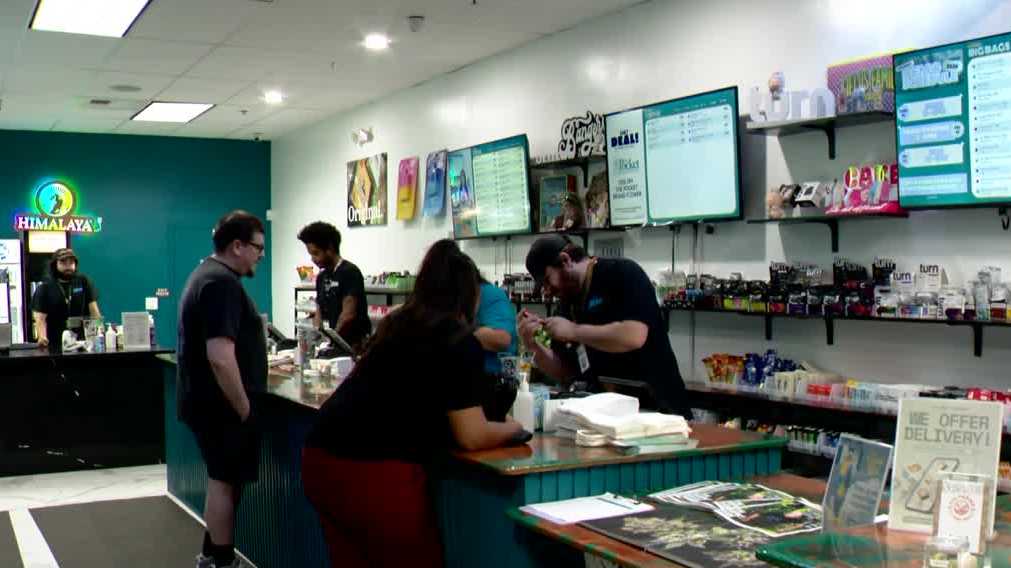
Sacramento city leaders have passed new zoning laws for marijuana dispensaries, adding churches to the list of locations requiring a 600-foot buffer zone.
This along with allowing dispensaries in residential mixed-use areas, limited commercial zones, and central business districts.
“The legal businesses are not your enemy. We’re the ones trying to understand dosing and help people with cannabis in a way it can be used medically,” owner of The Pocket Dispensary in Sacramento, Mindy Galloway said.
Galloway, who has worked in Sacramento’s cannabis industry for 10 years, attended Tuesday’s city council meeting to support the dispensary-to-dispensary buffer restriction.
“Any streamline of policy will be helpful to us,” she said during the meeting.
Reflecting on the new zoning rules, Galloway said they will make it easier for dispensaries to find suitable locations.
“That will let them have an easier time to find a location and get a building location for their businesses that I didn’t have,” she said.
She also described the challenges she faced when opening her own dispensary.
“When I opened my storefront, it was a very hard process,” Galloway said. “To get this up and find the location for the building was one of the most difficult parts of the process.”
The updated rules also require dispensaries to maintain a 600-foot buffer from churches. Reverend Darryl Heath of St. John Missionary Baptist Church voiced his concerns during the council meeting.
“My question is why would you want it next to the church? Why would you even question? A place where you’re trying to help people overcome, and they’re met with what they’re trying to overcome. It doesn’t make sense,” Heath said.
Galloway acknowledged the concerns from the community.
“A lot of what the no is from, is from community fear,” she said. “That opportunity to educate is still there.”
Another issue raised during discussions was the impact of illegal cannabis on teens and young adults. Galloway noted that illegal growers and sellers hurt her business and expressed hope for common ground that could lead to greater understanding.
See more coverage of top California stories here | Download our app | Subscribe to our morning newsletter | Find us on YouTube here and subscribe to our channel