
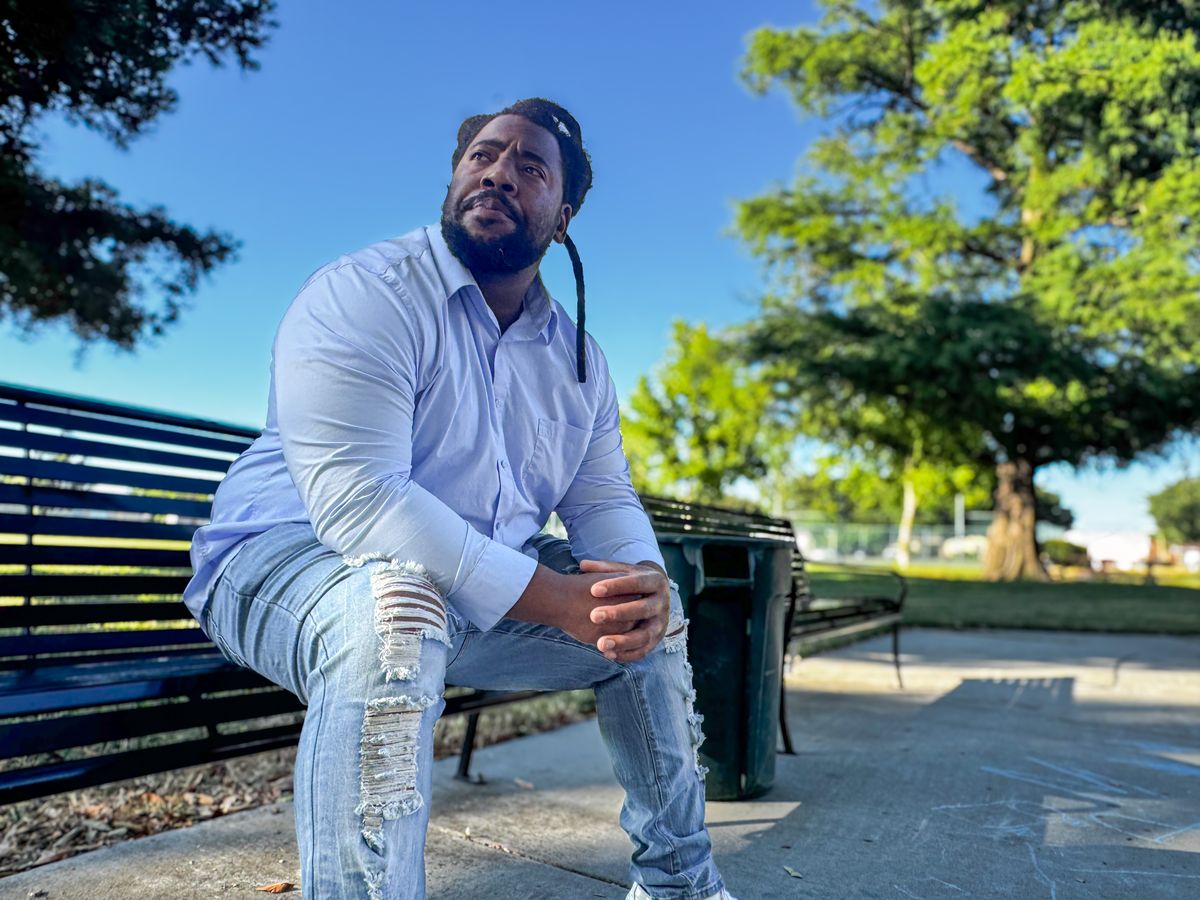
“If there is any shortage in funding or in staffing, the city should still want to prioritize resources toward things that are really going to show an effect on public safety,” Victory says.
What’s Working Elsewhere
The contrast with other California cities grows sharper as Sacramento’s oversight infrastructure shrinks.
San Francisco moved first. After SFPD leadership decided to confront its own stop data disparities, the department convened an ad hoc committee that included members of the police commission, civilian oversight, and the ACLU. That process produced a finalized policy banning pretextual stops for approximately nine specific vehicle code violations identified as producing the sharpest racial disparities. Implementation faced legal challenges from the police union, but the policy held.
City officials, including the San Francisco public defender’s office, have reported at least a 10% reduction in the disparity of Black drivers stopped.
Los Angeles took a different path. On May 6, the Los Angeles City Council passed a motion prohibiting LAPD from initiating stops for all equipment and administrative violations unless there is a significant and imminent safety risk. The Push LA coalition — including Catalyst California, Community Coalition, ACLU SoCal, and Black Lives Matter LA — had pressed for the change since 2019. A council motion in 2020 put the city on a pathway toward a ban; what followed was a years-long bureaucratic struggle.
“This is a huge landmark achievement for the city of Los Angeles,” says Chauncee Smith of Catalyst California. “It will help improve the lives of many people of color [and] prevent them from being subjected to racially biased stops and the harms that come with them: dehumanization, trauma, harassment, intimidation, and police violence.”
Moving violations such as speeding, DUI, illegal U-turns, swerving, and tailgating, remain fully enforceable under the ban. The policy targets the discretionary, nonsafety stops that the data consistently show are used, as Smith put it, as “a fishing expedition to find evidence of more criminal activity” — and that leave a mark even when they turn up nothing: time lost, anxiety compounded and, for some drivers, the beginning of a legal or financial entanglement they did not invite.
Nationally, 32 jurisdictions across 16 states have limited or eliminated nonsafety traffic stops, with research showing crash rates unchanged or reduced and community trust improved. Sacramento, by contrast, is moving in the opposite direction: no pretext stop policy, no search and seizure policy, a shrinking oversight office, and a growing police budget.
The Audit Continues — For Now
Following Watson’s exit, OPSA Acting Director Jody Johnson confirmed the traffic stop audit would proceed. Johnson says OPSA is working with the city attorney to clarify the inspector general’s authority, noting that the prior city attorney memorandum establishing that authority remains in effect. The audit is projected for completion by July, subject to changes in data availability or legal guidance.
But if the proposed budget passes as written, the office completing that audit will have lost the position legally empowered to act on its findings in the most serious cases. The audit may conclude; the position of inspector general, authorized to pursue officer-involved shooting investigations, may not exist.
Victory is direct about what the data represents on the ground. The constitutional violations it documents are not procedural abstractions. They arrive in people’s lives as searches, detentions, citations, suspended licenses, lost jobs, and criminal legal entanglement — concentrated in Black Sacramento across every income level.