
San Francisco officials are taking aim at so‑called “zombie” grocery stores, as part of a broader effort to tackle rising food costs and improve access to affordable groceries.
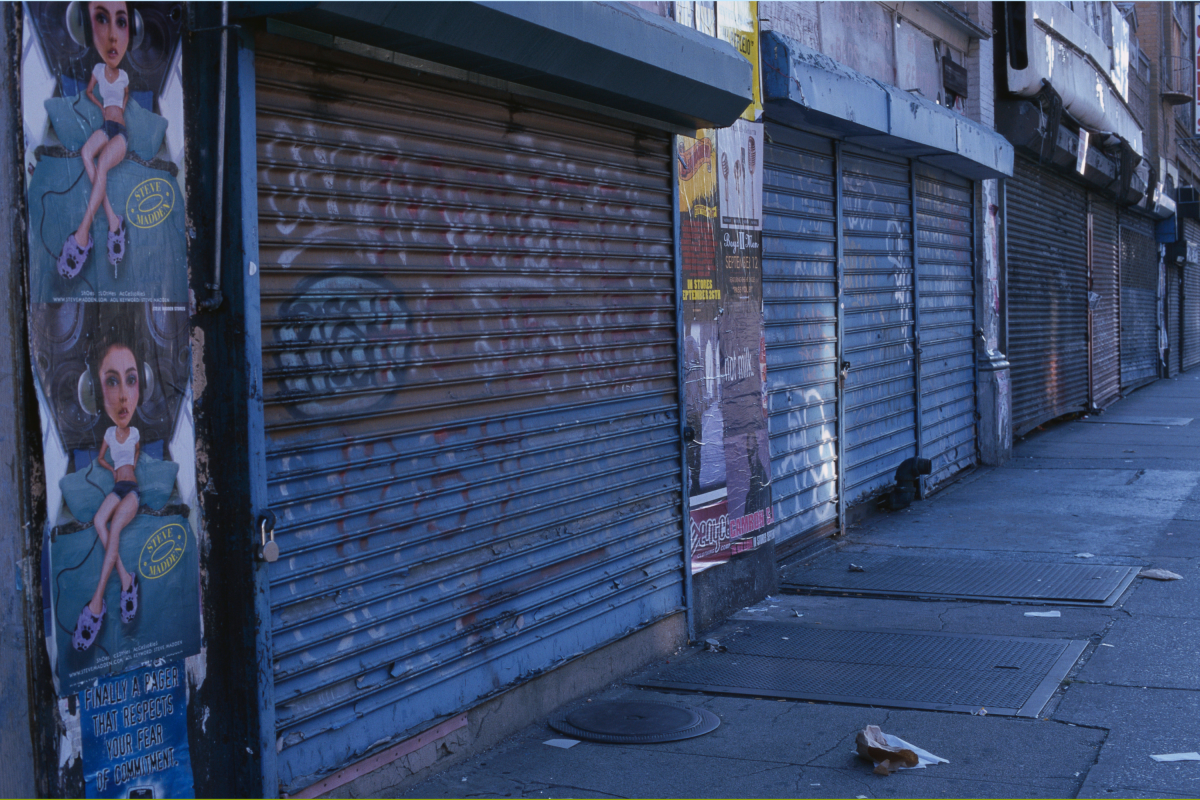
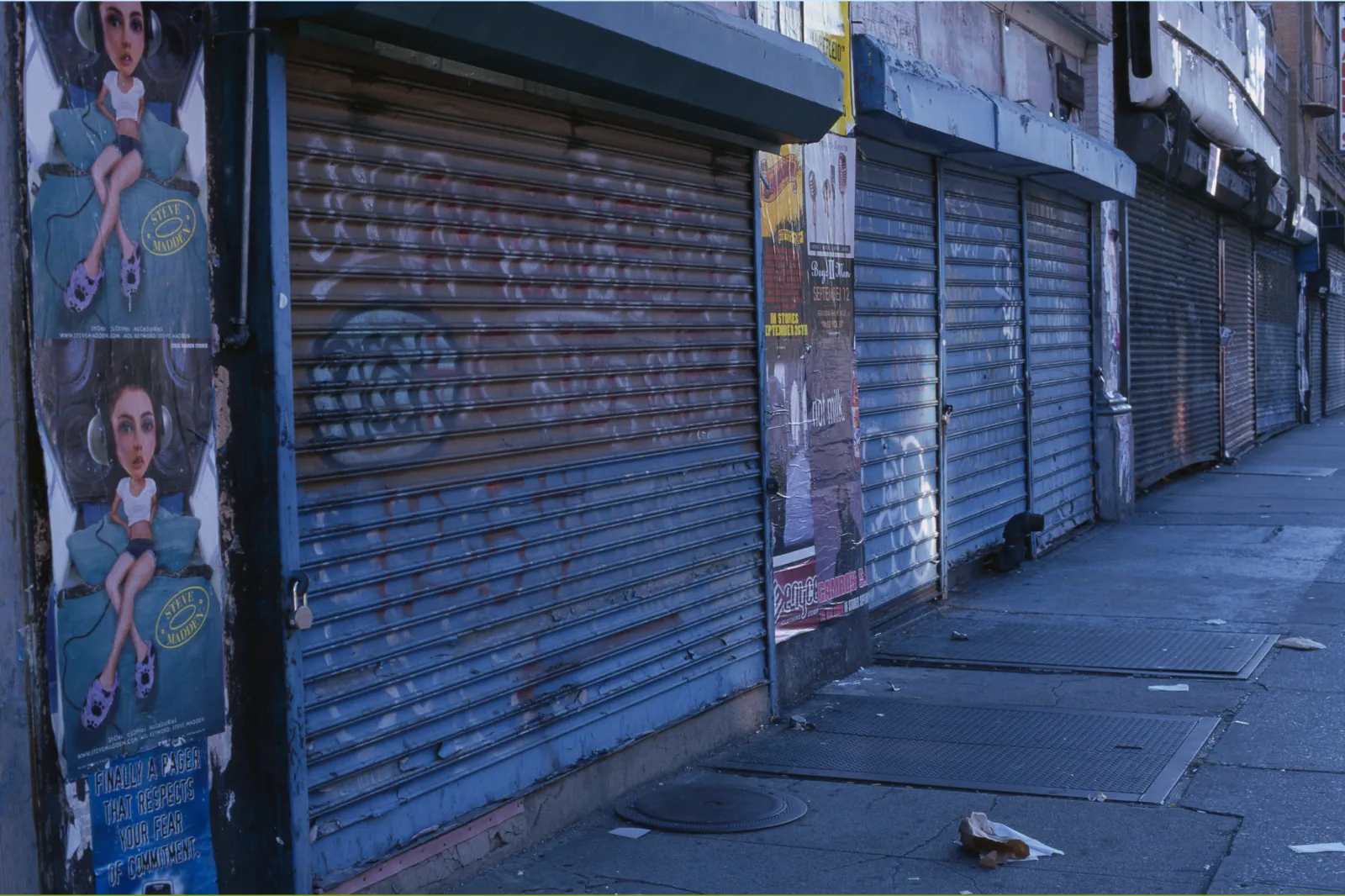
The term “zombie stores” refers to grocery stores or pharmacies that are closed to the public but are still technically occupied by corporate tenants that hold onto their leases.
According to city officials—reported by outlets including KQED and Supermarket News—some large chains are deliberately keeping these storefronts empty, preventing competitors from moving in and leaving neighbourhoods without access to nearby food or prescription options.
Read More on News
This trend has contributed to what experts describe as a growing “food desert” problem in parts of the city, where a lack of fresh food retailers can leave residents more vulnerable to food insecurity. In some neighbourhoods, residents—particularly seniors and low‑income families—are being forced to travel long distances to buy groceries or fill prescriptions.
 The Policy Response
In response, San Francisco supervisors, including Bilal Mahmood, have proposed the Affordable Groceries Act, a package of measures designed to “comprehensively address both food inflation as well as the food crisis that we’re facing in San Francisco,” according to Mahmood.
The Act would push companies to reopen or relinquish those ‘dead’ spaces to improve access to affordable food.
At the heart of the plan is a vacancy tax, which directly targets large grocery and pharmacy chains that are leaving these storefronts empty. The idea is simple: make it financially unattractive to keep these stores closed.
At the same time, the policy aims to incentivise new businesses to move in. It would offer tax credits and make it faster and easier for grocery stores to get the approval they need to open in the vacant buildings, effectively creating a “carrot and stick” approach.
Revenue generated from the tax would help fund an Affordable Grocery Fund, which could be used to subsidise food prices, support community grocery initiatives, or help bring new markets into underserved areas.
Why Focus On Food Costs?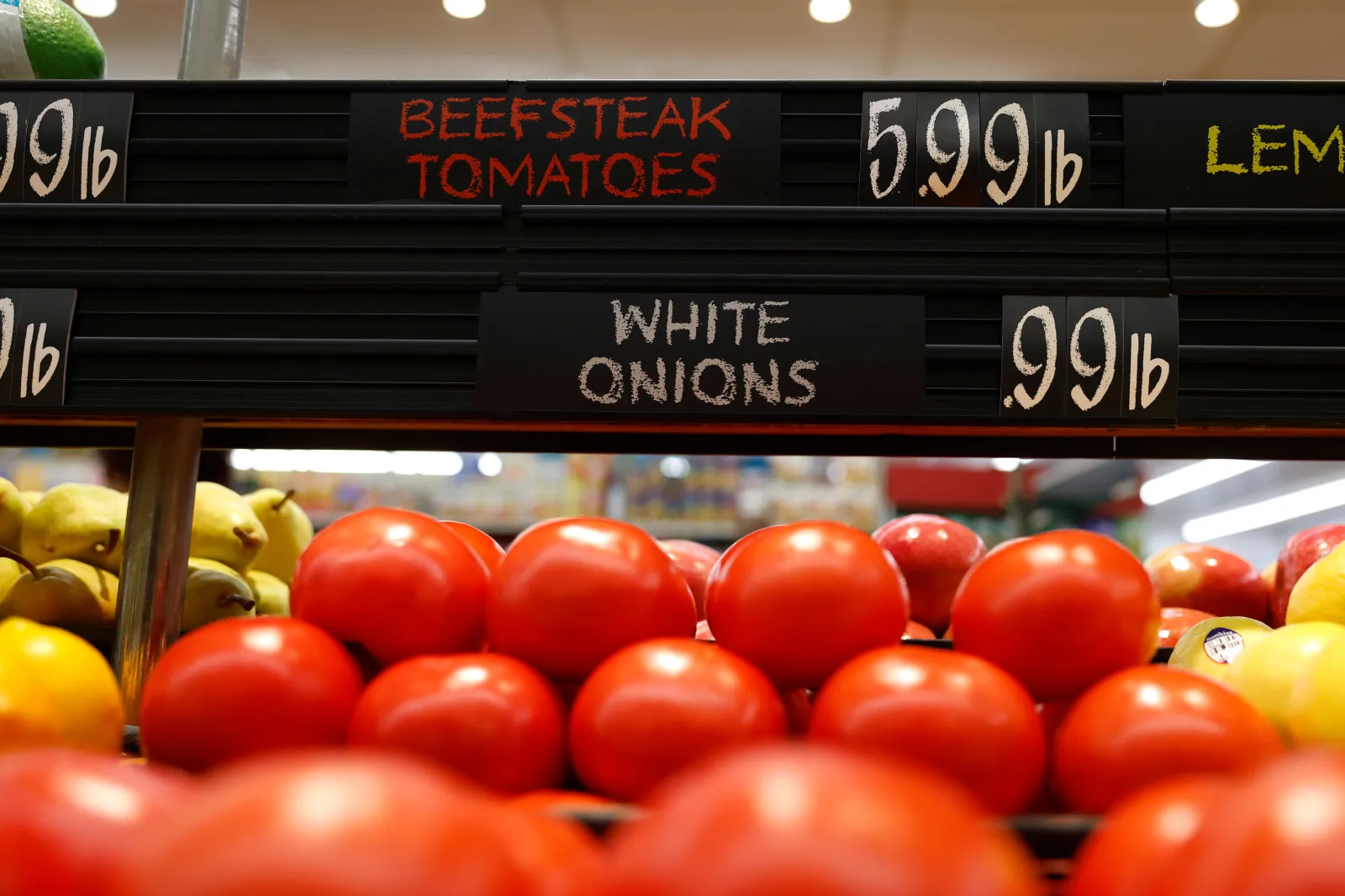
The push comes amid broader concerns about the rising cost of food in the United States.
Federal data has shown that prices for groceries have climbed significantly in recent years, contributing to affordability pressures for households. While exact figures vary over time, the trend has been widely documented by federal agencies tracking consumer prices.
Overall, food prices were about 27 percent higher in 2025 than in 2020, according to Consumer Price Index data.
In San Francisco, the impact is especially acute. Officials say nearly one‑third of residents living below the poverty line are food insecure, underscoring the urgency of expanding access to affordable groceries. The San Francisco Food Security Task Force reported that about 28 percent of lower-income residents (including those earning up to twice the poverty level) struggle to afford enough food.
By targeting vacant storefronts, policymakers hope to boost the number of neighbourhood grocery options and reduce barriers such as long travel distances and limited choice—factors that can push food costs higher for consumers.
What It Could Mean For Consumers
If implemented, the proposal could reshape how residents access food:
More local grocery options: Filling empty retail spaces could bring supermarkets back into underserved neighbourhoods.Lower prices: Subsidies and increased competition could help bring down the cost of everyday essentials.Improved convenience: Shorter travel distances could particularly benefit older adults and low‑income families without reliable transport.A Broader National Trend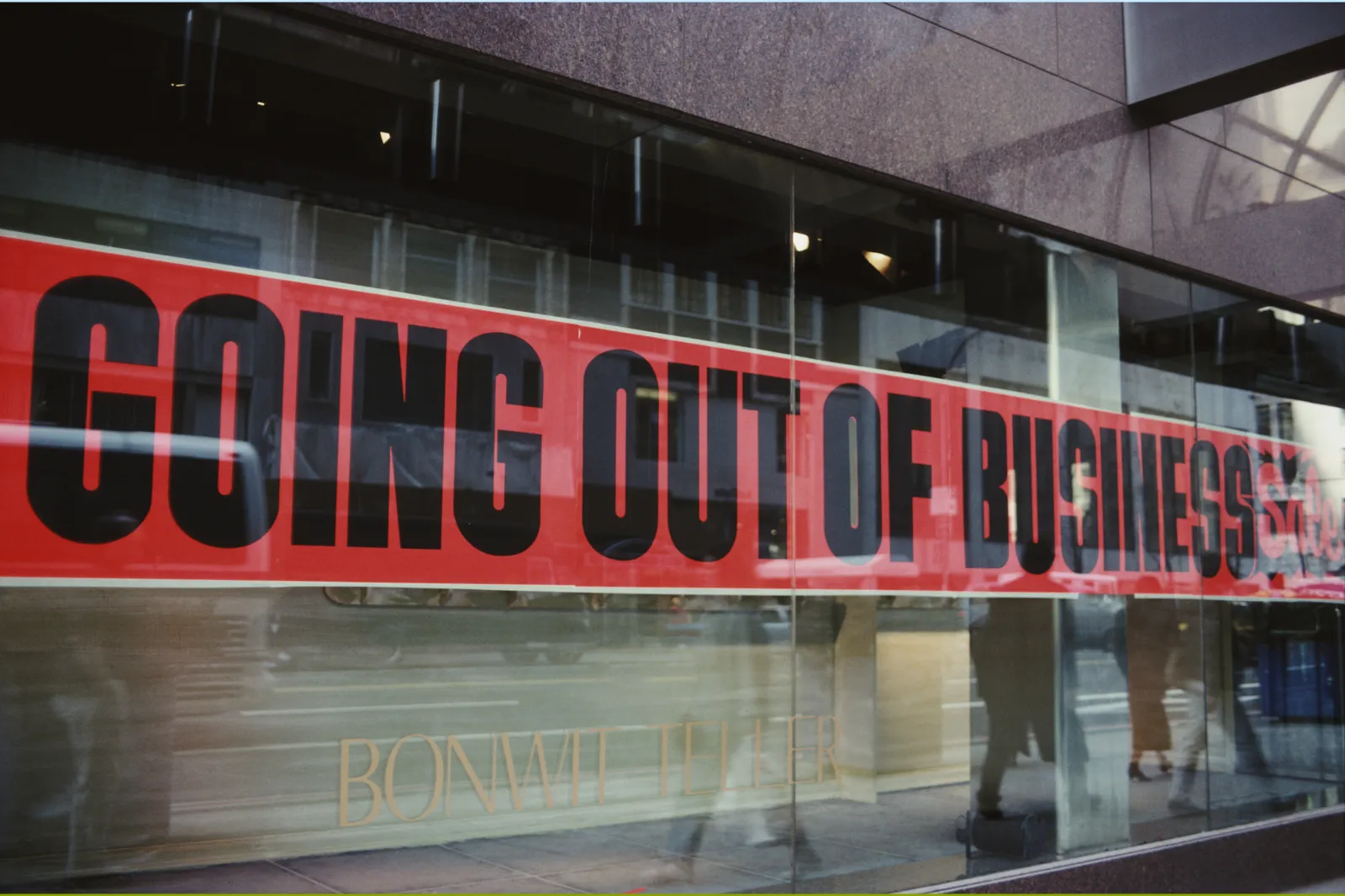
San Francisco’s plan reflects a broader trend of governments trying to tackle the combined problem of empty storefronts and rising food costs.
In New York, lawmakers have proposed a commercial vacancy tax that would apply to long‑empty shops in large cities. The bill would charge landlords about 1 percent of a property’s value to encourage them to fill vacant stores.
Other jurisdictions have already taken action. For instance, Washington, D.C. imposes higher property tax rates on vacant and blighted buildings (spaces that are not only vacant but also in poor condition or unsafe).
For example:
Vacant properties are taxed at $5 per $100 of assessed valueBlighted properties are taxed at $10 per $100 of assessed value
These higher rates exist specifically to discourage vacancies and push owners to reuse or redevelop properties.
The Key Takeaway
San Francisco’s crackdown on “zombie” grocery stores highlights a growing policy-led focus on vacant retail space and rising food costs.
Whether the approach succeeds could have implications beyond the Bay Area, as cities across the U.S. search for ways to make essential goods more affordable in an era of increasingly high costs.