
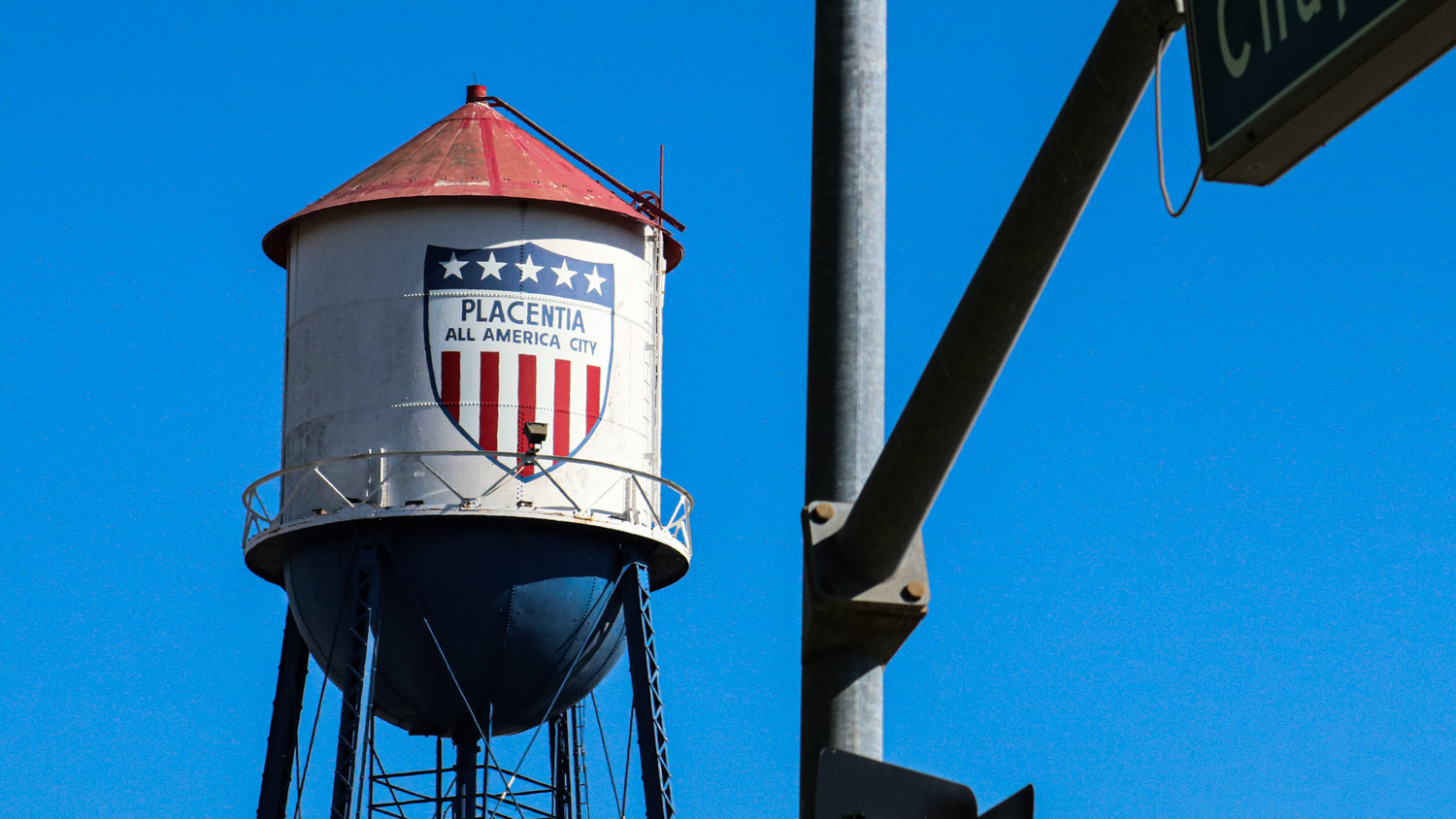
Placentia voters will decide whether to increase the city’s hotel bed tax in the November General Election – joining throngs of other Orange County voters deciding on tax increases in their cities this fall.
The hotel tax, known as the Transient Occupancy Tax, would increase from 10% to 14% if approved by voters. It would generate an estimated $715,000 in additional annual revenue for the 2026-27 fiscal year, according to the staff report.
The tax is imposed on visitors who stay in hotels, short-term rentals or similar lodging establishments in the city for 30 consecutive days or less, according to the staff report. Based on the city’s estimated nightly lodging rate of $145, visitors would pay an extra $5.80 per night.
Rosanna Ramirez, the deputy city manager and acting city manager at the June 16 meeting, emphasized visitors would be paying the tax, not residents.
“It’s our visitors that would be paying, and we would be using these funds to go ahead and supplement our services, such as police and fire, roads infrastructure, our parks and public spaces,” Ramirez said during the meeting.
The current 10% hotel tax rate has remained the same since 1985.
According to the staff report, increasing the rate would align the city with neighboring cities, such as Anaheim, which has a 15% hotel tax rate. Similar hotel tax rates are imposed in over 95% of cities throughout California.
Laguna Beach has also been considering raising its hotel tax from 12% to 14% to bring in an estimated $3 million annually.
[Read: Laguna Beach Looking at Business and Hotel Tax Increases]
During the meeting, Placentia City Clerk Robert McKinnell said increasing the hotel tax rate has been in discussion since 2016.
According to the staff report, the additional revenue could be used to address future community needs, support the city’s long-term fiscal stability, police and fire services, 911 response, road repairs, parks and recreational amenities and community programs.
Adjusting the hotel tax rate is also appropriate due to the increasing operational costs, inflationary pressures, demand for municipal services and growth of short-term rentals beyond traditional hotels and motels, according to the staff report.
The potential revenue created would help offset increased demands of city infrastructure, public safety and other public services generated by visitors and hotel occupants, according to the staff report.
“This increase would also ensure that out-of-town visitors pay their fair share of the local services they use when in Placentia,” the staff report reads.
City Attorney Christian Bettenhausen added that the Citizen’s Oversight Committee will also be overseeing the funds during the meeting.
The oversight committee was part of the sales tax increase ballot measure that Placentia voters adopted in 2018.
Former Mayor Craig Green stressed the importance of the city council allowing voters the right to decide whether to increase the hotel tax during public comments.
“If you put this on the ballot, let the people make the decision whether they want that to happen,” Green said.
If approved, the city will conduct community outreach with the lodging industry, the employee groups, the council and other community stakeholders to receive feedback, according to Ramirez.
Updates from surveys and community engagement meetings will be posted on the city’s website.
The hotel tax measure will be presented to voters on the Nov. 3, 2026 general municipal election, costing the city $8,500 to place it on the ballot. If approved by voters, the tax increase will become effective on Jan. 1, 2027.
During the meeting, Mayor Chad Wanke said the council is giving voters the decision to increase the hotel tax.
“We’re actually doing what we are supposed to do, and we’re giving the public the right to decide whether they want to pass the tax,” Wanke said. “If we don’t put this on, we’re not giving the public the ability to decide, we’re actually keeping them from deciding whether they want to pass this tax.”
The City Council also approved a 3% increase to the annual special tax rate for Community Facilities District 2018-01, effective on July 1, 2026. The increase applies to property owners at The Herald Apartments at 150 E. Crowther Ave., and The JPI Luxury Apartment at 505 W. Crowther Ave.
The increase will generate $102,038.58 in revenue for the 2026-27 Community Facilities District 2018-01 Fund to provide the district with revenue to sustain ongoing maintenance and repairs.
Under the Mello-Roos Community Facilities Act of 1982, community facility districts are able to fund public improvements within the district that have a useful life span of five years or more, according to the staff report.
Within Community Facilities District 2024-01, property owners will see a 3.01% annual special tax rate increase on July 1, 2026, generating $2,879 in revenue to fund future reconstruction of the public infrastructure in Old Town Placentia, according to the staff report.
According to the staff report, there will also be a 5% increase to annual special taxes and the annexation of four parcels within Community Facilities District 2014-01, starting July 1, 2026.
The assessment of a total of 471 parcels will generate $316,992.47 in revenue to fund the cost of public safety services in the area, said Director of Public Works Chris Tano.
“Annexing these into [the] district helps pay for additional services or maintenance within that district and citywide.”
Related