
TO ANOTHER LAWSUIT. THE CALIFORNIA DEPARTMENT OF SOCIAL SERVICES WARNED A SACRAMENTO COUNTY IT WOULD GET FINED IF IT PLACED ANY NEW CHILDREN INSIDE THIS BUILDING. THE WARNING THORNTON YOUTH CENTER. BUT KCRA THREE INVESTIGATES HAS LEARNED THAT THE STATE HAS FINED THE COUNTY FOR DIRECTLY VIOLATING THAT ORDER. AND THE STATE SLAPPED THE COUNTY WITH $3,600 IN FINES FOR PLACING TWO NEW TEENS INSIDE THE FORMER DETENTION CENTER. TWO WEEKS AFTER THE WARNING, THE STATE TOLD THE COUNTY IT WOULD HAVE TO PAY FINES OF $200 FOR EACH CHILD FOR EVERY DAY IN VIOLATION. YEAH, IT’S A CONCERN. HOW LONG THIS HAS BEEN HAPPENING IN SACRAMENTO COUNTY ATTORNEY BRIAN BLAYLOCK IS WITH THE YOUTH LAW CENTER IN OAKLAND. HE SAYS THE NATIONAL CIVIL RIGHTS LAW FIRM HAD NO CHOICE AND FINALLY HAD TO RESORT TO SUING SACRAMENTO COUNTY. FIRST AND FOREMOST, IT CALLS US FOR COMPLETE STOPPING OF PLACING CHILDREN IN UNLICENSED PLACEMENTS SO THAT WE CAN STOP THAT PROCESS GOING FORWARD. THE WET CENTER HAS BEEN PLAGUED WITH PROBLEMS SINCE LAST SUMMER. OUR INVESTIGATION UNCOVERED UNDERAGE DRINKING, ILLEGAL DRUG USE AND SEX TRAFFICKING. YOUTH LIVED IN CELLS, SLEPT ON METAL FRAME BEDS WITH THIN PLASTIC MATTRESSES NEXT TO METAL TOILETS COVERED UP WITH WOODEN BOXES. BLAYLOCK SAYS THEY’VE REACHED A SETTLEMENT WITH THE COUNTY, WHICH, IF APPROVED BY A JUDGE, WILL PUT THE COUNTY ON NOTICE FOR FIVE YEARS. THE COUNTY WOULD ALSO HAVE TO PROVIDE THERAPY FOR ANY CHILD WHO LIVED IN THAT FACILITY FOR MORE THAN SEVEN DAYS. TO BE SURE THAT THE SACRAMENTO COUNTY DOES STOPS USING UNLICENSED PLACEMENTS AND CONTINUES A LOT OF THE GREAT PRACTICES THAT THEY’VE STARTED IN THE LAST FEW MONTHS AROUND THESE THERAPEUTIC BEHAVIORAL SERVICES AND FAMILY ENGAGEMENT AND CHILD AND FAMILY TEAMS AND REALLY PUTTING YOUTH AT THE AT THE CENTER OF OF THIS ENTIRE PROCESS. THE COUNTY SAYS IT HAS SECURED THREE WELCOMING CENTERS FOR SIX CHILDREN SO FAR, THREE HOMES AND RESIDENTIAL NEIGHBORHOODS WHERE THE YOUTH WILL STAY. WHILE THE DEPARTMENT SEARCHES FOR SUITABLE HOMES AND THERAPY PROGRAMS. THIS IS THE TURNING POINT WHERE THEY CAN TURN THE CORNER, PUT THIS PRACTICE OF PLACING CHILDREN IN UNLICENSED PLACEMENTS BEHIND THEM FOR GOOD, AND REALLY START BUILDING OUT THE COMMUNITY BASED SYSTEM THAT YOUNG PEOPLE NEED IN SACRAMENTO COUNTY. AND WE’VE DISCOVERED ANOTHER DEVELOPMENT. WE’VE LEARNED THAT THE COUNTY’S APPLICATIONS FOR LICENSING THOSE THREE HOMES ARE STILL INCOMPLETE, BUT THE COUNTY STILL DOES NOT HAVE A RESOLUTION FROM THE BOARD OF SUPERVISORS TO APPLY FOR A LICENSE. THIS IS ON TOP OF CLERICAL ERRORS THAT THEY HAD IN THEIR APPLICATIONS. SO WHAT HAPPENS NOW THAT THE NEW HOMES AREN’T YET LICENSED? OKAY, SO DSS SAYS THEY ARE WORKING WITH THE COUNTY TO GET THAT APPLICATION COMPLETED AND THEN WE’RE SUPPOSED TO GET AN UPDATE FROM THE STATE ON MONDAY. BUT I IMAGINE IT WILL TAKE SOME TIME TO GET THESE NE
The Sacramento County Civil Grand Jury has released a follow-up report looking at the county’s response to its foster youth. While the grand jury found that Child Protective Services had made great strides, it says more needs to be done.Previous coverage in the video player aboveThat initial report, from the 2023-2024 Grand Jury, came in the wake of a series of KCRA 3 Investigations that found that the Sacramento County Department of Child, Adult and Family Services was placing at-risk foster youth in a series of buildings never designed for foster kids. Initially, the department had been housing them in an office building, never built for habitation, and flagged by the fire department as unsuitable.What followed was a move that took the kids from an office building to a former juvenile detention center: the Warren E. Thornton, or WET Center. The facility, still with stainless steel toilets and sinks in lockable cells, was the focus of multiple calls from both the Fire Department and the sheriff’s office. Eventually, under political pressure, the county found “welcome centers” where they could house the children.Those centers, too, faced scrutiny as there were some that were still awaiting license approval and needed better training.| VIDEO BELOW | Lawmakers tour former detention facility housing foster care youth after KCRA 3 investigationTuesday’s grand jury report praises the county’s Child and Protective Services for making great strides. The new report says that the children in the county are no longer “invisible.” They add that many of the recommendations given by the grand jury were implemented. That included strides in finding family members who were qualified to take in foster youth, as well as better training in welcome centers.The grand jury, however, still has serious concerns about child trafficking for sex work. The report even references the KCRA documentary “Escaping the Blade.” The documentary was a yearlong investigation about the problems that survivors, advocates, lawmakers and law enforcement see on the streets.Referencing that documentary, the grand jury says that the county needs to find better placement outside areas, or “blades”, where sex trafficking is high. They also point out that the Board of Supervisors should instruct the Department of Child, Adult and Family Services to share data regarding youth exploitation and implement policies limiting access to smartphones and technology for those at-risk youth.The report also expresses deep concerns about county and state budget cuts that will affect the strides that the county has made.The Board of Supervisors and County Agencies have 90 days to respond to the grand jury report.See more coverage of top California stories here | Download our app | Subscribe to our morning newsletter | Find us on YouTube here and subscribe to our channel | Make KCRA a preferred news source in Google
SACRAMENTO, Calif. —
The Sacramento County Civil Grand Jury has released a follow-up report looking at the county’s response to its foster youth. While the grand jury found that Child Protective Services had made great strides, it says more needs to be done.
Previous coverage in the video player above
That initial report, from the 2023-2024 Grand Jury, came in the wake of a series of KCRA 3 Investigations that found that the Sacramento County Department of Child, Adult and Family Services was placing at-risk foster youth in a series of buildings never designed for foster kids. Initially, the department had been housing them in an office building, never built for habitation, and flagged by the fire department as unsuitable.
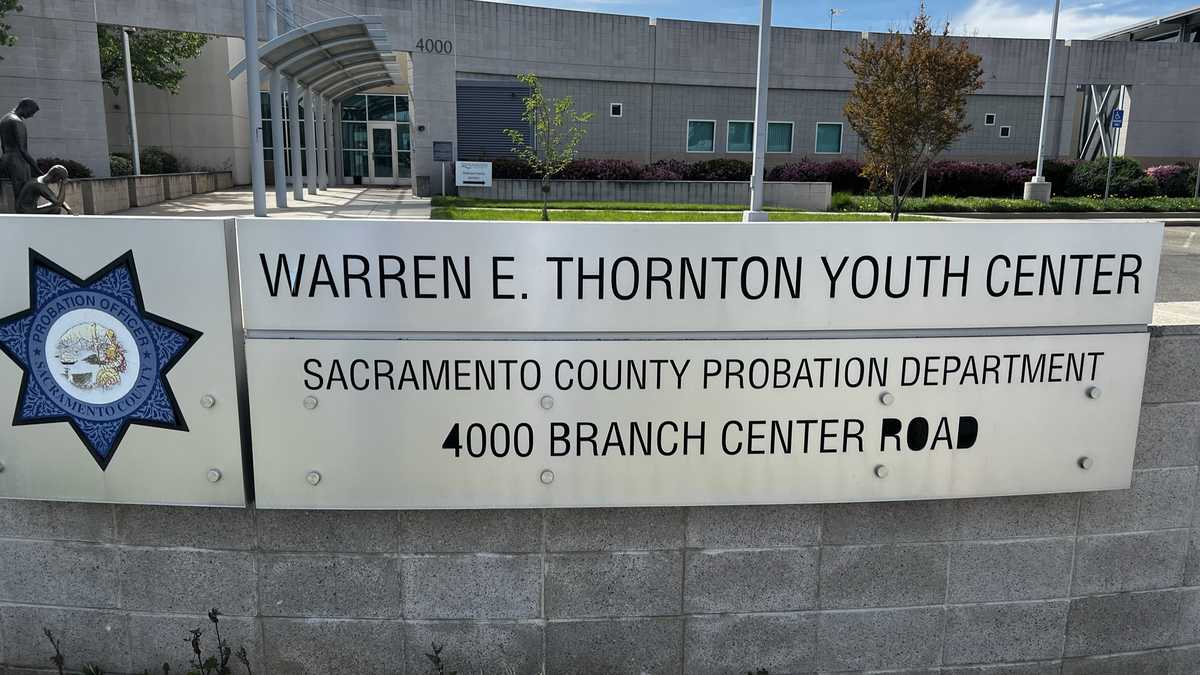
What followed was a move that took the kids from an office building to a former juvenile detention center: the Warren E. Thornton, or WET Center. The facility, still with stainless steel toilets and sinks in lockable cells, was the focus of multiple calls from both the Fire Department and the sheriff’s office. Eventually, under political pressure, the county found “welcome centers” where they could house the children.
Those centers, too, faced scrutiny as there were some that were still awaiting license approval and needed better training.
| VIDEO BELOW | Lawmakers tour former detention facility housing foster care youth after KCRA 3 investigation
Tuesday’s grand jury report praises the county’s Child and Protective Services for making great strides. The new report says that the children in the county are no longer “invisible.” They add that many of the recommendations given by the grand jury were implemented. That included strides in finding family members who were qualified to take in foster youth, as well as better training in welcome centers.
The grand jury, however, still has serious concerns about child trafficking for sex work. The report even references the KCRA documentary “Escaping the Blade.” The documentary was a yearlong investigation about the problems that survivors, advocates, lawmakers and law enforcement see on the streets.
Referencing that documentary, the grand jury says that the county needs to find better placement outside areas, or “blades”, where sex trafficking is high. They also point out that the Board of Supervisors should instruct the Department of Child, Adult and Family Services to share data regarding youth exploitation and implement policies limiting access to smartphones and technology for those at-risk youth.
The report also expresses deep concerns about county and state budget cuts that will affect the strides that the county has made.
The Board of Supervisors and County Agencies have 90 days to respond to the grand jury report.
See more coverage of top California stories here | Download our app | Subscribe to our morning newsletter | Find us on YouTube here and subscribe to our channel | Make KCRA a preferred news source in Google