
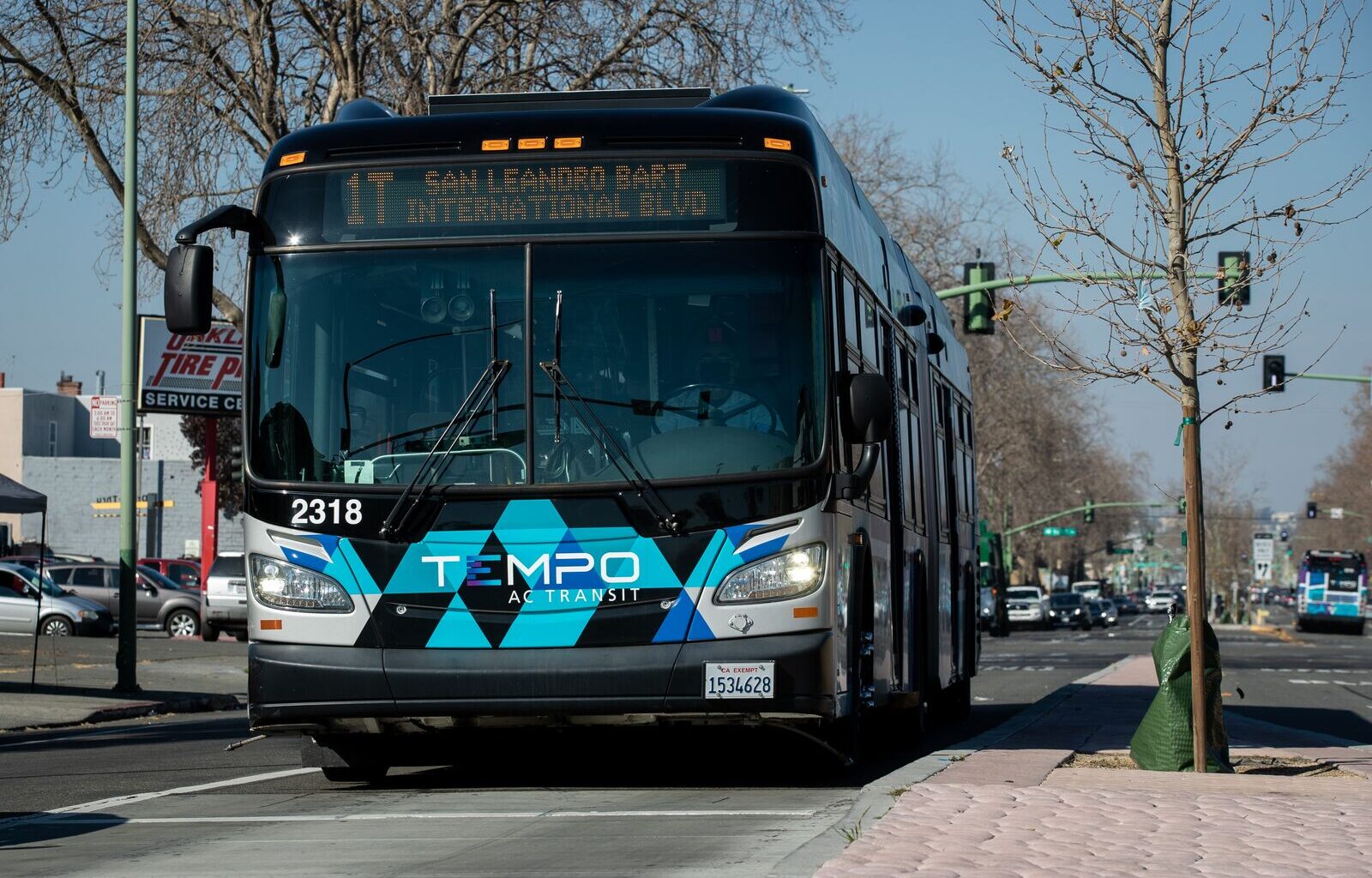
Last year, the AC Transit board of directors approved fare increases for the first time in years, to take effect over two summers. This Wednesday, July 1, the second of those fare hikes takes effect, raising the cash fare for local single rides to $3, up from $2.75.
The fare when paying with a Clipper card or any contactless payment will be $2.75, up from $2.50. Youth and Seniors remain eligible for fare discounts.
The first increase, which took effect last July, raised the cash price of local single rides from $2.50 to $2.75 and Clipper card fares from $2.25 to $2.50. It was the first time fares had gone up since 2019. Transbay fares rose by 50 cents, from $6 to $6.50.
The prices of local day, weekly, and monthly passes will also increase, as shown in the table below.
AC Transit, like BART and other Bay Area transit agencies, recently upgraded its entry system to Clipper 2.0, which also allows people to tap credit or debit cards at fare terminals. That system upgrade has had its hiccups, with some people unable to access their Clipper funds or accounts. An update on that situation was provided by the Clipper card distributor, Cubic, last month, when the company said it’s still migrating rider accounts.
According to AC Transit communications director Robert Lyles, the fare adjustment will take effect “when service begins that day,” meaning the morning of July 1 — not at midnight the night before.
The rise in fares comes at a time when AC Transit has said the cost of running the agency for its 3 million monthly customers has “skyrocketed.”
In a press release earlier this month, the agency updated the public on its latest financial outlook, saying it had “a projected $200 million deficit over the next four years.” The transit agency is backing a November sales tax measure to support mass transit in the Bay Area, saying it has the potential to provide a consistent source of funding that could help AC Transit avoid serious service reductions.
At the same time as the agency is raising prices, it has also launched a marketing campaign about fare payments. The agency has added a “Fare Required” message in multiple languages on 500 vehicles to remind people to pay their fare. “When fares go unpaid, those dollars are lost and must be made up elsewhere through budget reductions, reserve funds, or additional funding sources,” the agency said.
“*” indicates required fields