
In 2020, Scripps Institution of Oceanography’s Sea Grant launched a fishing apprenticeship, aimed at shoring up the ranks of San Diego’s declining commercial fishing fleet.
Instead, the program revealed just how tenuous the industry has become.
Once known as the tuna capital of the world and employing more than 40,000 people, the fleet dwindled to just 130 commercial fishermen.
It’s hard to get a foothold in the industry. Gear and permits are expensive. It requires specialized skills that range from pulling traps and lines, to fixing diesel motors and deciphering regulations.
The Scripps fishing apprenticeship intended to bridge that gap, with classroom instruction on the technical aspects of commercial fishing, and 1,000 hours of on-the-water training. But just half a dozen people finished and stuck with fishing. Others tried and liked it, but couldn’t make a living.
Despite the obstacles, some people made the mid-career switch from working at desks, to working on fishing decks, trading white-collar positions for jobs that require them to rise before dawn, scrape barnacles and gut fish. They say they wouldn’t go back.
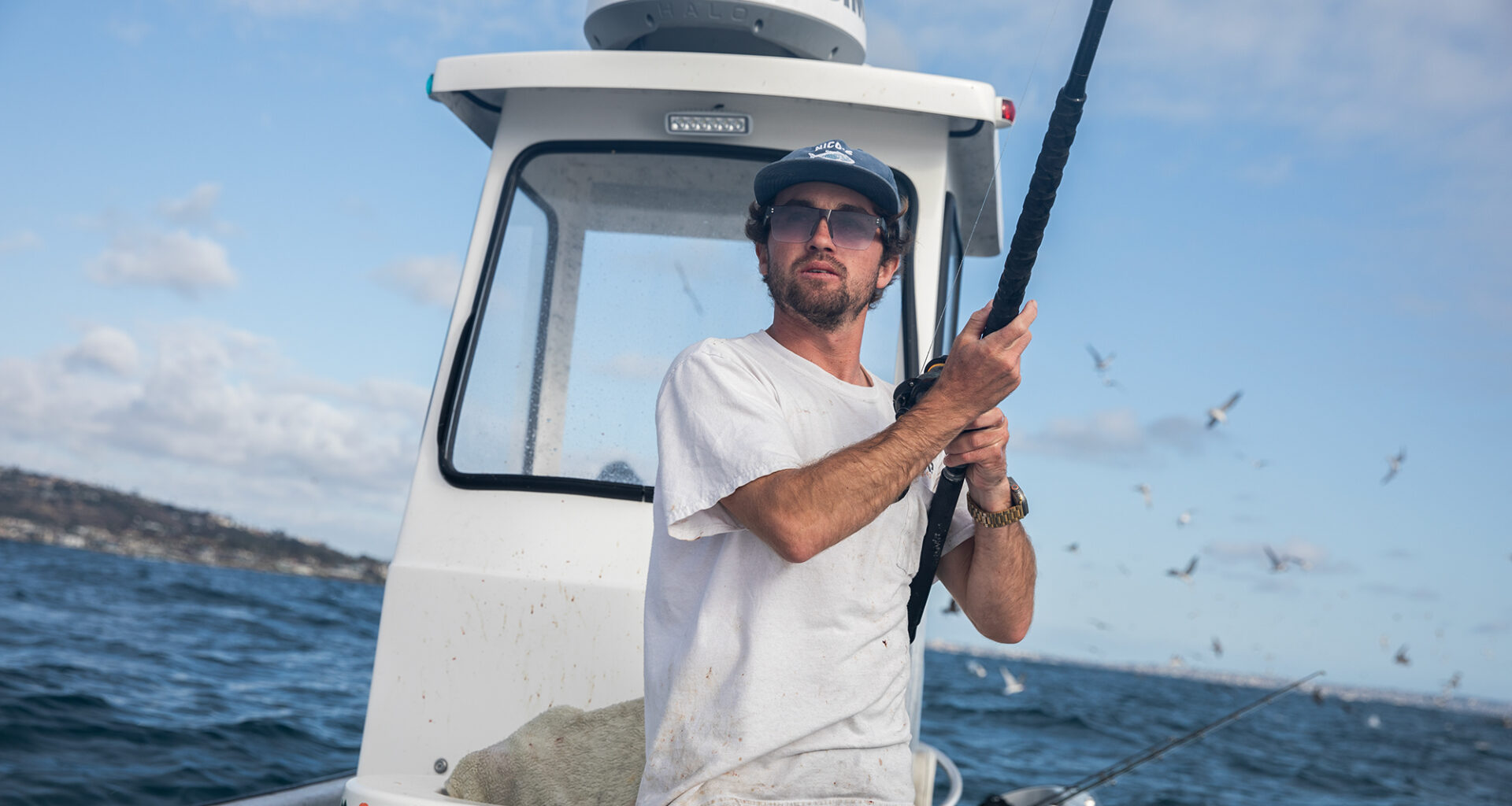
CalMatters followed fishing apprentices, captains, mentors and others, for our story. Over several months we interviewed fishermen, watched them sell their fish at Tuna Harbor Dockside Market and deliver fish to restaurants. Photographer Adriana Heldiz spent a day at sea with fisherman Shane Volberding as he hauled in yellowtail, mackerel and other fish from the sea off La Jolla.
Our reporting shows the chokepoints that obstruct local operations: Inconsistent pay; complex regulations that leave fishermen uncertain whether a fishery they invest in will remain open; competition with imported seafood from less regulated fisheries; and lack of coordination within the fishing community.
But it also reveals the passion that San Diego fishermen bring to their craft, their dedication to supporting the regional food supply and restaurants, and the importance of ensuring that locally caught seafood remains on San Diego tables.