
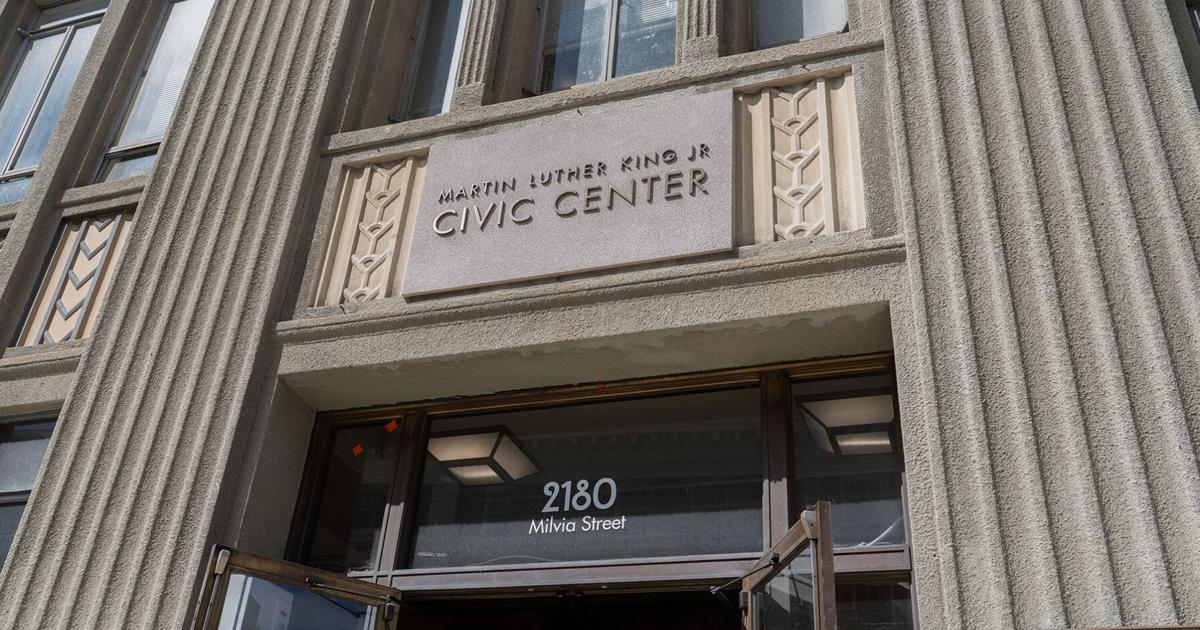
The city of Berkeley’s budget, adopted June 23, made a number of critical cuts to almost every sector of city services while continuing to fund affordable housing projects that have previously faced cuts.
The budget cuts were made to address the $30 million budget deficit the city faced last year. However, with housing being a top issue for many during public comment, the proposed reallocation of affordable housing development funding proved controversial.
After significant deliberation at the City Council, the council unanimously approved the budget proposed by Mayor Adena Ishii. Ishii’s budget allocated $3.8 million toward the Small Sites Program, or SSP, an increase from the $2.5 million it was given before the new budget.
SSP helps fund renovations of multifamily buildings to turn them into permanent, affordable housing, preventing displacement. The program is run through the city’s Housing Trust Fund and is often used by land trusts and cooperative housing groups.
District 1 Councilmember Rashi Kesarwani proposed an amendment to the city budget that would have reallocated the SSP funding toward the development of new affordable housing builds instead of restoration projects.
This became a controversial topic in public comment, with many community members speaking out against Kesarwani’s reallocations.
One such community member was Leah Simon-Weisberg, a resident of District 2, housing attorney and executive director at the California Center for Movement Legal Services. She argues for the importance of the type of community-led affordable housing that can be built with the SSP funding.
“There’s just this deep respect for the tenants, and they feel seen; they get to participate,” Simon-Weisberg said. “It’s not a welfare model (where) somehow the people who are powerful get to make all the decisions … it just really makes a difference if where you live, you feel respect. You feel like you have a say.”
Simon-Weisberg also noted that SSP funding has faced cuts in recent years, such as in June 2025, when the council voted to cut $1.4 million from the program.
She credits part of this year’s success in maintaining the SSP funding to a great effort of community organizing, saying this year “the community came well prepared” to push back against Kesarwani’s proposal.
One organization that advocated for SSP funding was the Bay Area Community Land Trust. It worked with and supported SSP since its founding, according to the organizational director, Matt Gustafson.
Gustafson agreed that the success of maintaining SSP funding is because of community organizing and pushback, adding, “You don’t have affordable housing dollars in this city if you don’t have that coalition of organized housing people.”
Gustafson argued that preservation, production and protection of tenants are all important parts of affordable housing. He said they are advocating for some of the affordable housing funding to go toward small site preservation, and that hundreds of millions of dollars already go toward production.
“There was a tremendous amount of community support for small sites for housing preservation this year in the budget,” Gustafson said. “May the record reflect that the people of Berkeley want small sites and believe housing preservation is an important value for our city.”
Kesarwani and city communications did not respond to requests for comment as of press time. Ishii was unable to provide comment by press time.